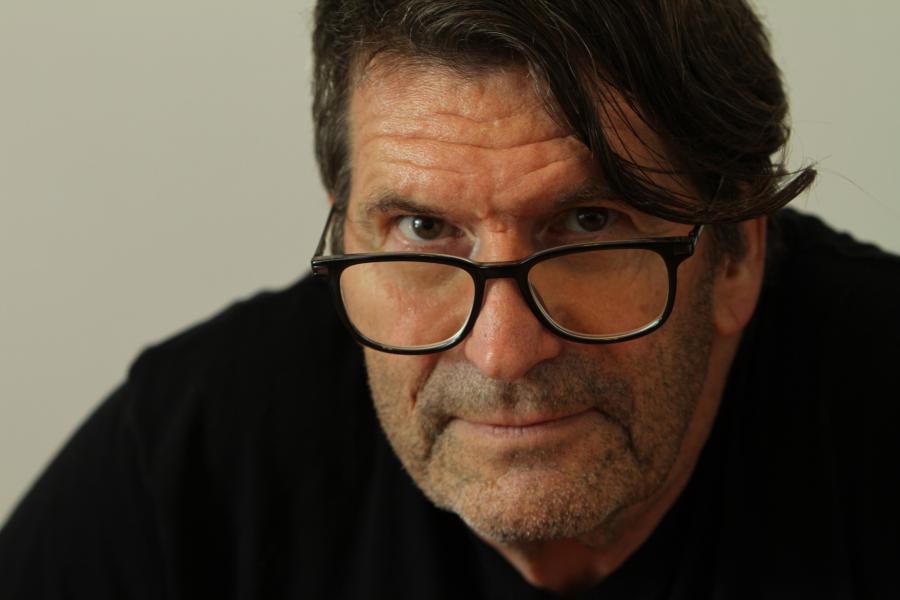
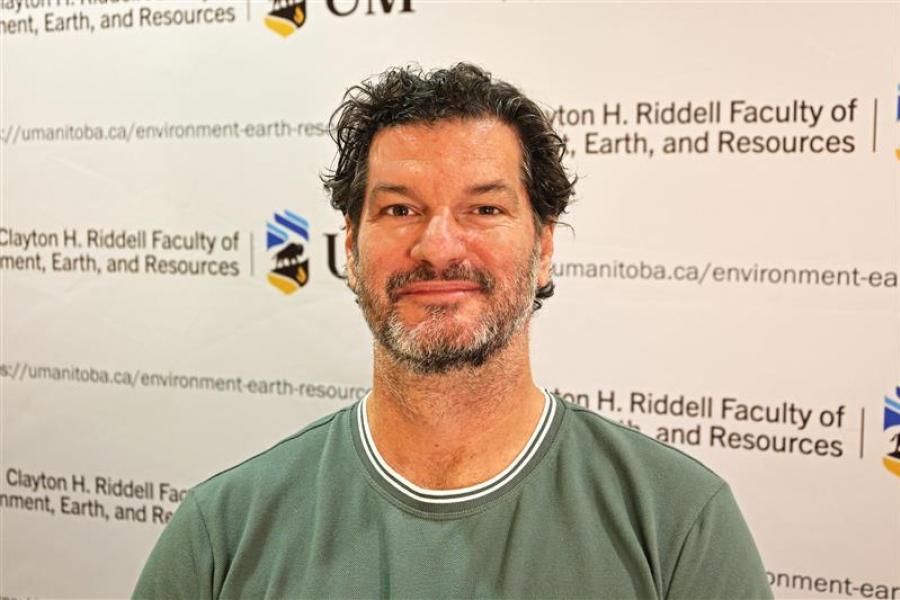
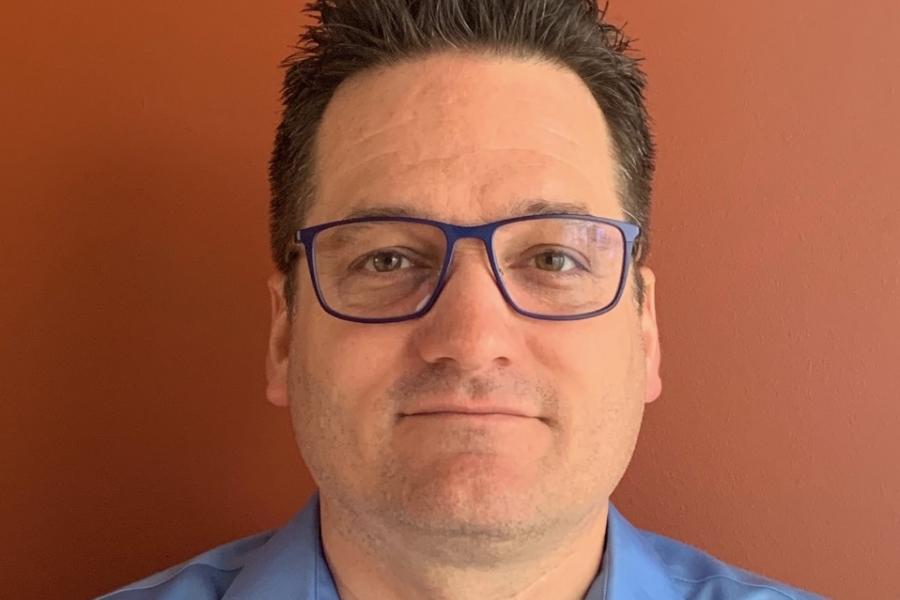
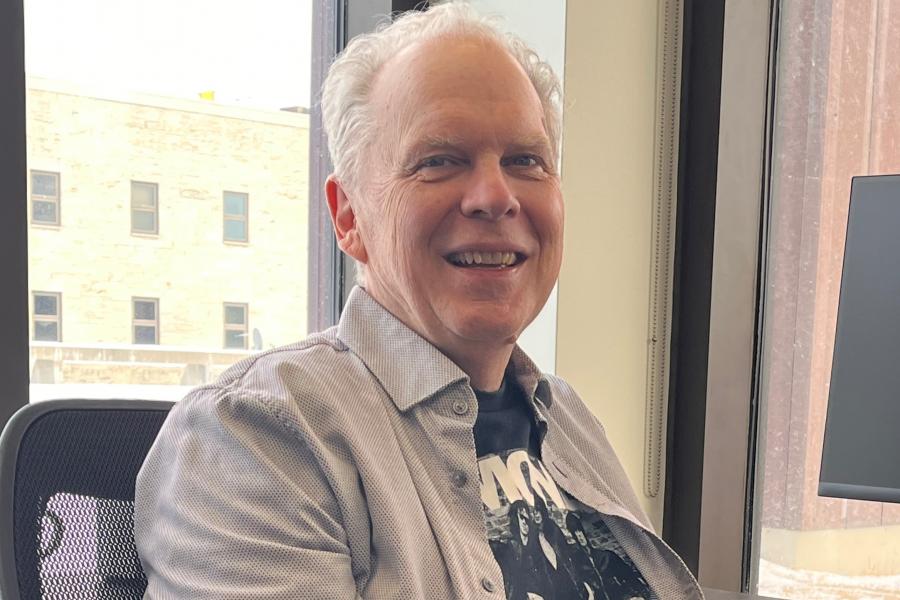
Dr. Ricardo Silva
The Basin, Environment, and straTigraphY — BETY — Lab focuses on the physical, chemical, and biological controls on the production and preservation of organic matter and the role of organic productivity in modulating Earth system processes at geological time scales.
As the group leader, I am especially interested in understanding the complex chain of events, processes, and feedback mechanisms that lead to the so-called oceanic anoxic events (OAEs), meaning brief periods in Earth's history when large parts of the oceans were deoxygenated. OAEs are linked with increased geological storage of organic matter, significant disturbances in several element cycles, as well as climatic and environmental extremes, disruptions to life, and mass extinctions.
I use a broad array of sedimentological, paleontological, palynological, geochemical, and petrophysical tools to study terrestrial and marine depositional systems generally characterized by sediments and sedimentary rocks rich in organic matter. I have expertise in i) sedimentology and stratigraphy, ii) paleontology (ammonite and palyno- biostratigraphy), iii) palynofacies analysis, iv) x-ray photography, diffraction, and fluorescence, including handheld XRF and core scanning Itrax systems, v) isotopic and organic geochemical analysis (EA- TOC and Hg, OM pyrolysis, and EA- and GC-IRMS), vi) SEM and automated mineral analysis (QEMSCAN), vii) petrophysical methods and wireline log analysis, and viii) Petroleum systems modelling. I have worked extensively along the Atlantic Margin (such as the west Portuguese coast, Canary Islands, southwest UK, and offshore Nova Scotia), in the Bay of Fundy (NS), the Betic Cordillera in southern Spain, and the Atlas Mountains of Morocco. I closely collaborate with researchers from Morocco, Brazil, Portugal, Spain, Ireland, the UK, and Canada.
Currently, I am a PI of M-JET – Middle Jurassic Earth System & Timescale and a permanent member of the science team at JET – Early Jurassic Earth System & Timescale. The International Continental Drilling Program funds both groups. I serve as the Chair of the International Continental Scientific Drilling Program-Canada and as a counsellor for the Canadian Sedimentological Research Group and the Atlantic Geoscience Society. I am also a member of the International GeoScience Program (IGCP) Project #739, The Mesozoic-Palaeogene hypothermal events.
The BETY Lab is aligned with the principle that science is better when approached from multiple and varied perspectives and experiences. As the group leader, I am fully committed to interrupting the historical pattern of subservice of underrepresented racial and ethnic groups and people from disadvantaged backgrounds and ensuring that everyone can reach their full potential and have meaningful and rewarding participation in academia, science, and society.