
Arman Yaghoubi
Advisor: Mercedes Garcia Holguera
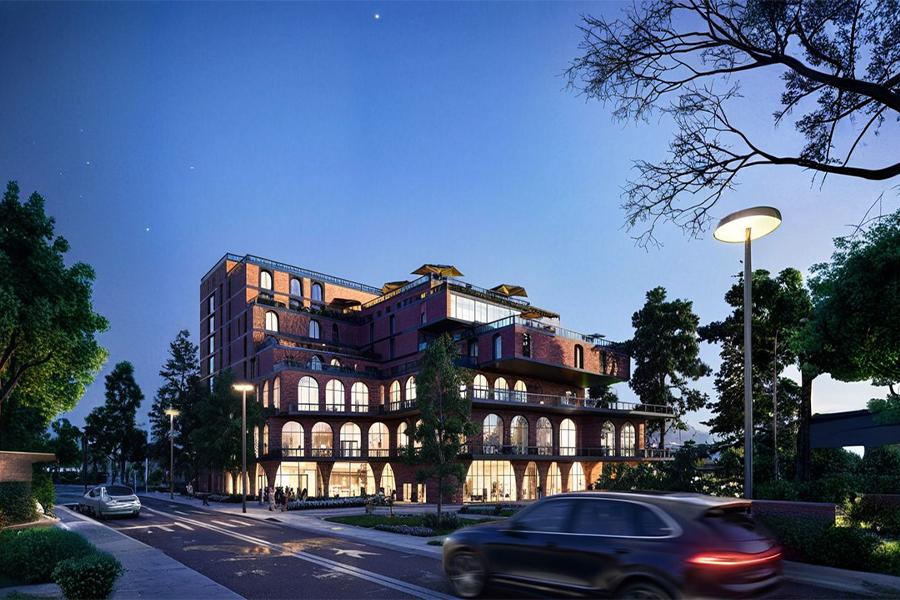
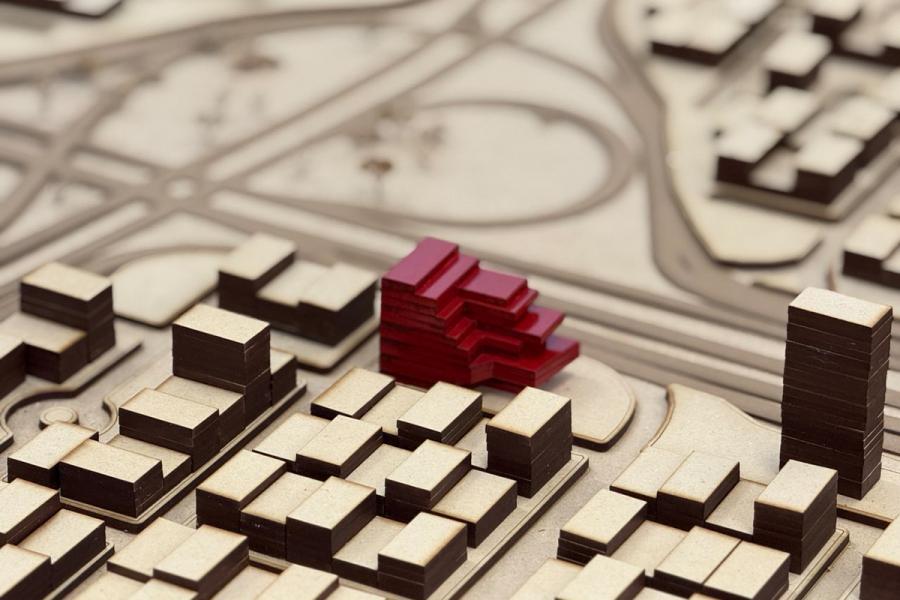
The Role of Biomimicry Architecture in Reducing CO2 Levels in Urban Areas:
A Residential-Commercial Building in Tehran
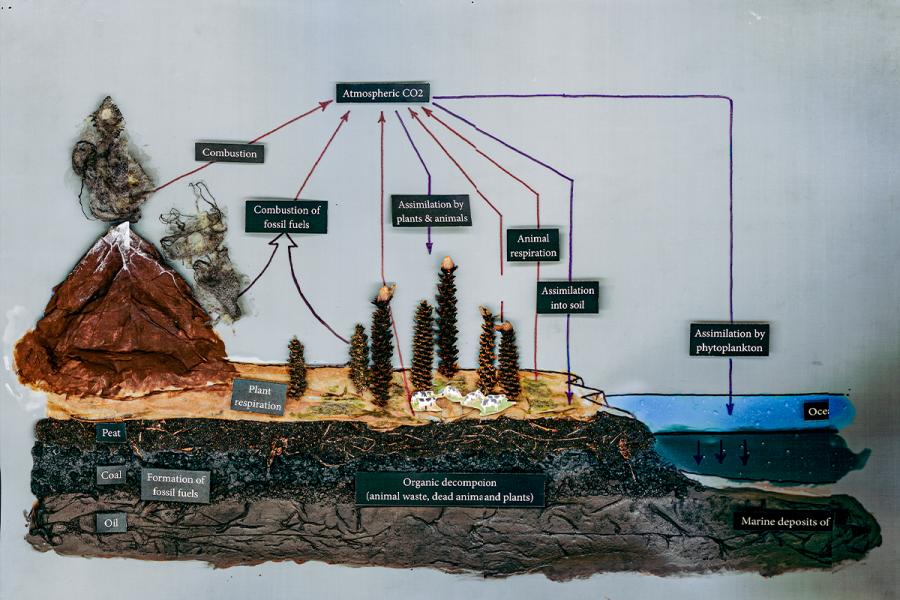
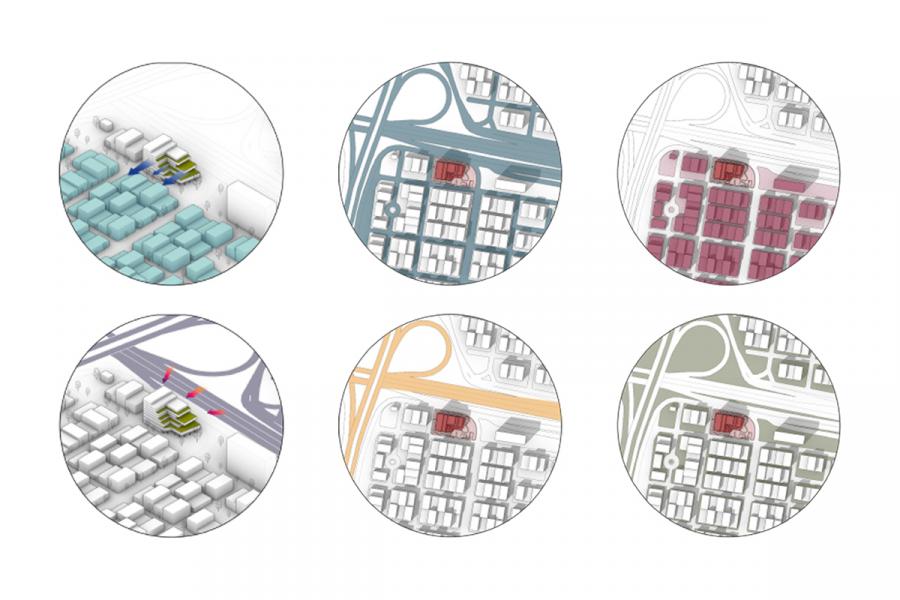
One of the major concerns in the world today is the increase in CO2 lev¬els, which significantly contribute to climate change. Human-made CO2 emissions account for about 76% of global greenhouse gases, primarily from electricity generation, transportation, and fuel combustion. The effects of CO2 rise include extreme weather, sea level rise, food inse¬curity, and growing health risks. Iran, and particularly Tehran, has long faced severe air pollution, intensified by fossil fuel use and poor urban airflow due to its surrounding mountains and unplanned developments such as the Chitgar buildings. Tehran’s pollution levels often exceed an Air Quality Index (AQI) of 250, frequently disrupting everyday life.
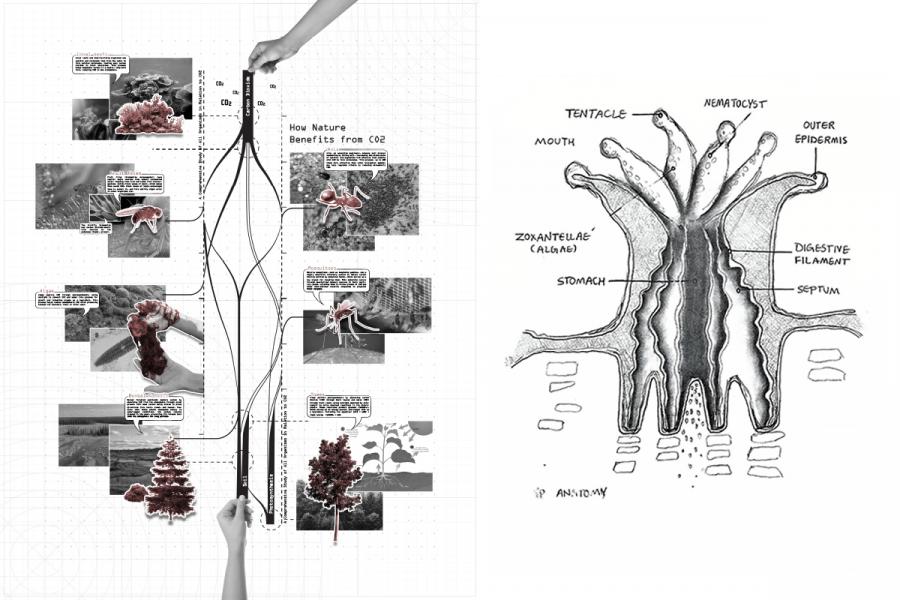
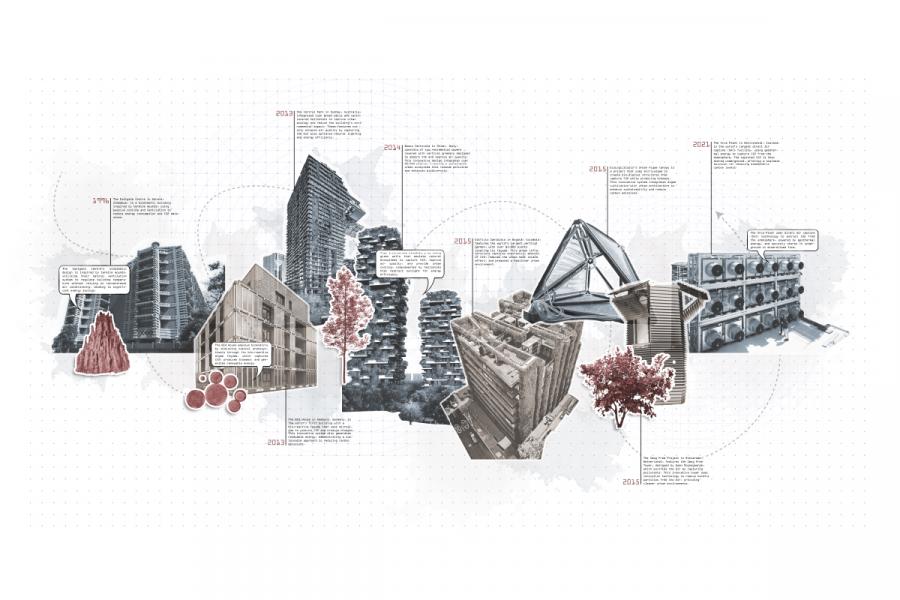
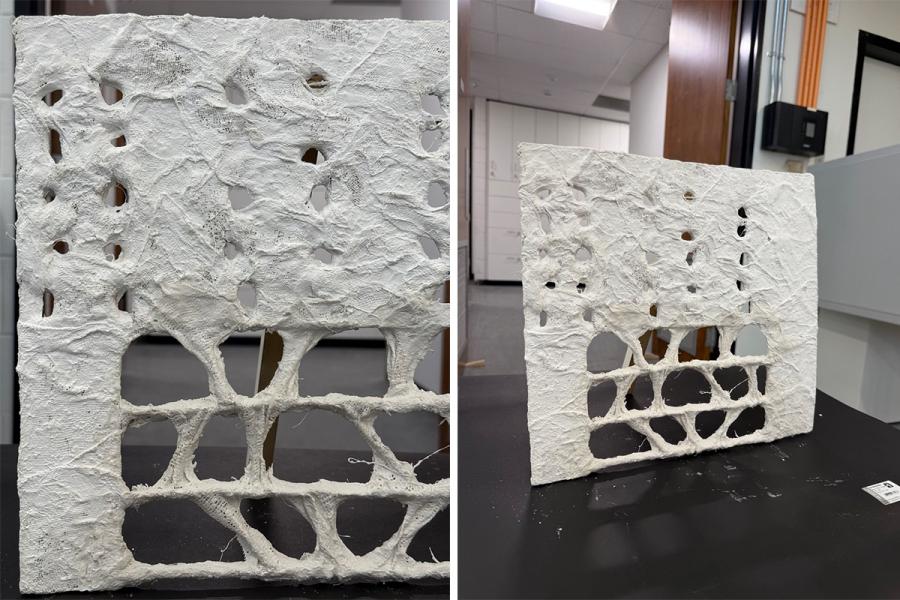
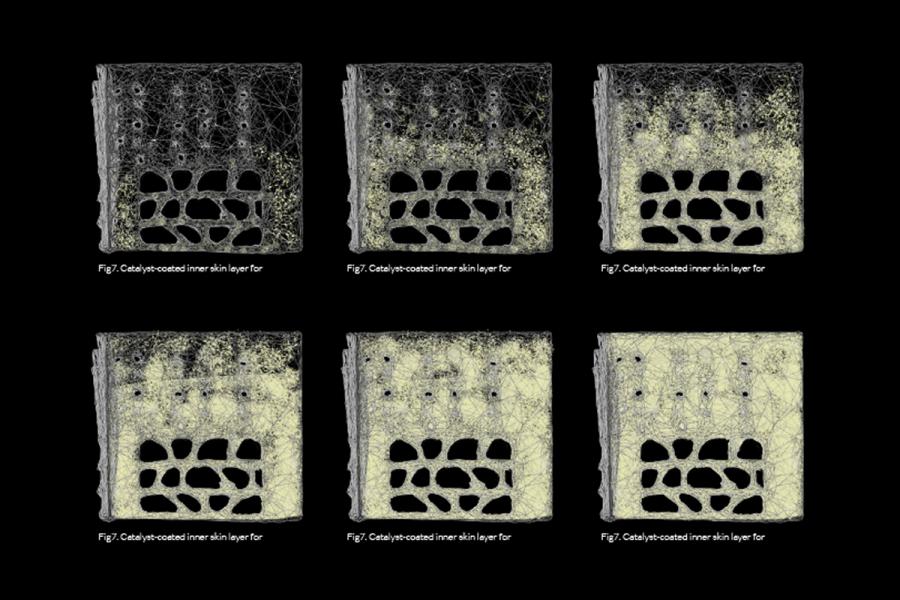
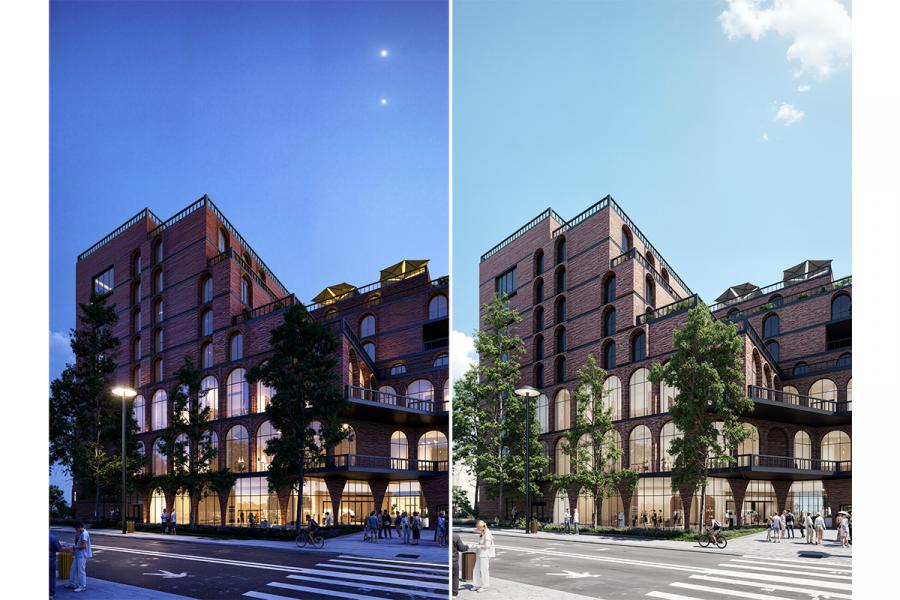
This project proposes an architectural solution to CO2 pollution through a biomimicry-based system inspired by coral reefs. Just as corals capture and transform CO2 into solid calcium carbonate, this de¬sign integrates CO2-absorbing mechanisms into the facade, ceiling, and wall structures of a mixed-use building in Tehran. Using a combination of DAC fans, HEPA filtration, and catalytic reactions, airborne CO2 is captured, dissolved, and mineralized within building layers. Over time, this process enhances both environmental and thermal performance, turning the building into a long-term carbon sink. Designed for Tehran’s polluted urban context, the project explores how architecture can ac¬tively contribute to cleaner air and a more sustainable urban future.