
Waste
Learn how we’re addressing waste — and the GHG emissions produced by waste — at UM.
Waste
Waste we generate and send to landfill results in the third largest source of greenhouse gas emissions addressed in the UM Climate Action Plan.
Organic waste in landfills produces methane, a greenhouse gas that’s 25 times more powerful than carbon dioxide at trapping heat in the atmosphere. We’re striving toward zero waste by reducing the amount of waste generated and diverting as much as possible from the landfill.
ACT
UM’s Climate Action Plan embraces the community’s willingness and desire to work together to see change. To achieve the action goals, everyone has a role to play. Here are some ways you can help us meet our climate action goals for waste.


Baseline
-
2019
In 2019, waste contributed the third highest amount of GHG emissions, after buildings and energy and transportation.

Highlights
In order to increase access to and awareness of options to divert waste from the landfill, the University of Manitoba has hallway waste infrastructure systems which collect landfill waste, organics and co-mingled recycling.
Big moves Pathway actions for waste
In order to reduce UM’s GHG emissions from waste, we’re reducing the amount of waste we create on campus and finding ways to divert as much of it as possible away from the landfill.
Generate less waste
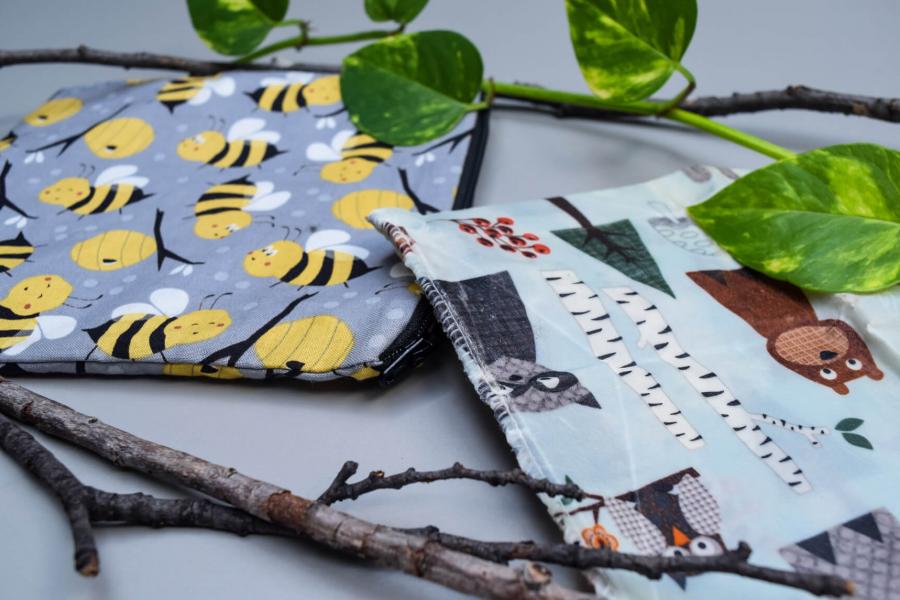
The first step in reducing UM’s GHG emissions from waste generated on campus is reducing the amount of waste being created. Many programs exist on campus to encourage a reduction in waste generated — such as the discount at campus food service locations for bringing a reusable coffee mug.
What we're doing:
- Creating a zero waste plan
Divert waste
We need to keep as much waste as possible away from landfill. One way is the new hallway waste infrastructure program, which makes it easier for our university community to divert recycling and organics from landfill.
What we're doing:
- Continuing upgrades to hallway waste infrastructure, including bins for 9 buildings in 2023
- Expanding the hallway organics program
Reducing waste on campus
There are a number of ways we can help to reduce waste as part of the UM community.

Waste streams
UM's waste is divided into 3 streams: organics, mixed recyclables and garbage. To sort your waste appropriately, consult the backboard of the hallway bins or expand the streams below for an in-depth guide. By using the appropriate disposal methods on campus, we can help reduce contamination in waste streams and ensure campus waste is handled in the most responsible way possible.
Organics (post-consumer)
UM values the positive impacts of composting and is in the process of implementing a multi-phase plan to introduce new organics collection infrastructure in hallways across all buildings at the University. These green bins accept the following materials:
- Any animal and non-animal food scraps including bones, dairy, fruits, vegetables, eggshell, bread, nut shells, cereal, coffee grounds and filters, tea leaves and paper tea bags, parchment paper, paper towel
- Leaves, cut plants, bird feed, ash and charcoal, wood
- Shredded paper, food-soiled paper and cardboard, black and white newspaper
- Compostable packaging, dishware, bags (not biodegradable) including soiled pizza boxes
- Look for the BPI certified logo or compostable plastic (PLA #7) on packaging and products
- Organics sorting guide
Mixed recyclables
Blue bins are located in each building to accommodate mixed recycling. Accepted items are as follows:
- Plastic bottles #1-5 and #7
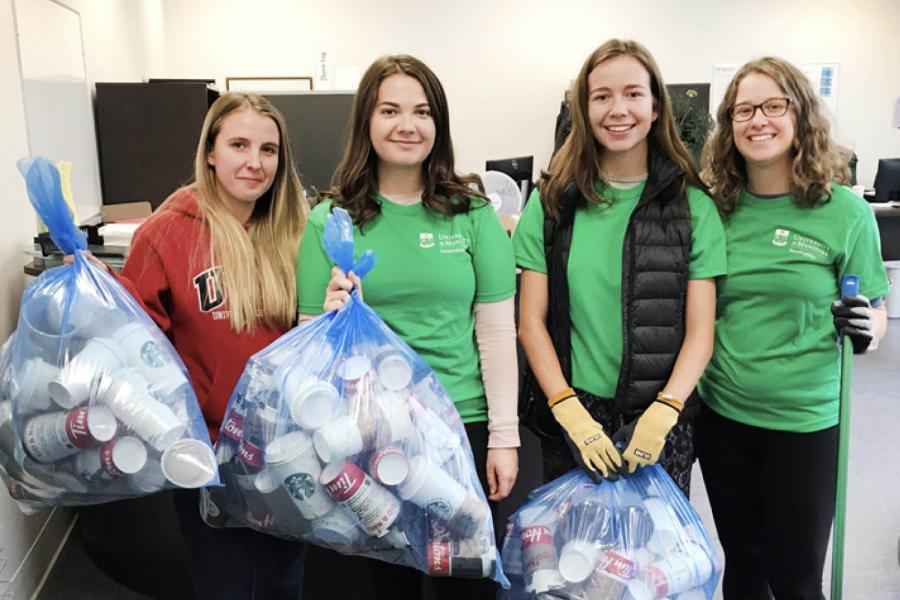
- Single-use coffee and take out cups
- Paper and newspaper
- Glass
- Aluminum cans
- Cardboard products
Helpful hints:
- Ensure all containers and cups are empty – liquids contaminate the contents of the bins
- Coffee and take-out cup lids are NOT recyclable, put in black waste bins
- Break down all cardboard boxes
Garbage
Items not in one of the above-listed categories must be disposed of in a black garbage bin. Common items include candy wrappers, chip bags, plastic utensils, straws, take out lids and tin foil.
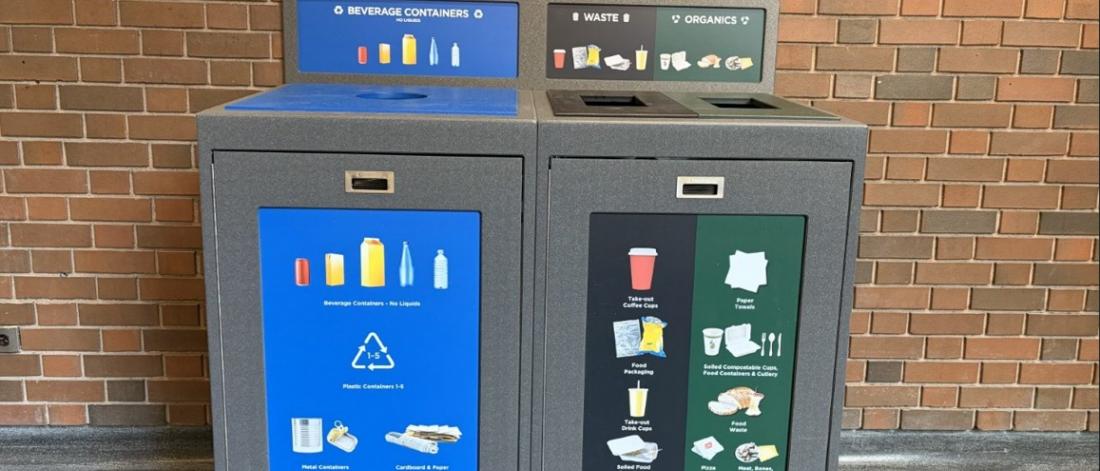
Hallway waste infrastructure located across campuses
You may also be interested in:
Contact us
Office of Sustainability
152 Physical Plant Building
89 Freedman Crescent
University of Manitoba (Fort Garry campus)
Winnipeg MB R3T 2N2