

New directions
In the past year the faculty has launched new initiatives like the Research Steering Committee which are helping guide our pursuit of knowledge across different fields and focus areas.
The University of Manitoba campuses and research spaces are located on original lands of Anishinaabeg, Ininiwak, Anisininewuk, Dakota Oyate, Dene and Inuit, and on the National Homeland of the Red River Métis. More
University of Manitoba
Winnipeg, Manitoba Canada, R3T 2N2

Annual Report 2025-2026
As I reflect on the faculty’s achievements in 2025/2026, I am reminded of Thomas Khun’s assertion that real innovation happens at the intersections of disciplines, ideas and cultures. Through teaching, research and community outreach, the faculty found many innovative and effective ways to build healthy communities through leisure, recreation, physical activity and sport.
As a multidisciplinary academic unit, we understand that healthy communities are impacted by interdependent historical, social, economic and physical forces. I am particularly excited that the faculty initiated a thorough review of our undergraduate curricula in 2025/2026. By design, this curriculum review provides the faculty with an opportunity to really explore the intersections of leisure, recreation, physical and sport from an interdisciplinary perspective. I am confident that focusing on these intersections will lead to an exciting and innovative renewal of our curriculum.
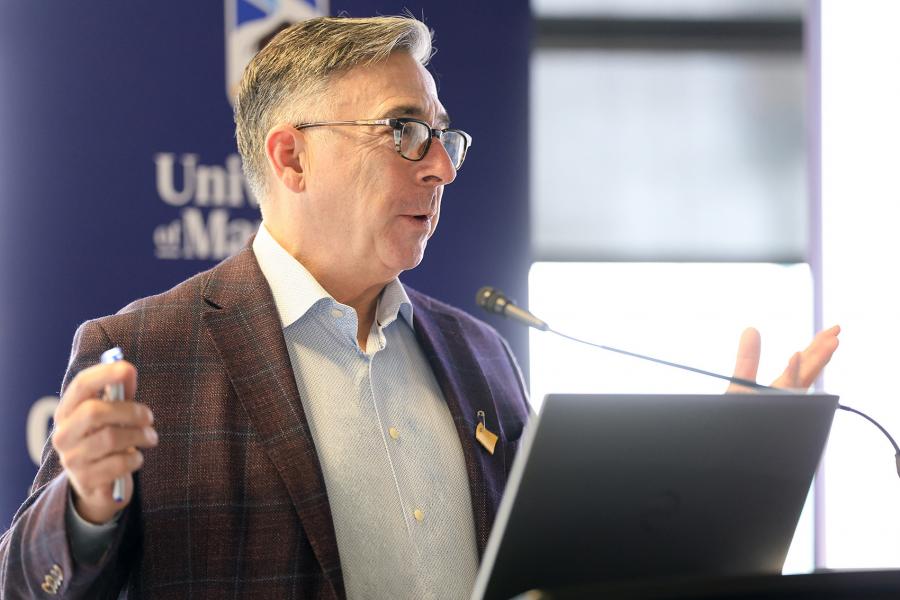
It has been a privilege to lead the Faculty of Kinesiology and Recreation Management for the past 13 years. This faculty’s mission is to research and teach about leisure, recreation, physical activity,and sport. When I contemplate this mission, I realize that we have been entrusted to study and teach how to live healthier, richer and happier lives. This is a real privilege.
Douglas Brown, PhD
Professor and Dean
Students
Student-athletes
Faculty and coaches
Full-time staff
In the past year the faculty has launched new initiatives like the Research Steering Committee which are helping guide our pursuit of knowledge across different fields and focus areas.
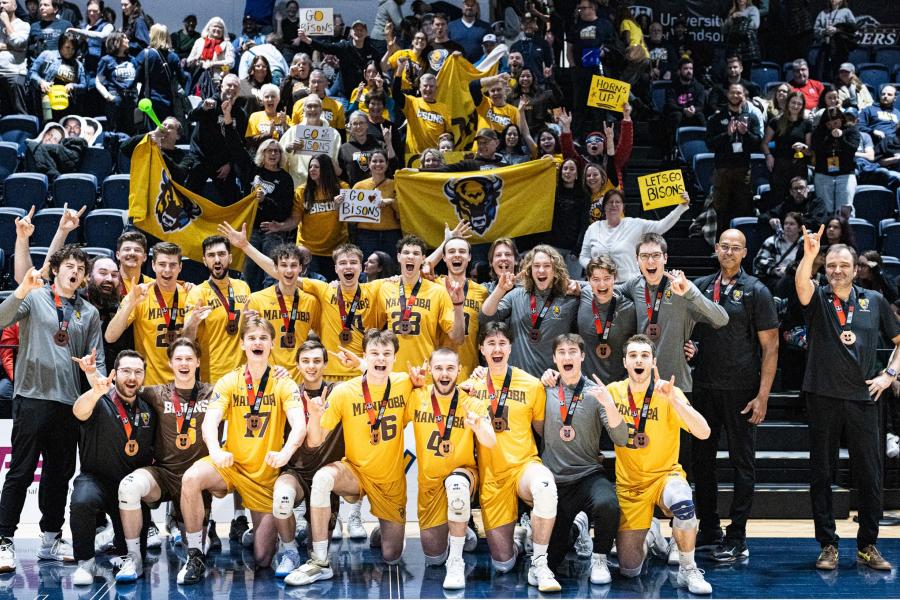
In September 2025, the University of Manitoba unveiled a refreshed Bisons logo, aligning with the university’s core brand identity and continuing to reflect the strength, pride and legacy that generations of student-athletes, coaches and alumni have helped build.
Over the past year, events like Sneaker Day, Research Day, Spirit of the Bison have helped bring different communities together in celebration of our strength and diversity.
Faculty members in FKRM bring a collaborative and integrative approach to their roles. They provide undergraduate and graduate students with rich experiences and opportunities to develop through their own educational journeys, helping to improve communities across the globe.
Category | Total |
Assistant professor | 7 |
Associate professor | 7 |
Professor | 9 |
Senior instructor | 4 |
Instructor II | 4 |
Instructor I | 6 |
Total | 37 |
Guided by principles of Reconciliation and a commitment to equity, diversity, inclusion and accessibility, FKRM's undergraduate programs are driving forward the study and practice of physical activity, sport and leisure.
Degree program | Total registered students | Direct entry students | Advanced entry |
| Bachelor of Kinesiology | 330 | 55 | 275 |
| Bachelor of Kinesiology - Athletic Therapy | 62 | - | 62 |
| Bachelor of Physical Education | 61 | 9 | 52 |
| Bachelor of Recreation and Community Development | 97 | 3 | 94 |
Degree program | Direct entry | Advanced entry |
| Bachelor of Kinesiology | 50 | 60 |
| Bachelor of Kinesiology - Athletic Therapy | - | 24 |
| Bachelor of Physical Education | 8 | 15 |
| Bachelor of Recreation and Community Development | 2 | 28 |
Degree program | Graduates |
| Bachelor of Kinesiology | 77 |
| Bachelor of Kinesiology - Athletic Therapy | 18 |
| Bachelor of Physical Education | 17 |
| Bachelor of Recreation and Community Development | 24 |
FKRM's graduate programs provide students with a diverse range of fundamental, theoretical and applied research experiences across fields health, leisure and human performance to find ways to help our communities live healthier lives.
Degree program | New students | Total students | Graduates |
| Master's of Science | 5 | 22 | 6 |
| Master's of Arts | 4 | 11 | 3 |
| Applied Health Sciences PhD | 4 | 38 | 5 |
FKRM is the proud home of world-leading researchers studying physical activity, human movement, sport and leisure through a variety of lenses. Our research helps improve lives through the pursuit of both physical and mental well-being for individuals and communities.
Category | Amount |
| Funding dollars (other sources) | $1,014,227 |
| Tri-Council grants | $1,889,130 |
| Internal grants | $147,707 |
| Post Doctoral Fellowships | $90,000 |
| Total | $3.14 million |
Category | Number of students | Funding |
| Undergraduate Research Awards | 20 | $140,000 |
| Research Manitoba (Master's) Studentship Award | 2 | $40,000 |
| Research Manitoba (PhD) Studentship Award | 1 | $25,000 |
| Total | 23 | $205,000 |
Bison Sports' mission is to provide high performance competitive programs that foster personal growth and leadership through the pursuit of athletic and academic excellence, and community engagement.
Sports | Roster | Academic All-Canadians | Scholarships and funding | Win/Loss | Head Coach |
| Basketball (M) | 16 | 5 | $67,838.84 | 65 | Kirby Schepp |
| Basketball (W) | 15 | 9 | $96,748.88 | 40 | Michelle Sung |
| Football (M) | 94 (1 female) | 12 | $249,944.98 | 50 | Stan Pierre |
| Golf (M) | 8 | 4 | $19,850.00 | Not applicable | *Devon Schade |
| Hockey (M) | 27 | 14 | $112,842.95 | 42 | Gordon Burnett |
| Hockey (W) | 26 | 9 | $108,199.05 | 48 | Jordyn Collison |
| Soccer (W) | 28 | 10 | $88,228.15 | 29 | Mark Clovin |
| Swimming (M) | 14 | 3 | $12,500.00 | Not applicable | Vlastimil Cerny |
| Swimming (W) | 8 | 5 | $17,000.00 | Not applicable | Vlastimil Cerny |
| Track and Field and cross country (M) | 64 | 28 | $49,450.00 | Not applicable | Claude Berube |
| Track and Field and cross country (W) | 58 | 28 | - | Not applicable | Claude Berube |
| Volleyball (M) | 20 | 7 | $115,577.32 | 70 | Arnd Ludwig |
| Volleyball (W) | 20 | 9 | $131,014.23 | 70 | Ken Bentley |
*Seasonal coach
Mini U has been a trusted provider of children's programs for over 40 years. Their programs offer children and youth the opportunity to discover new passions and develop essential skills, ensuring a memorable and impactful experience that lasts far beyond the summer months.
Category | Number of programs offered | Number of campers | Student staff employed |
| Spring | 15 | 194 | 15 |
| Summer | 350 | 7,557 | 155 |
| Fall | 29 | 661 | 34 |
| Winter | 33 | 537 | 46 |
| Total | 427 | 8,949 | 250 |
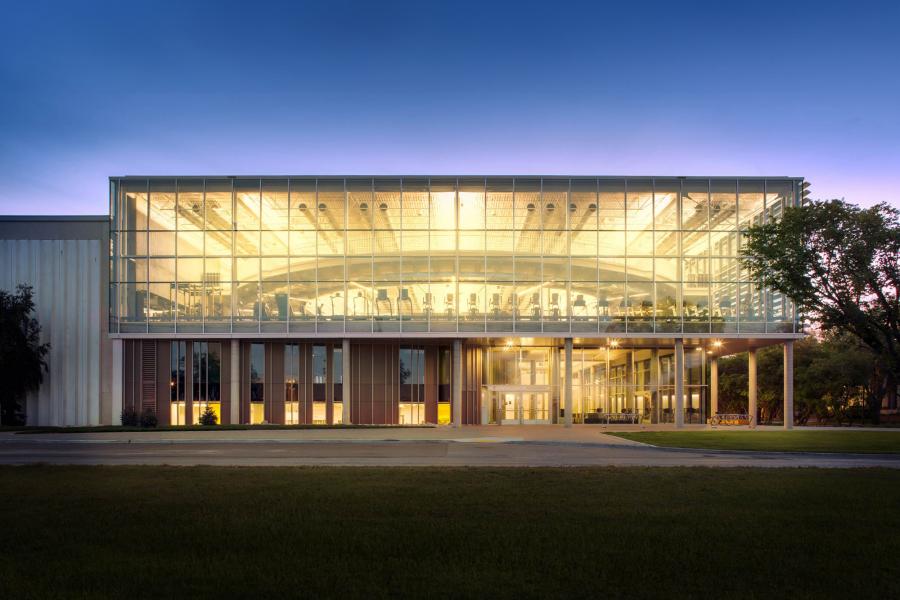
The Faculty of Kinesiology and Recreation Management operates more than one million square feet of indoor and outdoor facilities on UM's Fort Garry Campus. Learn more about what our facilities have to offer.
Project | Completion |
| Squash court renovations | August 2026 |
| FKC dance studio renovation | March 2026 |
| Graduate student lounge, FKC 158 | March 2026 |
| Bisons Sports rebranding of facilities and equipment | March 2026 |
| Motorized curtains in James Daly Fieldhouse and IGAC | February 2026 |
| FKC office renovations | January 2026 |
| FKC 133 and 136 renovations | December 2025 |
| Universal washrooms, Joe Doupe Recreation Centre | November 2025 |
| Fitness equipment replacement | November 2025 |
| Major repairs, University Stadium and James Daly Fieldhouse | September 2025 |
Recreation Services provides membership and recreational programming opportunities for the university community and the general public at both Fort Garry and Bannatyne campuses.
Category | Active memberships |
| Students | 16,965 |
| Staff | 657 |
| Alumni | 700 |
| Community | 577 |
| Total | 18,899 |
In thousands
Category | Budget | Year-end actuals | Varianace |
| Direct revenue | 15,415 | 15,641 | 226 |
Direct expenses Salaries, benefits and pay levy Non-salary expenditures | 16,570 6,475 | 15,760 7,622 | 810 (1,147) |
| Total direct expenses | 21,058 | 21,907 | (337) |
| Fund transfers | 1,734 | 3,131 | (1,397) |

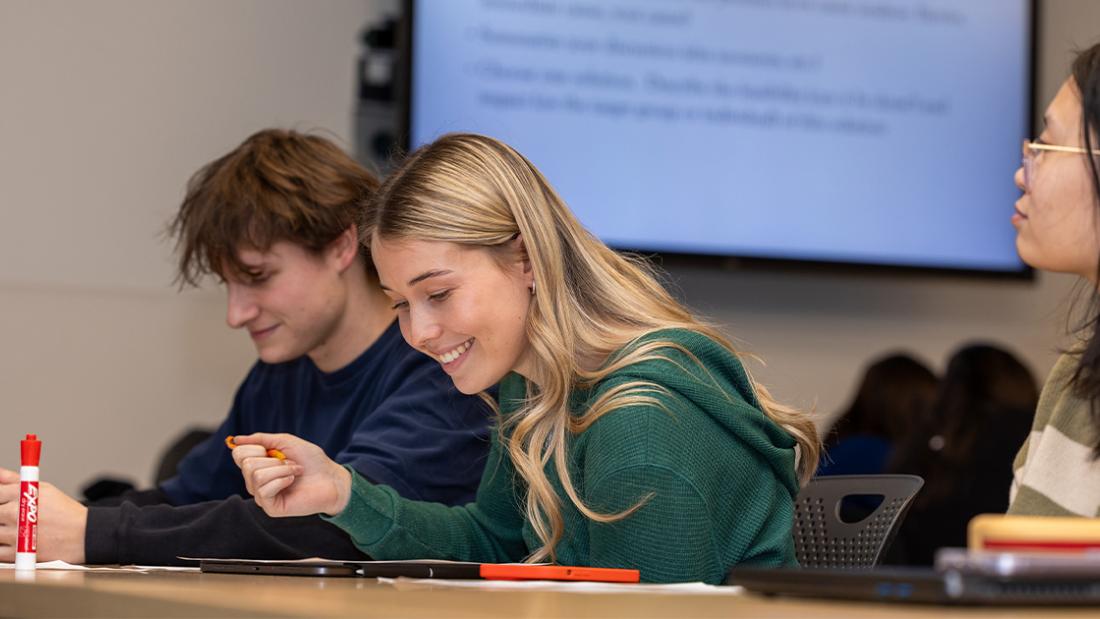
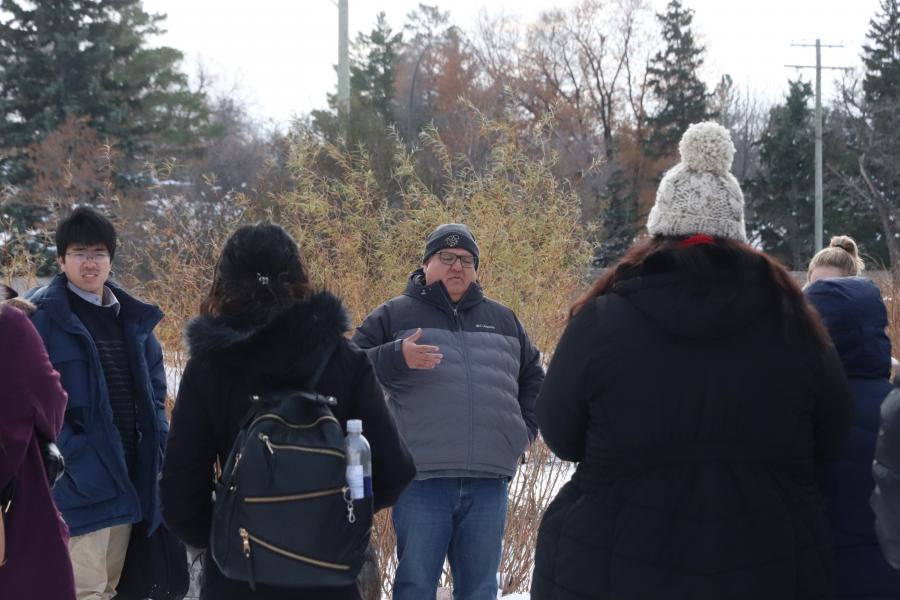
Research Day 2025 turned the spotlight on Indigenous issues during the annual event. Keynote speaker Dr. Janice Forsyth presented her work, which combines history and sociology to explore the relationship between sport and culture from Indigenous perspectives.
She was joined by other presenters including Dr. Jon McGavock from the Children’s Hospital Research Institution of Manitoba, Dr. Moneca Sinclaire of Our Data Indigenous, and Sonny Albert, the Director of Parks and Recreation for Norway House Cree Nation, to discuss the year’s theme of Indigenous health and wellness.
Dr. Cheryl Glazebrook explored the power of dance during her TEDxWinnipeg presentation. Glazebrook's talk explored how dance can transcend age and ability as a joyful, inclusive way to connect and grow. A dancer her whole life, Glazebrook says this talk was her two worlds coming together.
“It’s a connection of the dance part of my life and my profession as a professor,” says the Faculty of Kinesiology and Recreation Management professor. “I’m practicing where I’m going to go, where I’m going to look, what I’m going to say, and so it feels more like getting ready to dance.”
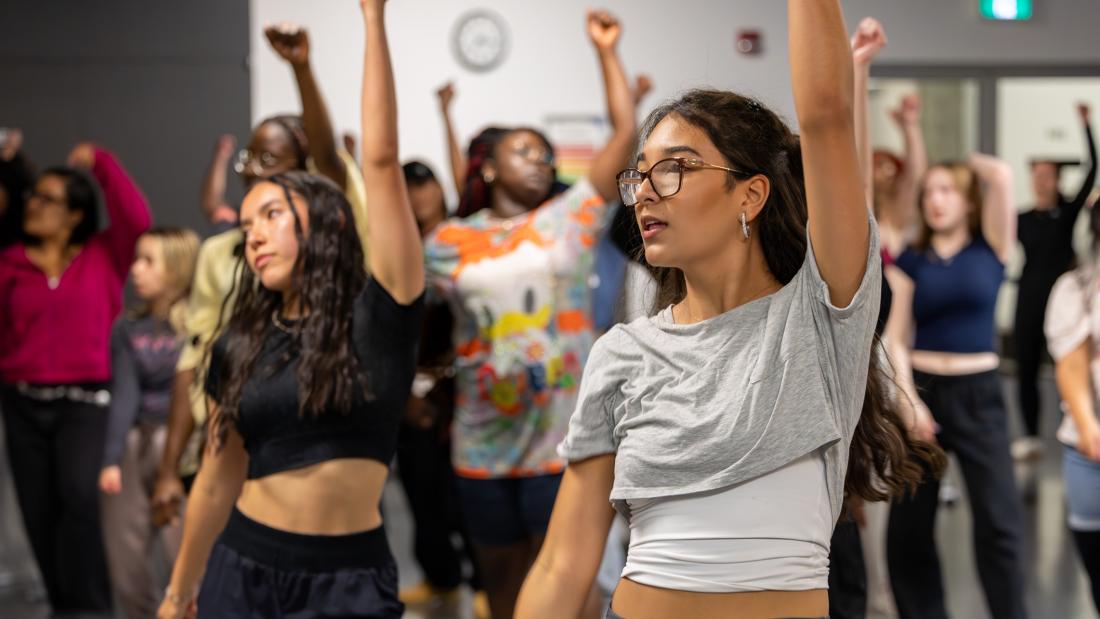
KPER 4000: Experiencing Dance History lets students learn and experience the diverse history of cultural dances from around the globe. Liz Markwart, a sessional instructor leading the course and current PhD student in Peace and Conflict Studies, says the class blends the learning of dance history with studio sessions to create a totally new understanding of the information.
“To experience even a bit of that moment creates a completely different understanding than reading a book or watching a video,” says Markwart.
FKRM Assistant Professor Dr. Mandi Baker is co-editor of a new book that looks at why outdoor spaces feel safe and freeing for some people, but intimidating, exclusionary or even unsafe for others. The book is titled Inclusion and Equity in Outdoor Leisure: Whose Body Belongs?
Each chapter of the book details the experiences of various groups who have historically been excluded. They talk about race, age and disabilities in outdoor recreation. Baker says it was important to her and co-editor, Dr. Neil Carr, that the book told the “real and raw” stories of people who have felt excluded.
Over 1,000 participants joined the basketball, hockey, soccer and volleyball leagues during the Winter Term intramural season across both UM campuses. Made up of UM students, staff and faculty, the leagues’ real impact is felt beyond their fields of play.
Bilal Bandmaster, a fifth-year student in the Asper School of Business, says he was welcomed with “open arms” by other teammates during his first year playing with a soccer team. Bandmaster says his time as a player changed his university experience. Playing in the league gave him an opportunity to stay on campus and connect more with the student community.
FKRM Assistant Professor Dr. Janet Lawson has been involved in creating the Municipal Guide for Disability Inclusion in Recreation and Physical Activity. The guide is a comprehensive look at how communities can manage inclusive programming.
“Once we are able to open our doors and provide inclusive programs where persons with disabilities can meaningfully participate, we see they experience a sense of belonging and are able to challenge themselves and learn new skills, just as anybody else would,” says Lawson.
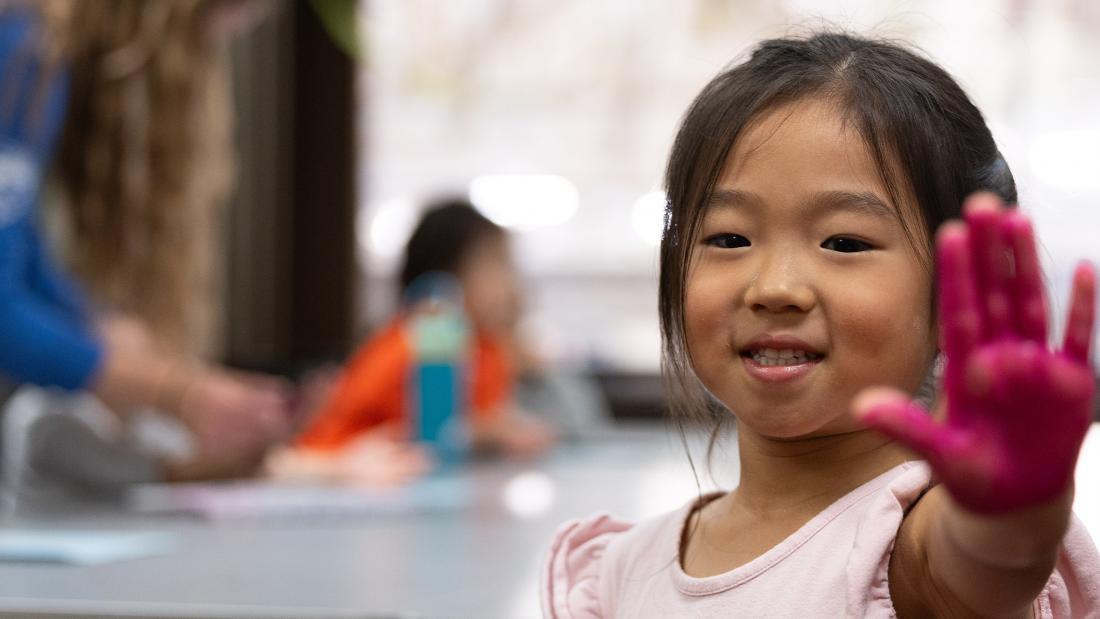
Ashley Gagnon, the Associate Director of Children’s Programs, says parents often say one thing when they’re asked why they chose Mini U: the camp leaders. Gagnon says this response is not by chance. Mini U works hard to help its team members and campers grow together.
Gagnon says helping team members grow into leaders has been her focus for over a decade. That focus prepares them to excel in their roles with Mini U and in their communities. She says Mini U uses workshops, clear expectations and focused feedback to give team members chances to grow.
Behind every UM student-athlete is a dedicated team supporting their health, mindset and performance. The Bisons Integrated Support Team (BIST) brings together experts in athletic therapy, sports psychology, nutrition and strength and conditioning to collaboratively maximize each student-athlete’s potential.
“It’s comforting knowing that there is a team of professionals behind me — people who genuinely want the best for you. It really does take a village,” says Simone Crevier, a track and field and cross-country athlete.
At the national Kinesiology Games, kinesiology (and other related programs) students from across the country gather to “do what they do best,” and show off their skills, knowledge and passion across a variety of categories from their field of study. Team Manitoba brought home gold medals in the overall and academic competitions at the 2025 games, hosted this year by Mount Royal University.
“In all my years of playing organized sports, I don’t think I have truly been a part of a team that worked as well as we did,” says first-year kinesiology student Jonathan Hiebert. “Not only were we all teammates, but we became genuine friends.
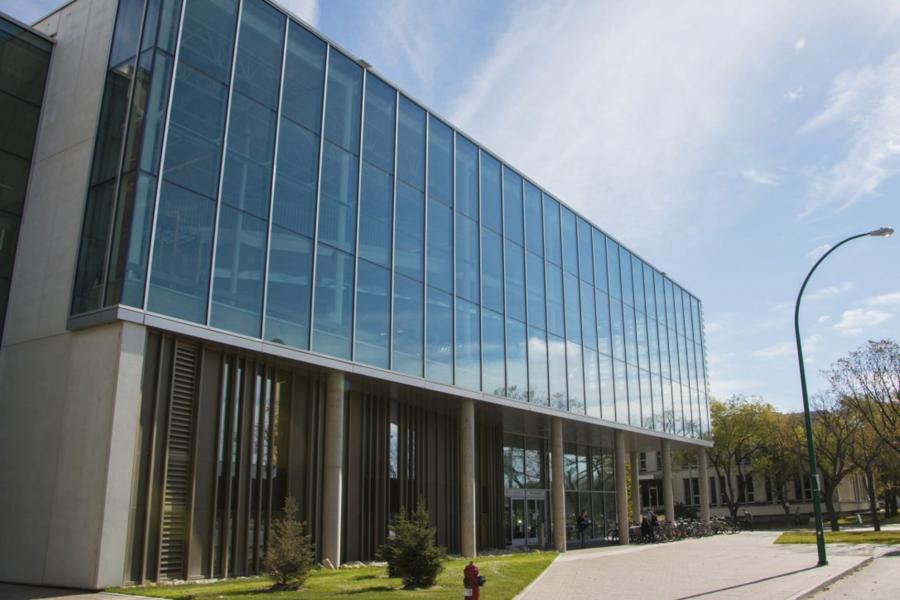
The Faculty of Kinesiology and Recreation Management is building
healthy communities by bringing together leaders and learners to share
their knowledge to improve the quality of life for communities worldwide.
Our faculty, staff and students work side-by-side, furthering our understanding of physical and mental well-being for individuals and communities. More than just a faculty, FKRM is a place to study what moves you and how you can move others.