
Our history in motion
Key moments at a glance
1980s: Early physician assistant (PA) practitioners in the Canadian Armed Forces solidified their roles as front-line care providers.


1999: Manitoba became the first province to regulate and recognize PAs in Canada through the 1999 Manitoba Medical Amendment Act.

2005: A new graduate level PA program was proposed. It was the first proposed PA education program in Canada.
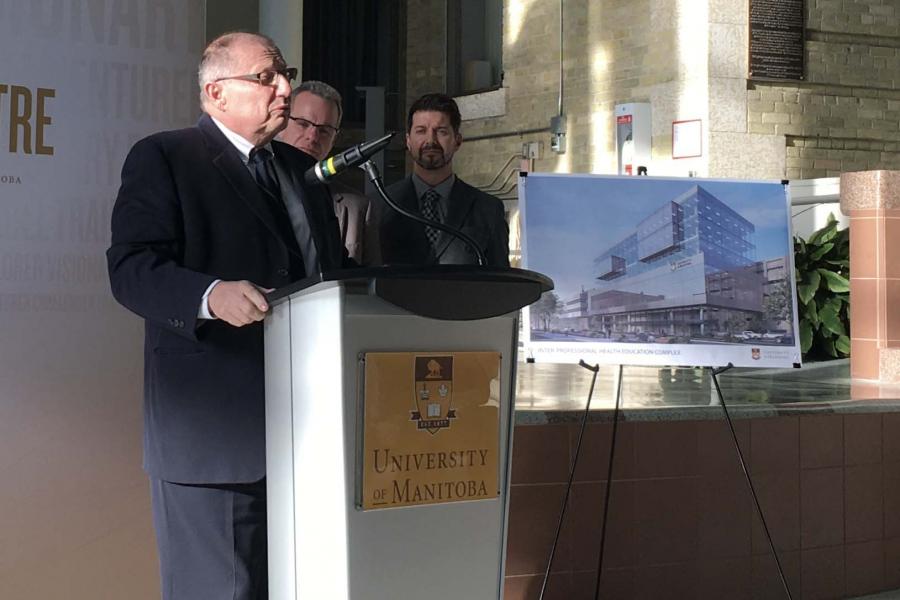
2006–2007: The PA program curriculum was developed by the steering committee, with contributions from other physician assistant programs including the Canadian Armed Forces, MEDEX Northwest at the University of Washington, Yale University PAEP, George Washington University, the Physician Assistant Education Association and the American Academy of Physician Assistants.


2008: The Physician Assistant Education Program (PAEP) became the first master's-level degree program in Canada. PA Sarah Clark appointed program director.


2010:
- The program achieved accreditation
- Ian Jones was appointed as program director
- First graduating class of 11
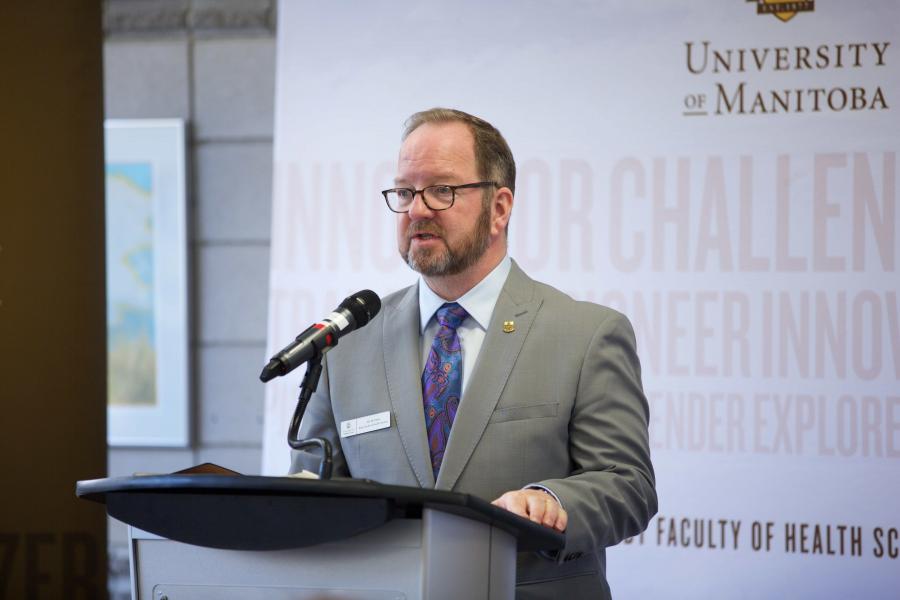

2011: Program name changed to Master of Physician Assistant Studies (MPAS) to distinguish it from the other two PA programs in Canada (University of Toronto and McMaster University).

2016:
- Class size increases from 12 to 15 students
- Stethoscope Ceremony takes place for first time at Inaugural Exercises


2018: JCanPA launch. The national Journal of Canada’s Physician Assistants created by Ian Jones and based in Manitoba.

2019: MPAS joined the Department of Family Medicine under department head Dr. José François.

2022:
- Rebecca Mueller appointed program director
- Maintained full accreditation by Accreditation Canada
- MPAS student bursary of $40,000 created to support financially struggling learners



2024: Class size increases from 15 to 30 students with support from Dean Nickerson, CAPA, the Minister of Education and the Minister of Health.


2025: MPAS Student Support Fund developed for tuition relief and National Banks recognize PA learners for professional student line of credit. This created a formal pathway to open MPAS education to all socioeconomic levels.

2025: Canadian PA Educators Network created under AFMC by Rebecca Mueller to support faculty and curricular needs for the rapidly expanding PA programs across the country including Dalhousie University, University of Calgary, University of Saskatchewan, and the expansion of existing programs at the University of Manitoba, McMaster University and the University of Toronto.
