Directory

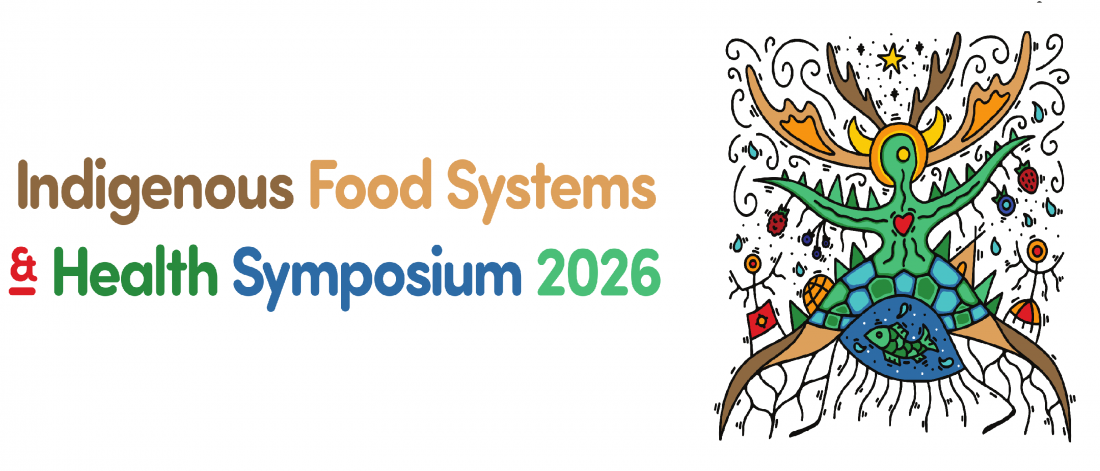
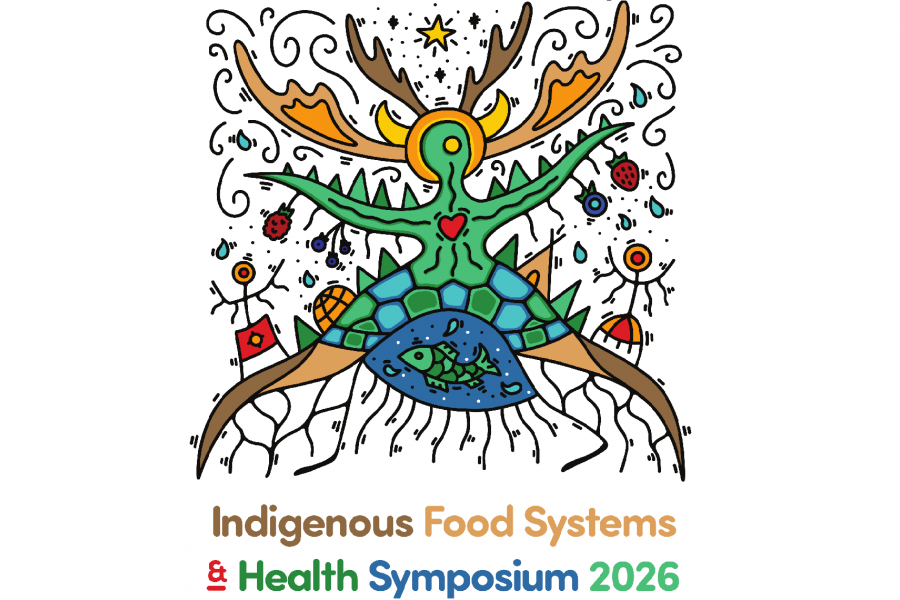
Design Inspiration & Meaning
Registration & attendance options

The symposium offers flexible registration options to suit your schedule and needs. You may register for one day or both.

June 11 – Workshop Day (In-Person Only) An interactive, hands-on day of student-focused workshops exploring Indigenous food systems and community wellbeing. Refreshments will be provided throughout the day.

June 12 – Symposium Day (In-Person or Online) A focused half-day of presentations and interdisciplinary discussions spanning nutrition, health sciences, agriculture, food science, and related fields. In-person attendees will enjoy lunch and coffee throughout the event.

Two-Day Registration Join us for the full experience — register for both June 11 and June 12 at a bundled rate.

Early Bird Pricing Save 15% by registering early! Early bird pricing is available for a limited time — secure your spot before the deadline.

Registration Deadline: Registration closes on June 10, 2025. We encourage you to register early to secure your spot.

Agenda

June 11 Pre-Symposium Day Agenda

TimeEventLocation / Details
9:00 – 10:00 AMOpening Remarks & Wawatay Program PresentationDr. Carrie Selin / UMGPS Lounge, Room 221 UMSU University Centre
65 Chancellors Circle, R3T 2N2
10:30 AM – 1:00 PMIndigenous Cooking WorkshopChef Jenni Lessard / Barbara Burns Kitchen, Room 410 Human Ecology Building
1:30 – 2:00 PMLunch by Shelly's Indigenous Bistro 
2:00 – 3:00 PMGuided Indigenous Art SessionCheryle Dreaver
3:15 – 4:15 PMIndigenous Health, Food Sovereignty, and Community HealthKerry Spence
5:00 – 8:00 PMVolunteering at Siloam Mission (Transportation provided)300 Princess St., R3B 1M3
 

June 12 Symposium Day Agenda

TimeEventSpeaker
08:00 – 08:40Arrival & registration 
08:40 – 08:50Welcome & housekeepingDr. Leslie Redmond & Sina Sarviha
08:50 – 09:00Land acknowledgement & FAFS updateDr. Rob Duncan
09:00 – 09:30Opening prayers and greetingsElder Kookum Karen
09:30 – 10:15Keynote #1Dr. Az Klymiuk
10:15 – 10:45Keynote #2Assoc. Prof. Melissa Chlupach
10:45 – 11:45Lightning round presentations 1–4Chef Dean Herkert
Michayla (Shay) Quinn, PhD-c
Dr. Shirley Thompson
Dr. Alistair Brown
11:45 – 12:30Lunch 
12:30 – 01:30Lightning round presentations 5–7Kelly Gordon, BSc, RD
Alison Elsner, MSW-IFP, RSW
Chef Vince Bignell
Anna Neil B.Ed, M.A (Indigenous Governance)
01:30 – 02:15Panel discussion, shared reflections, & audience Q&ALightning round presenters
02:15 – 02:30Break 
02:30 – 03:15Keynote #3Dr. Mikaela Gabriel + team
03:15 – 04:00Keynote #4Deyowidron't Morrow, RD, MA & Sina Sarviha
04:00 – 04:15Wrap upDr. Leslie Redmond & Sina Sarviha

Speakers and presenters

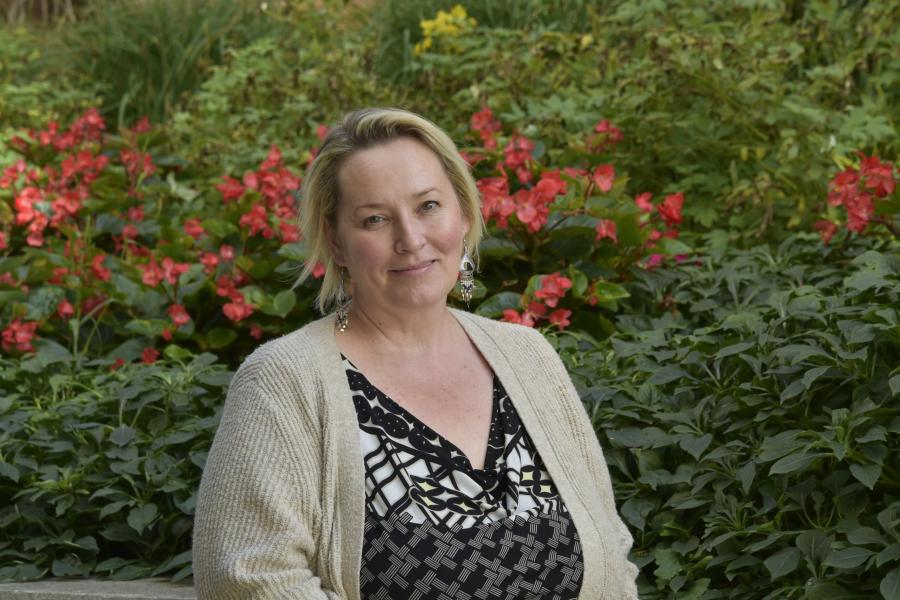
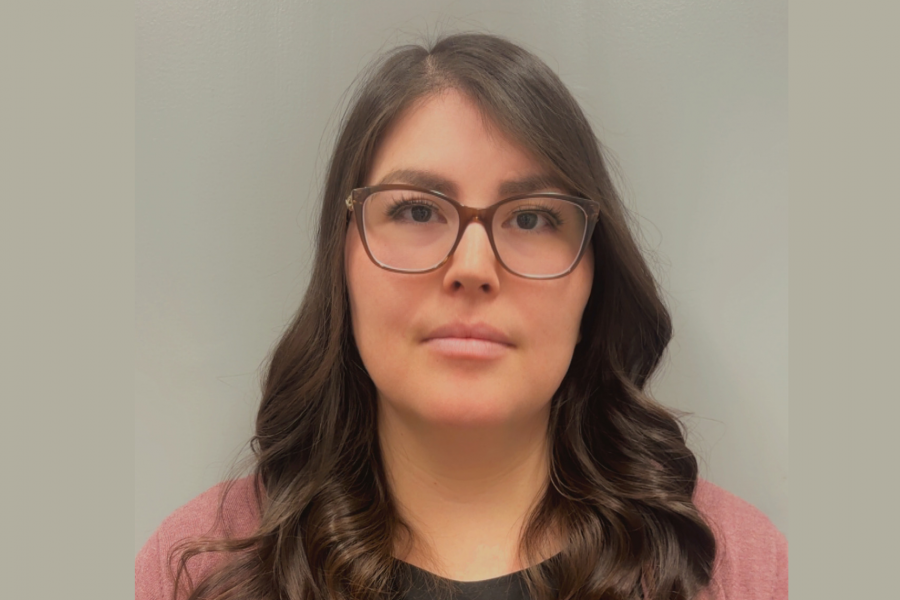
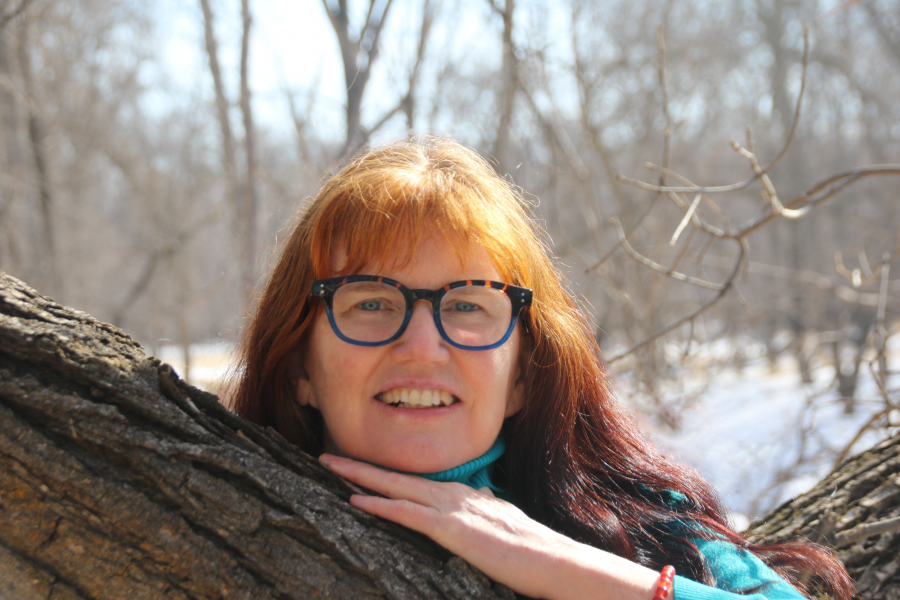
Dr. Carrie Selin

Dr. Carrie Selin

Bio:
Dr. Carrie Selin is a Red River Métis woman and the Wawatay Academic Programming Lead in the Faculty of Science at the University of Manitoba. With a PhD in Microbiology, she is dedicated to supporting Indigenous student success in science through culturally grounded education, mentorship, and community-building. She has developed courses that bring Indigenous knowledge and Western science into relationship through a Two-Eyed Seeing approach and works closely with Indigenous communities, schools, and university partners to advance reconciliation and Indigenous student success. Dr. Selin serves on the Board of Directors for the Verna J. Kirkness Education Foundation and is a member of the Seven Oaks Métis Local. Her ongoing journey of reconnecting with her Métis heritage informs her work as an educator, leader, and mother, strengthening her commitment to culture, identity, and community.

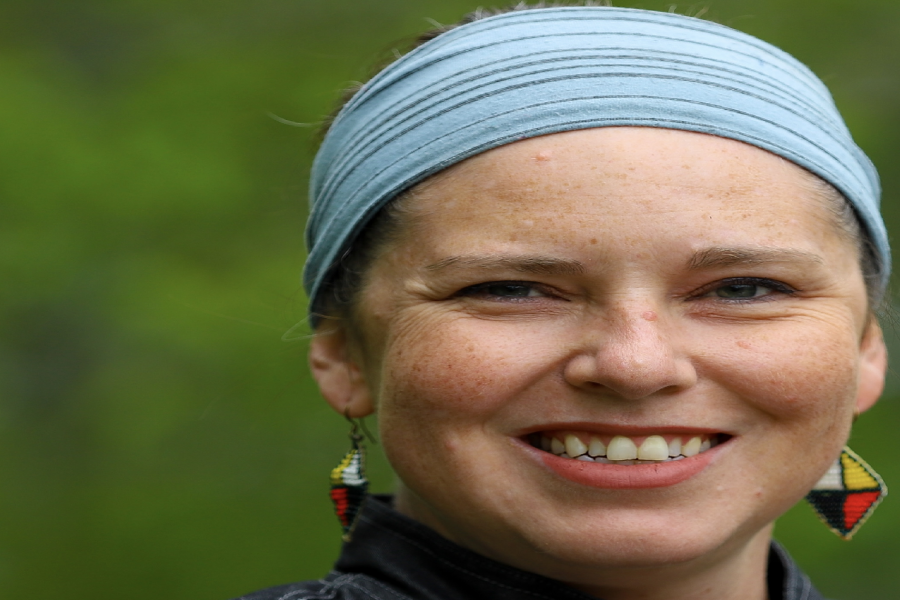
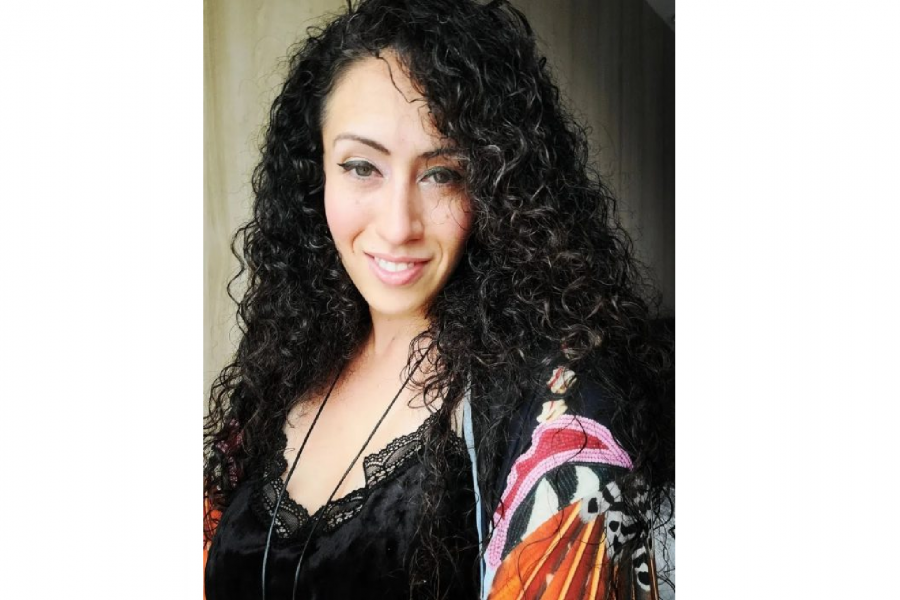
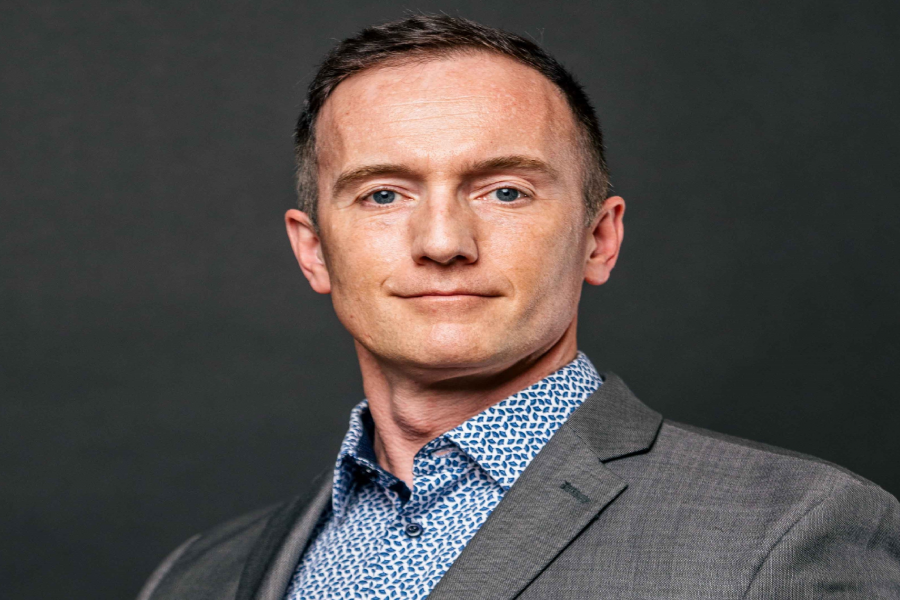
Jenni Lessard

Jenni Lessard

Bio:
Jenni Lessard is a Métis, chef and culinary consultant based in the Qu’Appelle Valley in Saskatchewan. Raised in the boreal forest north of La Ronge, SK., her first foodie adventures involved the berries and plants that surrounded her family’s home. At 14, Jenni and two friends started a hamburger stand at the local airport and her commercial cooking career “took off”. First with her restaurant, Birch Hills, SK restaurant, New Ground Cafe’, and then her catering business, Chef Jenni Cuisine, she grew a reputation for innovative dishes and warm hearted storytelling. Now, through Inspired by Nature Culinary Consulting, Jenni creates menus, recipes and immersive culinary experiences, one of which won the 2025 Canadian Culinary Tourism award. Jenni was a judge on Season 5 of Fire Masters on Food Network Canada ,Resident Chef at the National Arts Centre in 2022 and is Royal Canadian Geographical Society Fellow. This summer, she’s heading up the kitchen at the Waskesiu Golf Course in Prince Albert National Park, Saskatchewan where the menu features local fish, berries and plants as well as classic comfort foods. When she’s not on the road or in the kitchen, you’ll find Jenni berry picking, sometimes with a headlamp to extend the daylight!

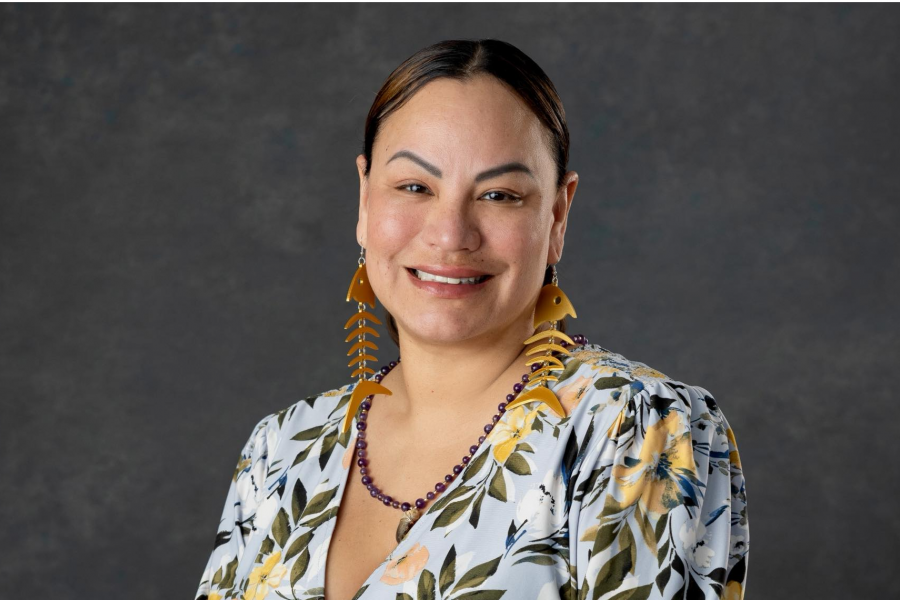
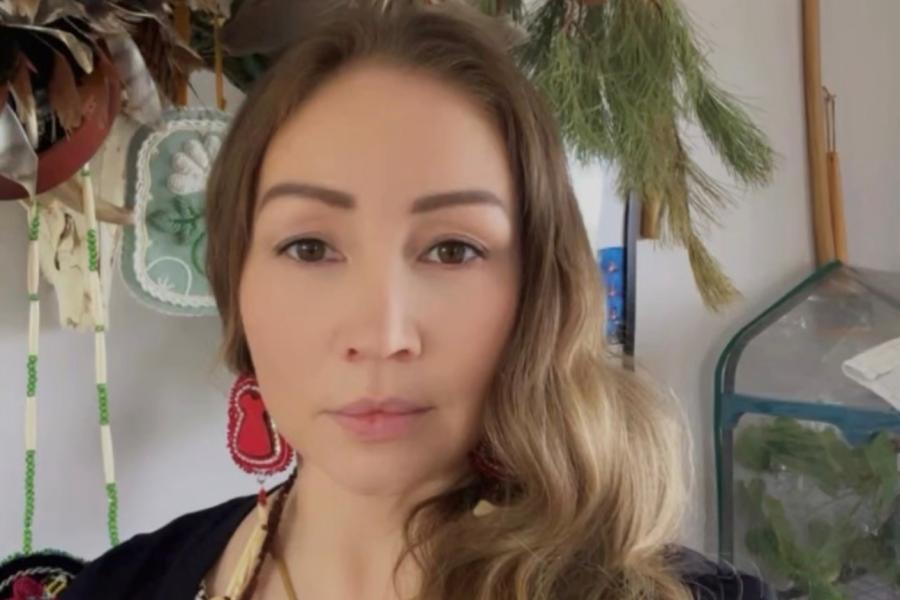
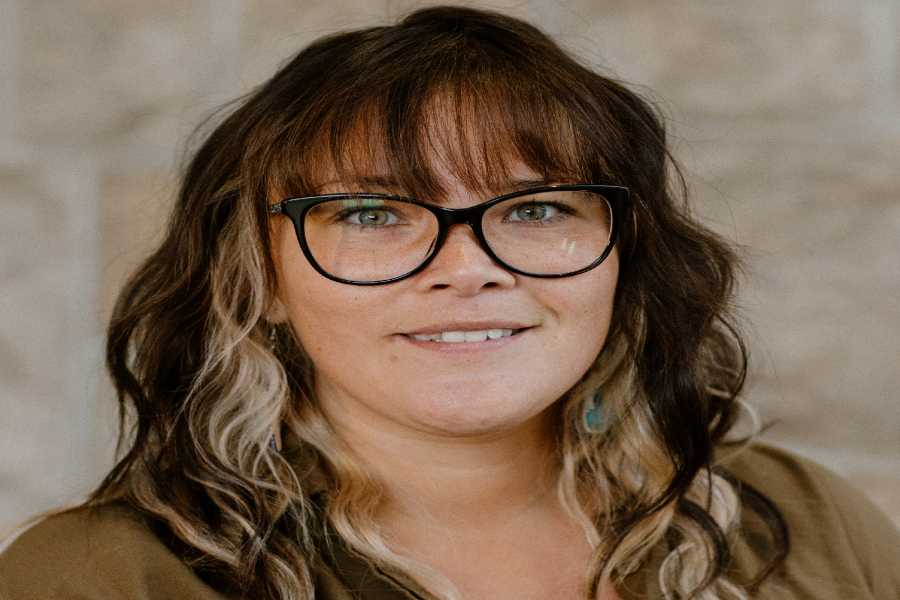
Cheryle Dreaver

Cheryle Dreaver

Bio:
Cheryle Dreaver is a Cree artist from Mistawasis Nêhiyawak First Nation (Treaty 6) who lives and creates in Winnipeg, Treaty 1 Territory, homeland of the Red River Métis. She began painting in 2015 as part of her healing journey, inspired by dreams, teachings, stories, and lived experiences. Her vibrant artwork reflects connections to land, spirit, family, and Indigenous ways of knowing. Through painting and guided art workshops, Cheryle creates spaces for reflection, storytelling, healing, and connection.

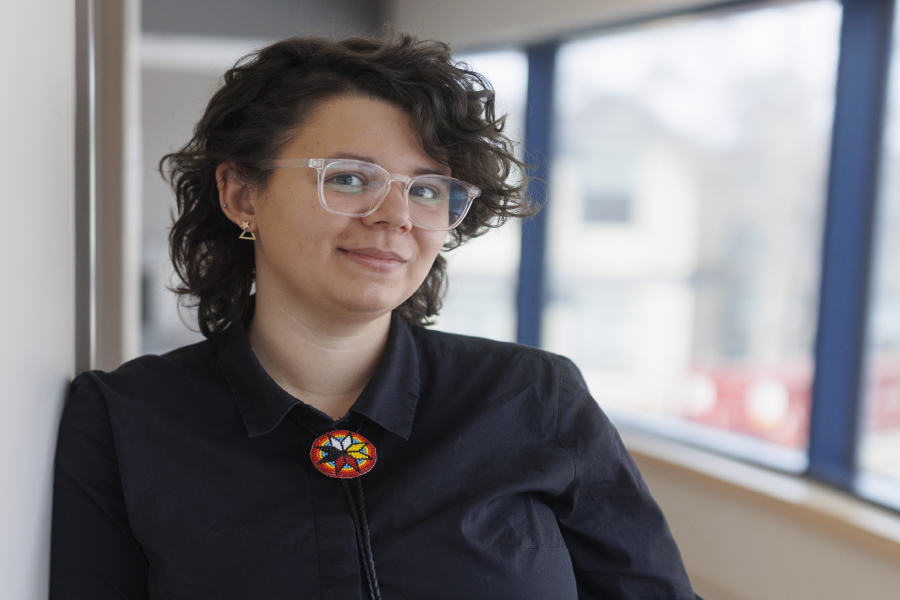
Kerry Spence

Kerry Spence

Bio:
Kerry Spence is the Food Sovereignty Coordinator with the Southeast Resource Development Council (SERDC) in Winnipeg, where she works with eight First Nations communities in the SERDC Tribal Council to support their food sovereignty and food security initiatives. In this role, she supports the implementation of the Nutrition North Canada (NNC) Harvesters Support Grant in four communities that receive the funding. Her work also includes collaborating with community coordinators, leadership, and harvesters, and assisting communities in securing funding for food-related infrastructure and initiatives. Through relationship-building and program coordination, Kerry works to strengthen community-led approaches that increase access to traditional and locally sourced foods.

Mikaela-Gabriel_headshot

Dr. Mikaela D. Gabriel

Bio:
Dr. Mikaela D. Gabriel, C. Psych (Italian & Mi'kmaq of Ktaqmkuk, Crow Clan, she/her) is a clinical and counselling psychologist and Canada Research Chair in Indigenous Women and Two-Spirit Mental Health and Homelessness. She is a Research Scientist at Unity Health Toronto. She is an Assistant Professor-Affiliated Scientist at the Waakebiness Institute for Indigenous Health at the Dalla Lana School of Public Health/University of Toronto, where she is the lead of the Network for Aboriginal Mental Health Research (NAMHR), and member of the Ontario Network Environments for Indigenous Health Research (ON NEIHR). She is a writer, traveler, and auntie.

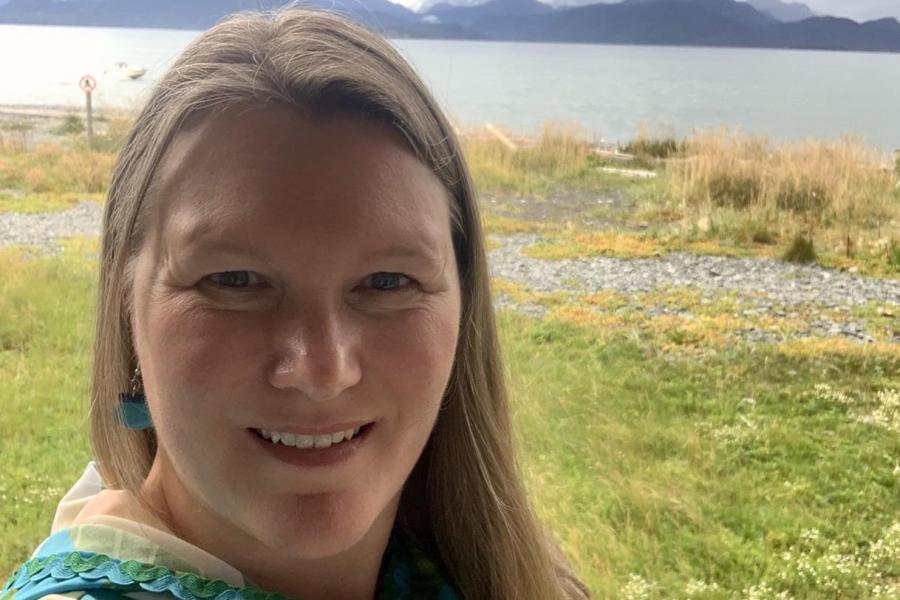
Dr. Melissa Chlupach

Melissa Chlupach

Bio:
Melissa Chlupach is a lifelong Alaskan and Associate Professor in Dietetics and Nutrition at the University of Alaska Anchorage (UAA). She is also the project manager of UAA’s Alaska Traditional Kitchen, a project that promotes traditional foods, stories, and Alaska Native ways of knowing through live and recorded cooking demonstrations. As a non-Indigenous person who was born and raised in Alaska on Native land, Melissa’s work is part of a personal commitment to reconciliation. She strives to work in partnership with Indigenous peoples to improve health through access to traditional and Indigenous foods.

Presentation Description:
Traditional/Indigenous (T/I) foods hold deep cultural, spiritual, and emotional significance for Indigenous peoples. These foods are much more than just sustenance; they are intertwined with identity, history, and connection to the land and people. This session honours the cultures of Alaska Native peoples by sharing the importance of T/I foods and the ways these foods support health, identity, and community across the lifespan. The session also highlights programs and initiatives that promote access to traditional foods and foster healthy lifestyles for Alaska Native individuals, families, and communities at all stages of life.

Deyowidron’t (Deyo) Morrow

Deyowidron’t (Deyo) Morrow

Bio:
Deyowidron’t (Deyo) Morrow, RD, MA, is a Cayuga Nation member of the Wolf Clan from Six Nations of the Grand River. She is a Registered Dietitian, PhD Candidate at the University of Toronto Bloomberg Faculty of Nursing, and founder of Ögwaya’dadogęhsdagöh (Alignrbody).

Deyo’s work focuses on Indigenous food sovereignty, traditional food systems, Indigenous cultural safety, relational accountability, and distinctions-based approaches to health and wellness. She has worked across community, clinical, academic, provincial, and national settings, supporting initiatives related to Indigenous health equity, food systems, governance, quality improvement, and knowledge translation.

Grounded in Haudenosaunee teachings and community relationships, Deyo’s work explores the connections between food, identity, governance, and responsibility, while advancing Indigenous-led approaches to research, education, and health system transformation

Dr. Shirley Thompson

Dr. Shirley Thompson

Bio:
Dr. Shirley Thompson is a professor with the Faculty of Environment, Earth, and Resources at the University of Manitoba and the principal investigator with the Mino Bimaadiziwin Partnership. She is non-Indigenous to Canada, with Celtic ancestry. Shirley has worked on food, traditional land use mapping, community-led education and community development with York Factory, Wasagamack, Garden Hill, Red Sucker Lake and other First Nations over the last 20+ years.

Presentation Description:
Participatory action research on Indigenous-led food education and traditional land-use mapping provided community-led programs for Indigenous food solutions and land protection. The focus of this Indigenous food systems research included fishing cooperatives, community-led food education, Indigenous farming, mapping traditional land uses and planning Indigenous Protected and Conservation Areas. This research correlates the negative impacts of food insecurity and ecosystem integrity with Indigenous food systems being under attack for centuries by colonial policies.

Alistair Brown

Dr. Alistair Brown

Bio:
Alistair Brown is a non-Indigenous ally and assistant professor and Director of the Manitoba Analytical Solutions (MASS) Lab at the RCFTR in the University of Manitoba. An analytical chemist by trade, Alistair uses mass spectrometry to help answer larger questions relating to all phases of environmental health- air, surface water, wastewater, wheat cultivars, cannabis, soil, and sediments. The dynamic movement, transformation, and fate of contaminants from agriculture, wastewater, and hydro-impacted practices through the water-sediment interface are especially important when it comes to understanding environmental injustice and the health of Indigenous communities and food. Alistair partners with several faculties across campus including FAFS, Science, and Environment, and externally with the IISD and Tataskweyak Environmental Monitoring Agency to quantify contaminants in water and sediment in Rwanda and Split Lake Manitoba, respectively. He also has the federal contract for pesticide analyses in surface water and groundwater across Canada through Health Canada and the Pest Management Regulatory Agency.

Alison Elsner headshot

Alison Elsner

Bio:
Alison Elsner is a proud member of Ahtahkakoop Cree Nation, located on Treaty 6 Territory in Saskatchewan and currently resides outside of Regina, Saskatchewan located on Treaty 4. Rooted in her own journey of reclaiming identity and cultural connection, Alison is committed to resisting the legacies of colonial disruption while nurturing wellness and strength for future generations.
Alison currently works as Indigenous Research & Engagement Specialist with the Saskatchewan Centre for Patient-Oriented Research (SCPOR) as she transitions out from her role as Faculty with the Indigenous Social Work program at First Nations University of Canada.
Her dedication to learning and teaching as she enters into her second year of her PhD in the Department of Community Health and Epidemiology in the College of Medicine at the University of Saskatchewan, where she explores Indigenous ways of knowing and holistic approaches to health and well-being. Through her scholarship and teaching, Alison works to create spaces that honour Indigenous knowledge as living, innovative, and vital for community healing and transformation.

quinn_michayla

Michayla (Shay) Quinn

Bio:
Michayla (Shay) Quinn (they/them) is a PhD Candidate in the Department of Community Health and Epidemiology at the University of Saskatchewan. They are Dutch, Lakota, and Métis, and live and work in Treaty 6 territory. As a sociological community health researcher, their research focus includes Indigenous food systems, arts-informed phenomenological research, and food security interventions.

Presentation description:
School food isn’t a meal – it is a food system in and of itself. As school food programming evolves across Canada, it is crucial to consider the ways in which Indigenous food systems fit into the menu. Integrating traditional foods into the school food curriculum brings additional challenges and opportunities to foster food sovereignty; but the definition of traditional food is not as clear-cut as one may think.

Anna Neil

Anna Neil

Anna Neil is an Anishinaabe educator, researcher, and community advocate from Neyaashiinigmiing. She holds a Master of Arts in Indigenous Governance and will begin doctoral studies in Natural Resources and Environmental Management at the University of Manitoba in Fall 2026.
Anna’s work focuses on Indigenous governance, food sovereignty, land-based learning, and community wellbeing. Drawing upon both academic research and community knowledge, her research explores the relationships between Indigenous food systems, governance, health, and the responsibilities we hold to future generations.
With experience in education, community engagement, and Indigenous research, Anna is committed to supporting Indigenous knowledge systems and strengthening connections between people, land, culture, and community. She is honoured to contribute to ongoing conversations about Indigenous food sovereignty, self-determination, and the revitalization of traditional food practices.