
1877-1927 | Foundations and firsts
The University of Manitoba began as Western Canada’s first university, built on collaboration among affiliated colleges. This era is defined by early milestones—UM’s first graduates, women and racialized students breaking barriers, and the creation of the university’s first campuses. Amid war, pandemic and change, UM established its foundations of resilience and public service.
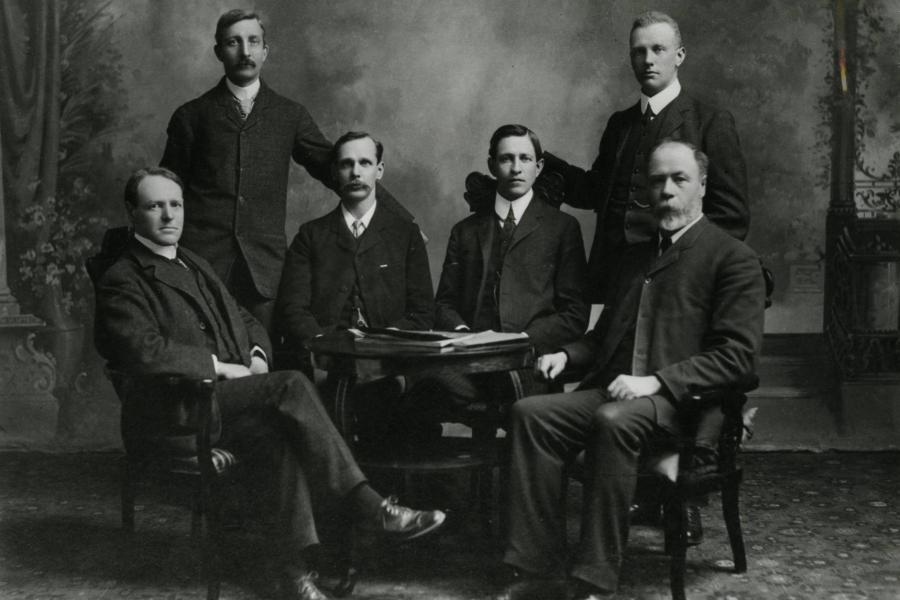
1877 - University of Manitoba Act passed
Manitoba Lt. Governor Alexander Morris advocates for a provincial university in his throne speech, and on February 28, the University of Manitoba Act passed. It was based on the University of London model of affiliated colleges with the university as an examining and degree-granting body. The three founding colleges were: Manitoba College, St. John’s College and St. Boniface College.
1878 - First exams held
UM’s first exams are held for seven students. They were taught by clergy and typically received a classical education, grounded in Latin, Greek, theology, philosophy, and mathematics.
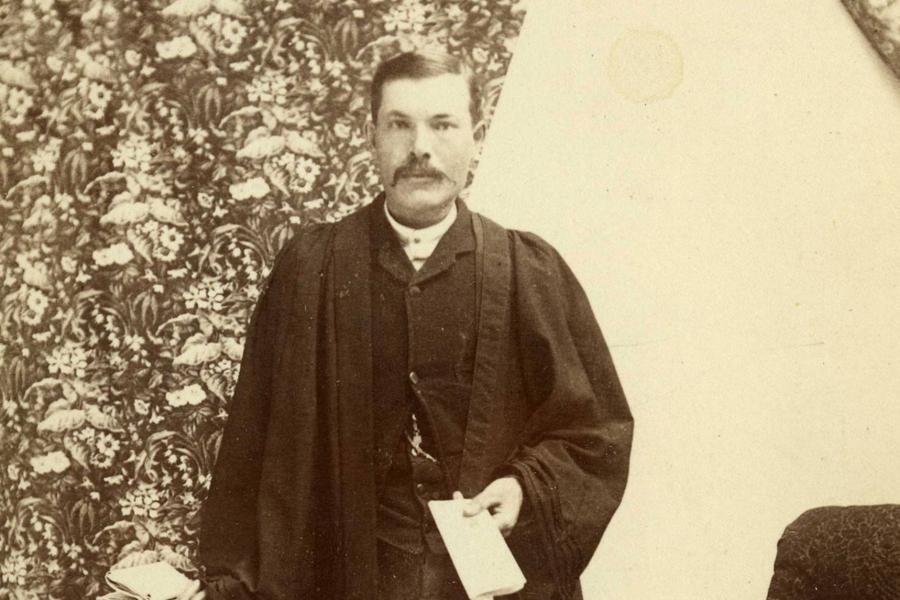
1880 - First graduate
William Reginald Gunn is the first student and first Métis person to graduate from the University of Manitoba. He was an exemplary Manitoba College student, who took honours in natural sciences and was awarded the Governor General’s Silver Medal.
Gunn’s Métis roots go back three generations. His great-grandmother on his mother’s side was a Cree woman named Agatha Kanapawanakan from York Factory. Less is known of his paternal great-grandmother, but she was an Indigenous woman, believed to be Cree as well, living in the area of Fort Severn. William’s father, John Gunn, was a Métis member of the Legislative Assembly of Manitoba.
1883 - First donation
The university receives its first donation, $83,000 (equivalent to $2.5M today) gifted by Alexander Kennedy Isbister, a Métis explorer and lawyer, for scholarships awarded to deserving students, regardless of gender, race, creed, language or nationality. Isbister also donated his personal collection of nearly 5,000 books which formed the basis of the university’s first library.
1885 - Federal land grant
The Canadian government approves legislation granting UM up to 150,000 acres of crown land in Manitoba as endowment; land that was originally promised to the Métis under the scrip system.
1889 - First woman graduate
Jessie Holmes becomes the first woman to graduate from the University of Manitoba, obtaining a bachelor of arts degree. She would go on to earn her master of arts degree in 1892.
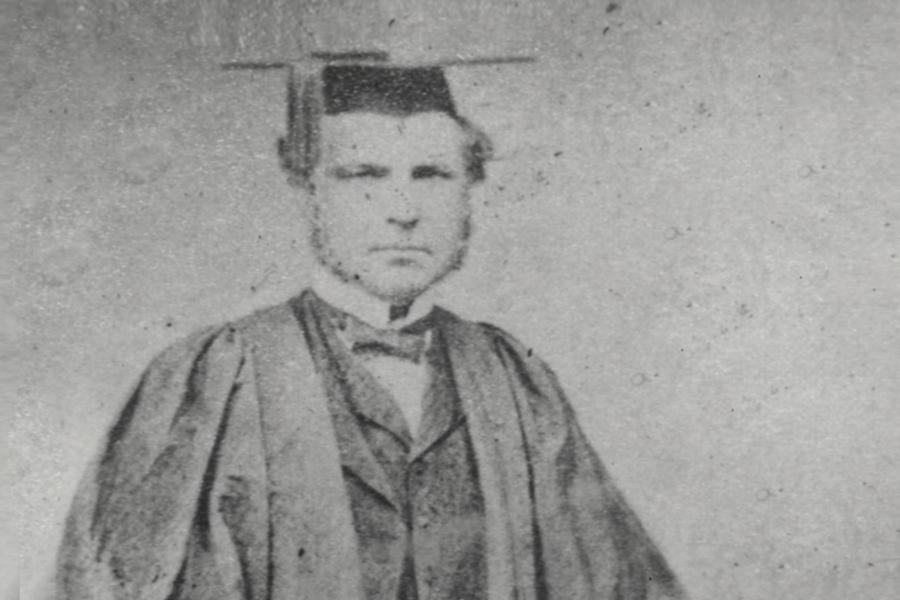
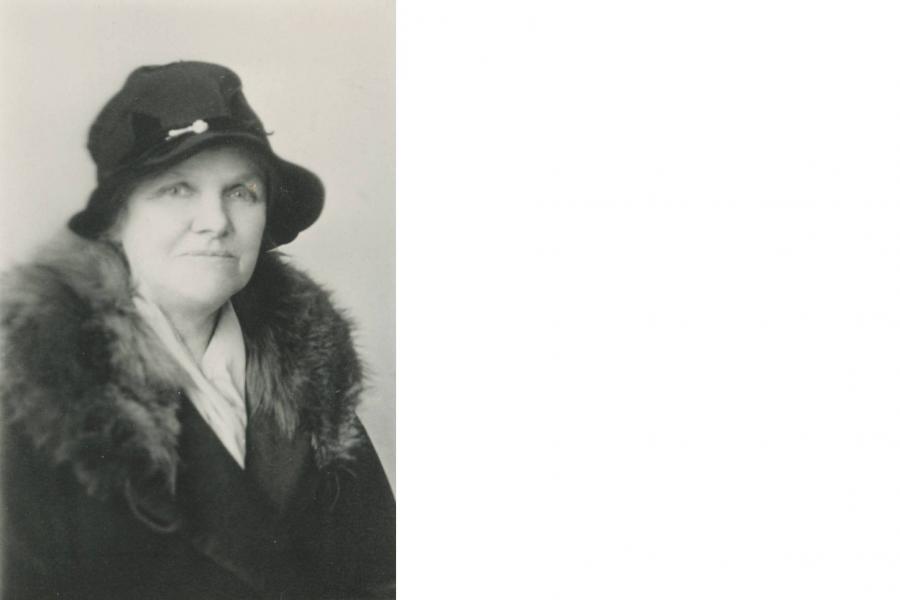
1898 - Establishing the Broadway campus
The federal government transfers Hudson’s Bay Company land on Broadway to UM for construction of a campus. Three years later, the Science building is completed on the Broadway Campus, UM’s first purpose-built building. In present-day Winnipeg, the land is part of Memorial Park.
1904 - First UM faculty hired
Reginald Buller, Frank Allen, M.A. Parker, R.R. Cochrane, Swale Vincent, and Gordon Bell become the first UM faculty. For the first time, teaching would be done by the university rather than the colleges.
1908 - Manitoba Agricultural College joins UM
The Manitoba Agricultural College becomes UM's second professional college after the Medical College. It would unaffiliate in 1912 over concerns that the university had too much control over the college, but eventually reaffiliated in 1924 to become the Faculty of Agriculture and Home Economics.
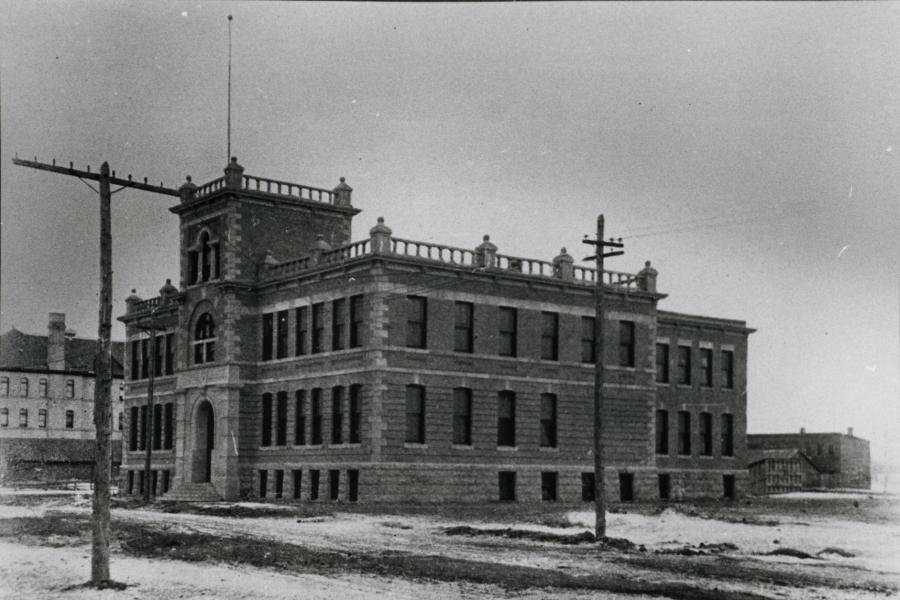
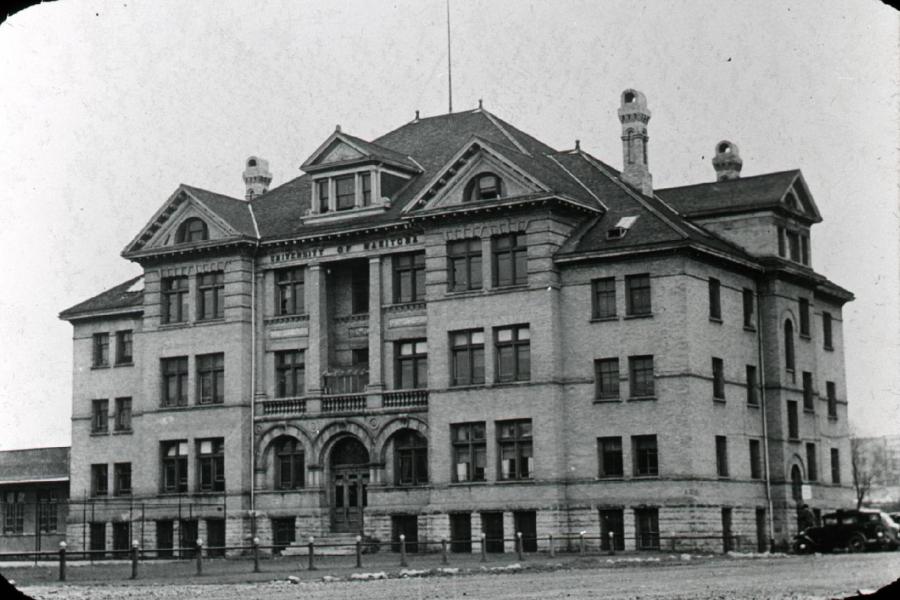
1910 - UM expands
The Province sets aside 570 acres of land for a new location for the Manitoba Agricultural College, eventually expanding into the present-day Fort Garry campus. This land was owned and sold by several Métis families, including Andrew Bannatyne and Antoine Vandalle, who lived and farmed on river lots in the area; before them, it was home to countless generations of Anishinaabeg, Ininiwak, Anisininewuk, and Dakota Oyate. Learn more about the Fort Garry campus' cultural landscape before the 1900s.
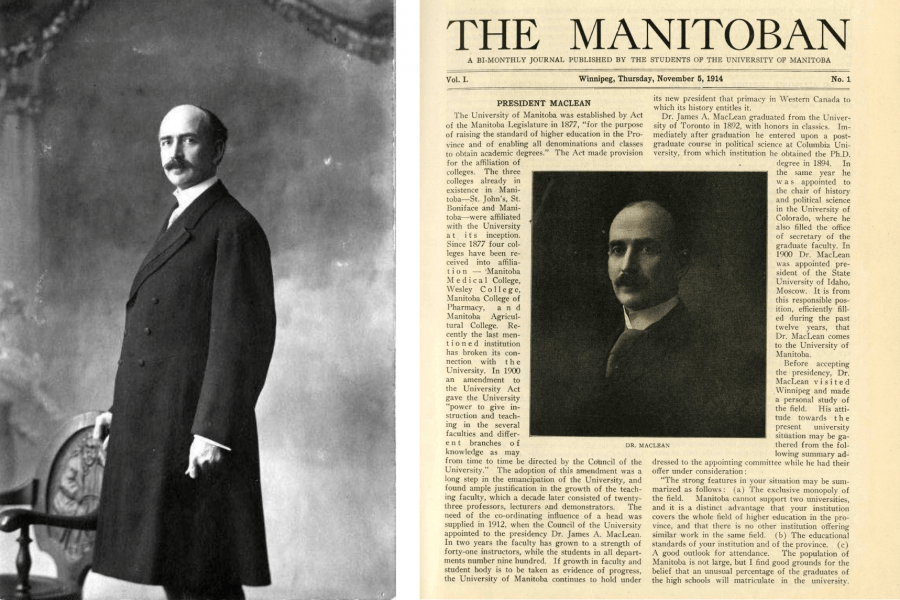
1913 - First president
James Maclean, first UM president, appointed. He previously served as president of the University of Idaho and had degrees in classics and political science. Within his first two years at UM, he nearly doubled the number of faculty.
1914 - Publishing the student voice
The Manitoban student newspaper is founded and Brown & Gold yearbooks are first published.
1914-1918 - The Great War
The First World War decimates the university population. At St. John’s College, there was not a single male over 18 left by 1917. Many joined the Western Universities Battalion, comprised of university staff and students from across western Canada who wanted the opportunity to serve in the military while retaining their collective university identities.
With few male students on campus, women took on greater roles in student organizations. The Overseas Correspondence Club was established for students to write to soldiers serving abroad, keeping them informed of UM activities.
1917-1921 - Faculty of Medicine established
The Manitoba Medical College signs over its charter and land at 750 Bannatyne Ave to UM, establishing the Faculty of Medicine next to Winnipeg General Hospital, whose land was donated by Métis landowners Andrew McDermot and his son-in-law, Andrew Bannatyne. The university constructs a second medical building at 770 Bannatyne Ave to expand the faculty, forming the basis for what is the present-day Bannatyne campus.
1918-1920 - Spanish Flu closes campus
The Spanish Flu pandemic shuts down UM for seven weeks, starting Oct. 11, 1918. Students transition to at-home learning, making use of assigned readings and the telephone which was new technology at the time. Female students and faculty volunteered as nurses. UM science faculty Dr. Gordon Bell was the provincial bacteriologist and chair of Provincial Board of Health, responsible for declaring the state of emergency.
1919 - Student advocacy
The University of Manitoba Students' Union is formed.
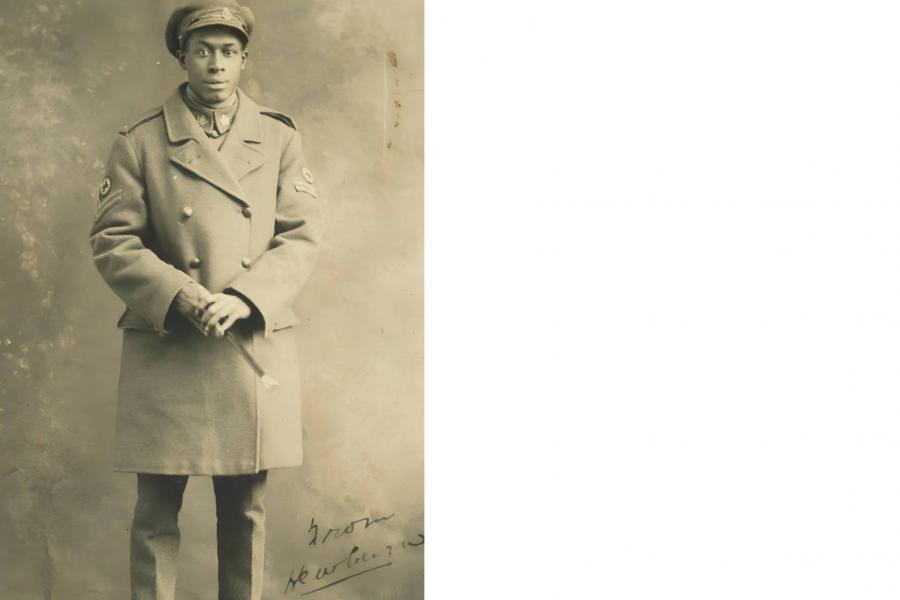
1920 - First Black graduate
Hewburn Greenidge is the first Black person to graduate from UM. He interrupted his studies to serve in the First World War with the No. 2 Construction Battalion and the Canadian Army Medical Corps. He graduated with an M.D. from the College of Medicine.
1927-1977 | Growth, discovery and social change
As UM expanded, it became a centre for discovery, innovation and global achievement. This period brought scientific and medical breakthroughs, world class athletic success, and social awakening, as calls for equity and inclusion reshaped university life.
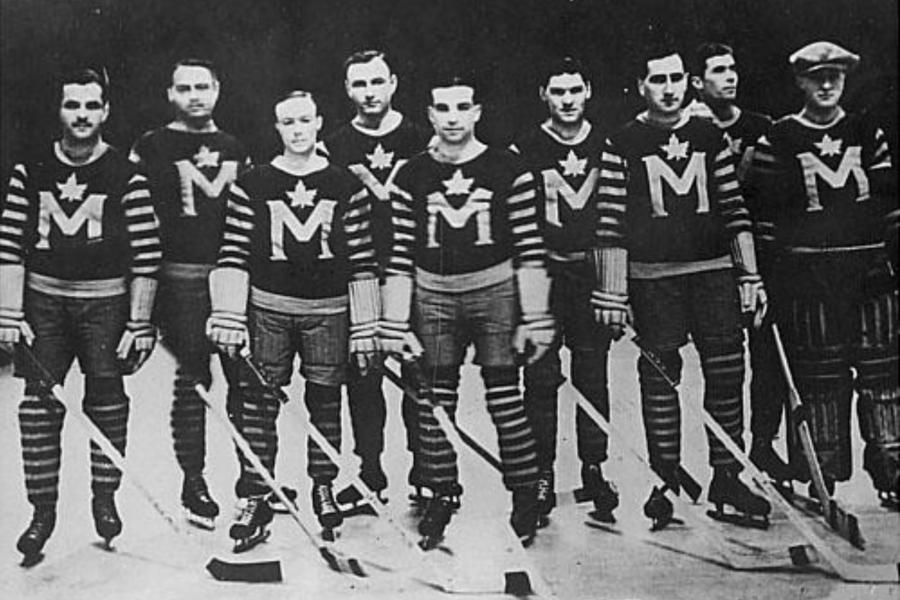
1931 - UM grads win world hockey championship
UM Grads hockey team attend an international amateur hockey tournament in Krynica, Poland. They win against the U.S. team, going undefeated in the tournament, and to-date are the only UM team to win a world hockey championship.
1932 - Second largest university in Canada
A survey of education in Canada by the Dominion Bureau of Statistics reveals that UM is the second largest university in Canada in terms of enrollment.
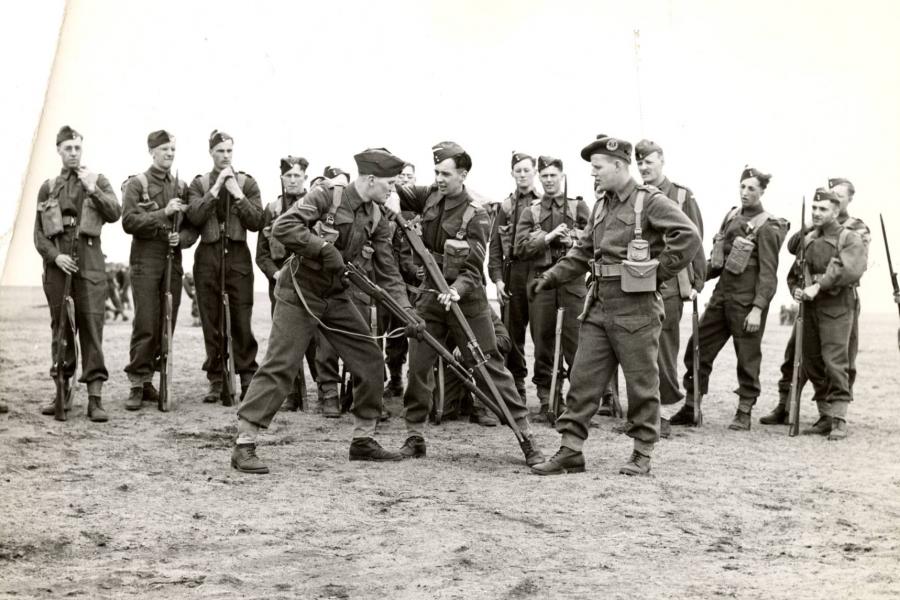
1939-1945 - The Second World War
The Canadian Army takes over Fort Garry campus for training purposes. All male students aged 18 and over are required to take six hours of military training a week.
UMSU President Albert Hamilton published the anti-war poem “Atrocities” and was prevented from graduating until he received honourable discharge from the military service of his choosing. Jack Ludwig, the editor of the literary supplement where the poem was published, was expelled and only later was allowed to receive his degree. He went on to become an acclaimed novelist and sportswriter.
In 1944, the Hillel student organization was established at UM to support Jewish life and culture, as well as the Inter-Racial Fellowship, a student group created to fight racial discrimination and promote friendship between people of different racial backgrounds.
Left: Major H. H. Saunderson (centre), dean of arts and science at UM, instructs cadets during training camp.
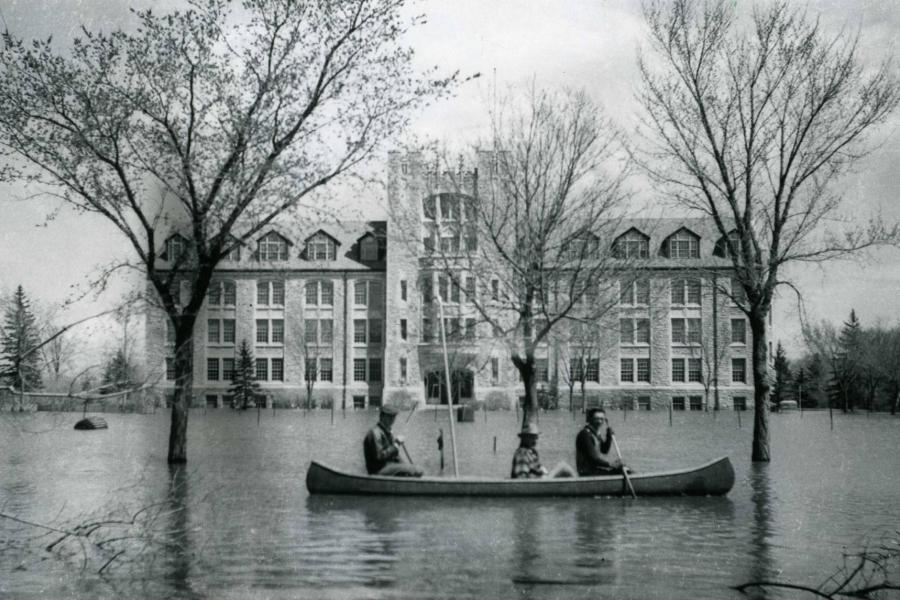
1950 - A new campus and flood
In 1950, campuses are consolidated at Fort Garry. This same year, the Red River floods to historic levels, putting much of campus underwater, and causing a third of Winnipeg to evacuate.
Mid-1960s - Groundbreaking research
UM radiologist and alum Edward Lyons’ groundbreaking research helps to establish ultrasound safe for fetuses and mothers, influencing hospitals across the globe to adopt the technology. Lyons led the first lab in Canada to perform general ultrasound and worked to evolve the technology from a machine the size of a refrigerator to a portable device no larger than a cellphone.
1968 - Treatment for Rh disease
Rh immune globin (RhoGAM/WinRho), developed by professors Drs. Bruce Chown, John Bowman, and Alvin Zipursky, is licensed for use in Canada for treating Rh disease, which occurs during pregnancy when the blood types of the mother and baby are incompatible. In the 1940s the mortality rate was 50 per cent. Today, thanks to their groundbreaking research, it is virtually zero in the developed world.
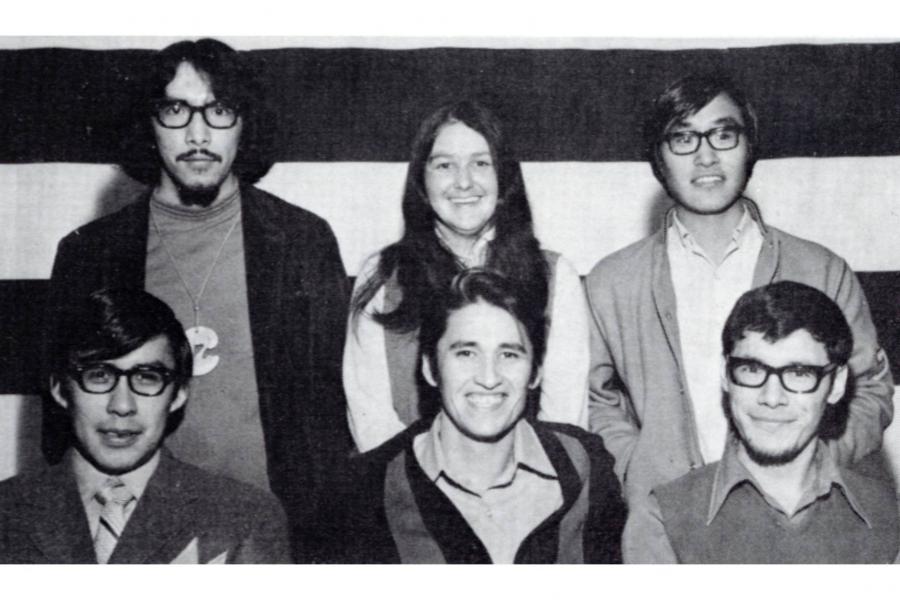
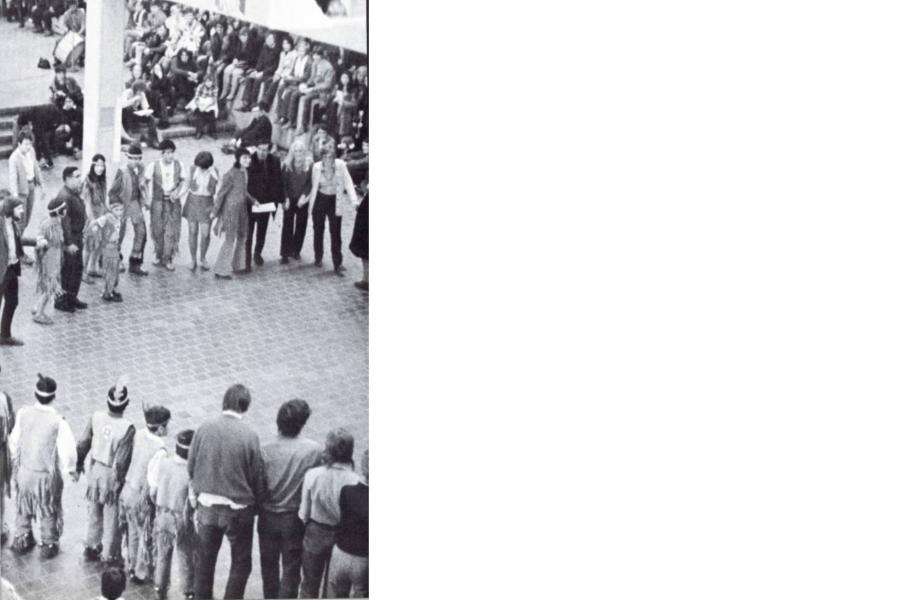
1971 - Indian, Métis and Eskimo Student Association
A racist article published in UM’s engineering student newspaper becomes the catalyst for weaving Indigenous perspectives and experiences into university life. Eleven students form the Indian, Métis and Eskimo Student Association (IMESA), demanding accountability and change. Ovide Mercredi, IMESA’s first president, and would later become Chief of the Assembly of First Nations. (Watch: Truth & Reconciliation at UM).
1972 - First campus Pow Wow
In 1972, UM held its first campus Pow Wow and over a decade later, in 1989, the first Grad Pow Wow was held. Today’s graduates receive Indigenous stoles, that are recognized as official convocation dress. Re-designed by Destiny Seymour [BA/00; MID/13] in 2024, the design is based on specific colours and symbols meaningful to both Indigenous people in general and to Indigenous students at UM. Read more about the Indigenous stole’s history and design.
1975 - Department of Native Studies
Department of Native Studies was formally established – the second of its kind in Canada. Today, it is called the Department of Indigenous Studies and alongside degrees in Indigenous Studies and Indigenous Governance, it provides a range of language courses, including new micro-diplomas in Anishinaabemowin and Cree that advance language learning and revitalization.
1974 - Invention of canola
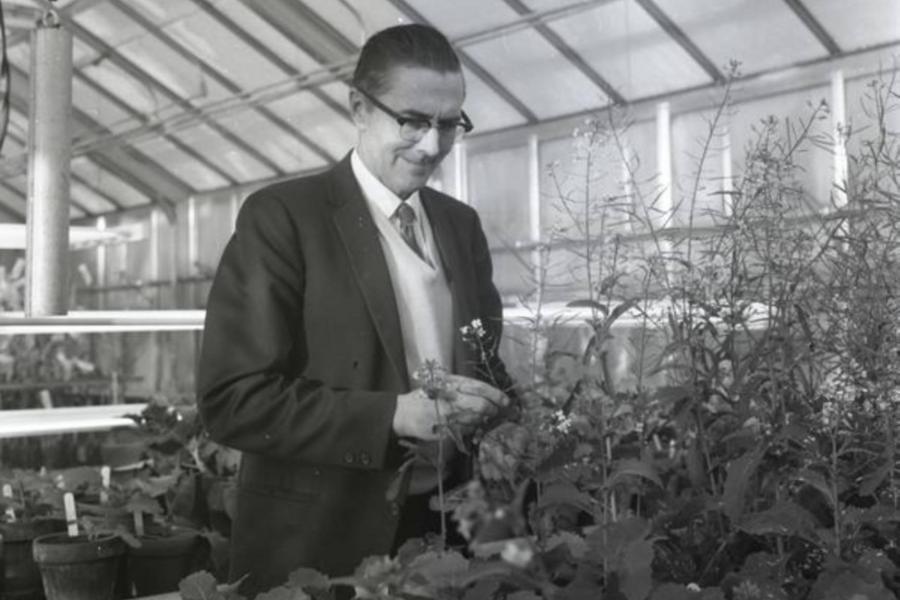
Baldur Stefansson, a UM graduate and professor in the Department of Plant Science, registers Tower, the first variety of “Canadian oil” or “canola".
Canola refers to a particular group of rapeseed varieties in the mustard family. These rapeseed plants are ancient and were long prized in Europe and Asia for their oil content but were unsuitable for human or animal consumption. Stefansson led a team that meticulously crossbred rapeseed varieties and they found a crop that produced excellent food-grade oil and thrived in temperate climates.
Today, Stefansson is known as the “father of canola”, whose crop innovation is now exported to over 50 nations worldwide and is a billion-dollar industry.
1975 - Access Program established
The Access Program is established to open doors for individuals who have historically been excluded from post-secondary opportunities due to academic, social, economic and/or cultural barriers.
1977 - First female chancellor
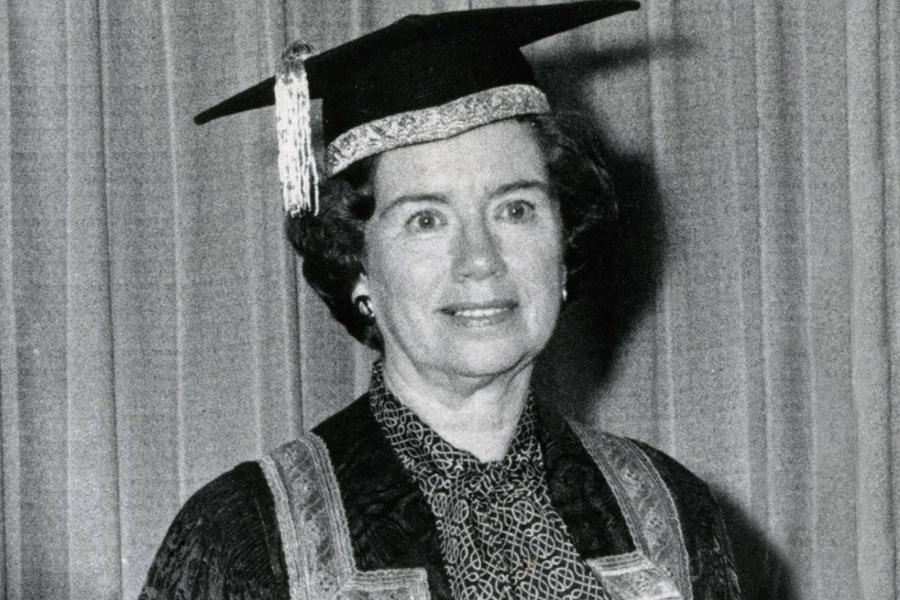
Isabel Auld becomes UM’s first female chancellor.
1977–2027 | Leadership, Truth and Reconciliation, global impact
In recent decades, UM has emerged as a globally recognized research institution grounded in social responsibility. Landmark achievements in health, climate science, and human rights have expanded the university’s impact far beyond Manitoba. At the same time, UM has confronted difficult truths in its history—advancing Truth and Reconciliation, accountability and Indigenous education as central commitments that continue to shape its path forward.
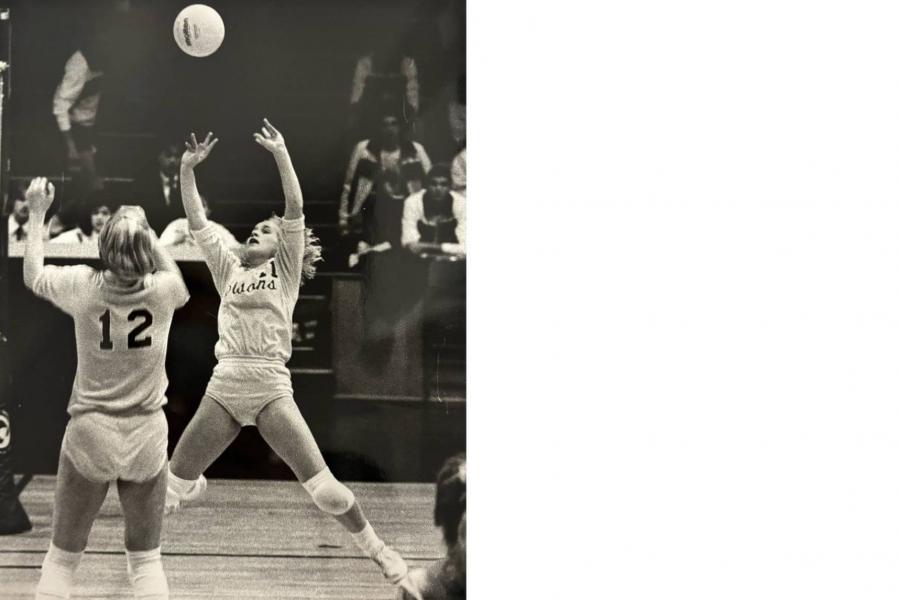
1980s - Volleyball champions
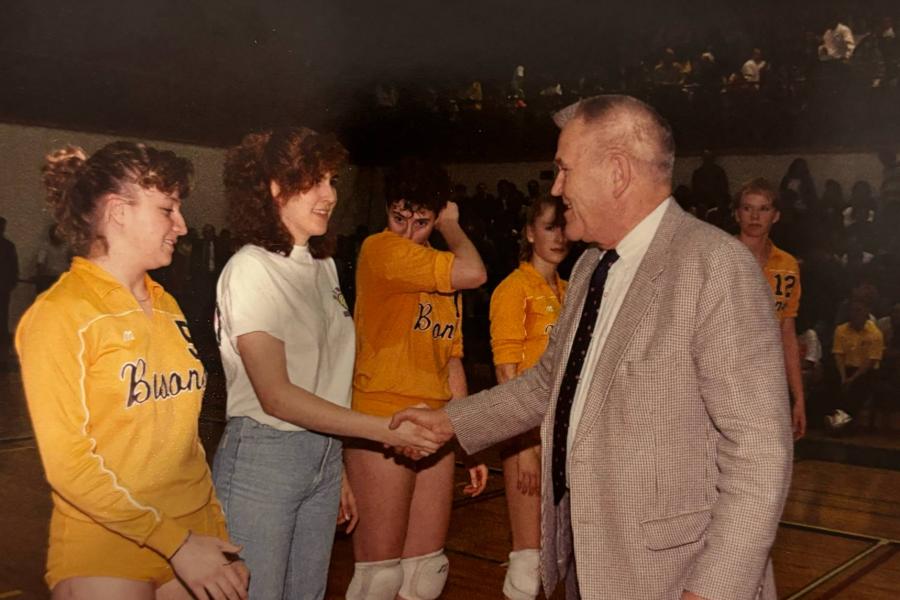
The Bisons women’s volleyball team are three-peat national champions between 1989 and 1992 and the men’s volleyball team are back-to-back national champions between 1983 and 1985.
1982 - Centre on Aging
The Centre on Aging is established at UM, the first research centre of its kind in Canada.
1991-92 - Duckworth Challenge
Harry Duckworth creates annual Duckworth Challenge between the University of Manitoba and University of Winnipeg’s volleyball and basketball teams.
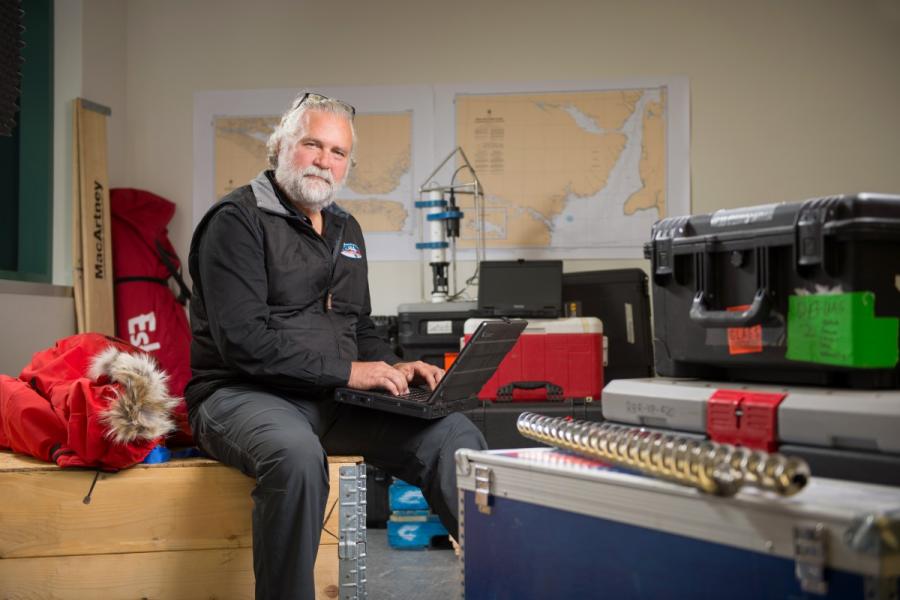
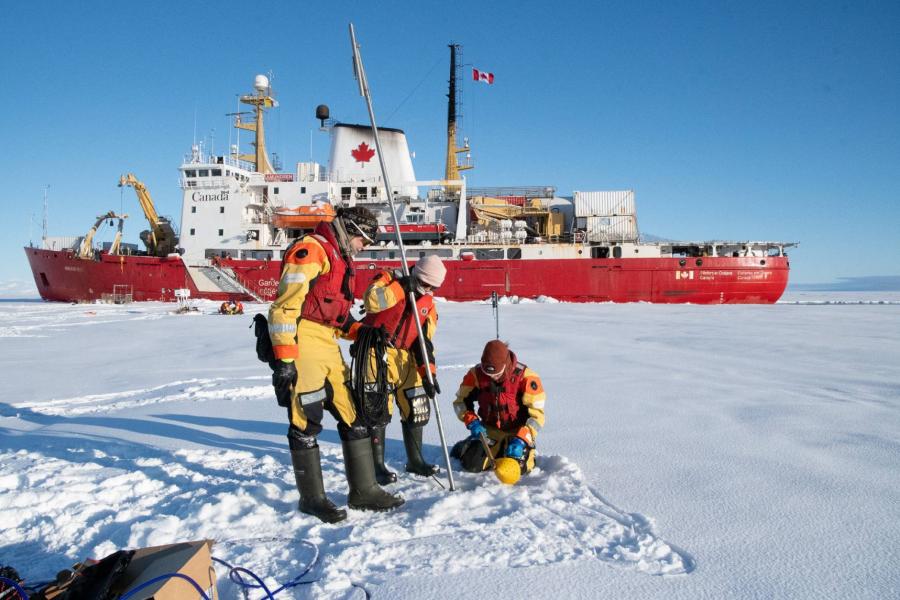
1994 - Centre for Earth Observation Science
UM faculty and alum Dr. David Barber [BPE/82, MNRM/88] establishes the Centre for Earth Observation Science. It becomes one of the top Arctic climate research centres in Canada and the world over the next 25 years.
1996 - First female president
Dr. Emőke Szathmáry becomes UM’s 10th president and is the first woman to hold the position.
1997 - Red River Valley flood
During the Red River Valley Flood, UM houses nearly 700 evacuees. Civil engineering professor Jay Doering (now Dean Emeritus, Engineering) was seconded to the provincial Task Force on Flood Management.
2007 - HIV research
UM’s Dr. Stephen Moses co-led a study showing that circumcision reduced the risk of HIV infection by 50 to 60 per cent in men who had heterosexual sex. This insight was named as the top medical breakthrough of the year by Time magazine.
2008 - Migizii Agamik — Bald Eagle Lodge opens
Migizii Agamik — Bald Eagle Lodge opens on Fort Garry campus, offering a dedicated space for Indigenous students.
2008 - Historic donation for Faculty of Music
Marcel Desautels [BA(LatPh)/55, LLB/59, LLM/65, LLD (Hons)/99] gifts $20M to UM’s music faculty—one of the largest private donations to a music faculty in Canadian history.
2008-2015: Truth and Reconciliation Commission of Canada (TRC)
Led by the Honourable Murray Sinclair [LLB/79, LLD/02] as chief commissioner, the TRC collects over 6,500 testimonies from residential school survivors. The publication of the TRC’s findings, including the landmark 94 Calls to Action, have become guiding principles in Canada’s ongoing journey toward Truth and Reconciliation. Sinclair advocated for the establishment of a permanent home for the TRC’s records, testimonies, and research findings, laying the groundwork for the founding of the National Centre for Truth and Reconciliation, which officially opened at the University of Manitoba in 2015.
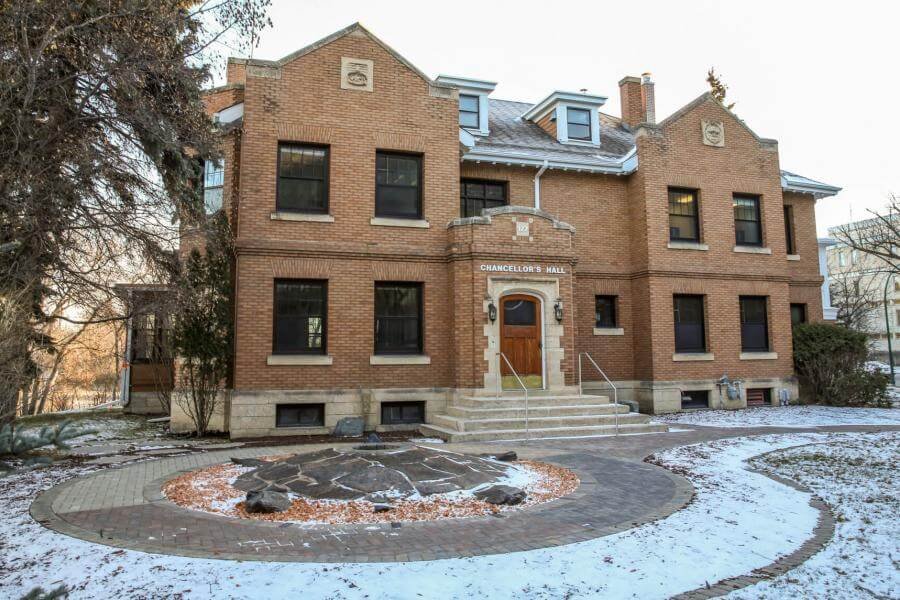
2015 - National Centre for Truth and Reconciliation
The Fort Garry campus becomes home to The National Centre for Truth and Reconciliation (NCTR), housing thousands of statements, documents, and physical artifacts chronicling the history of Canada’s residential schools and the experiences of its survivors.
Later this same year, UM signs the Manitoba Collaborative Indigenous Education Blueprint, committing to making excellence in Indigenous education a priority.
In 2022, a new, permanent home for NCTR was announced in the Southwood lands on Fort Garry campus.
2017 - First Indigenous health research centre in Canada
Launch of Ongomiizwin – Indigenous Institute of Health and Healing, the first Indigenous health research centre in Canada. Its roots date back to 1969 when the physiology department’s Northern Medical Unit operated as an outreach physician service program for Northern Manitoba and a few hamlets in Nunavut.
2019 - Master of Human Rights
Creation of the Master of Human Rights program, the first graduate degree program in human rights in Canada.
2019 - Nobel Prize-winning alum
Dr. Jim Peebles [BSc(Hons)/58] wins the Nobel Prize in Physics.
![Dr. James Peebles [BSc(Hons)/58, DSc/89]](/sites/default/files/styles/3x2_900w/public/2022-06/james-peebles-news.jpg?itok=PjNMB65l)
2015-2020 - Front and Centre Campaign
The largest philanthropic endeavour in Manitoba’s history, raises $626,260,909 for Indigenous achievement, research excellence, the student experience, and infrastructure.
Some of the main gifts received include: Ernest [BComm/58, LLB/62, LLD/15] and Evelyn [BA/60,BSW/61, MSW/67] Rady’s $30M donation to the health sciences faculty; Dr. Gerald [DMD/66, LLD (Hon)/02] and Reesa Niznick’s $7.5M gift to dentistry; $20M donated by Dr. Gerry [BSc(ME)/70, MSc/72, LLD(Hon)/17] and Barbara Price [BHEc/69, CertEd/70] to the engineering faculty; $10M from the Richardson Foundation for classroom and lab upgrades; and a $5M entrance bursary from the Asper Foundation, supporting 200 undergraduate students annually.
UM’s previous philanthropic campaign, Building on Strengths, wrapped in 2014 and surpassed its $200 million goal by raising more than $237 million.
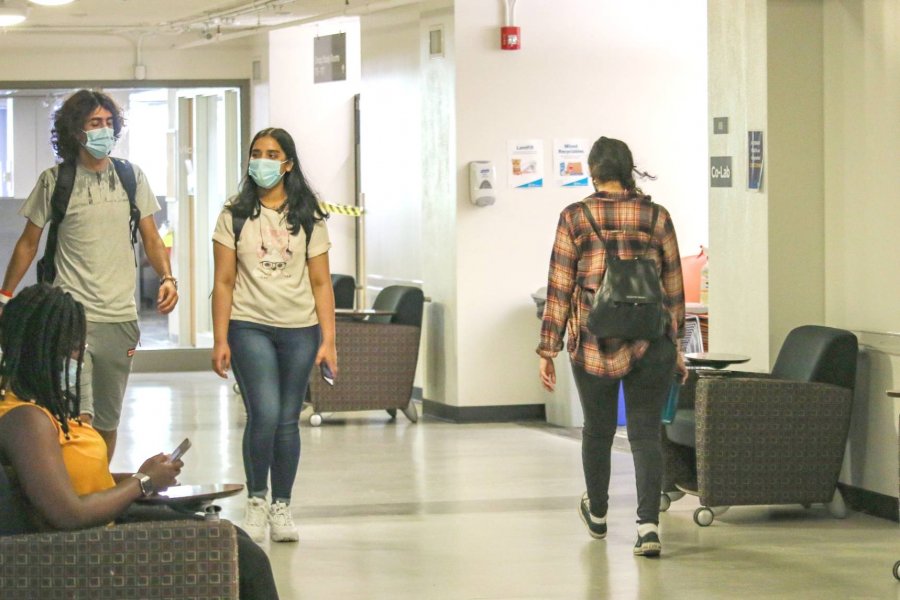
2020 - COVID-19 pandemic
The global COVID-19 pandemic prompts UM to close its buildings on Mar. 23 to stop the virus’ spread. Students, faculty and staff adapted to remote working and learning, developing innovative ways for connection. UM researchers investigated how to limit transmission, reduce impact on patient care, and create resources for health care professionals. Dr. Joss Reimer [MD/08, MPH/13] was medical lead for Manitoba’s COVID‑19 Vaccine Task Force, overseeing the most successful vaccination program in the prairie provinces. Her efforts were recognized nationally in 2026 when she was named Canada’s Chief Public Health Officer.
2020 - UM’s 12th president
UM's current president, Dr. Michael Benarroch was appointed in July 2020. He previously served as dean of the I.H. Asper School of Business.
2020 - Office of the Vice-President (Indigenous)
The Office of the Vice-President (Indigenous) is established, with Dr. Catherine Cook as inaugural Vice-President (Indigenous).
2023 - UM's 100th Rhode Scholar
School of Art student Joel Nichols is UM’s 100th Rhode Scholar. UM has produced more Rhodes Scholars than any other university in western Canada.

2024 - Bill & Melinda Gates Foundation donation
The Bill & Melinda Gates Foundation donates $12.5M to expand the work of UM’s Institute for Global Public Health. In total, the Foundation has given over $450M to the university—the most to any Canadian post-secondary institution.
2024 - Respectful Rematriation and Repatriation
President Michael Benarroch publicly apologizes for the university’s history of inappropriate acquisition and housing of Indigenous ancestral remains, burial belongings and cultural heritage. The Respectful Rematriation and Repatriation policy and wise practices/guiding procedures is created to acknowledge history; ensure rematriations are completed; and make a commitment that these offensive practices will never happen again.
2024 - First Lavender Grad
First Lavender Grad held for UM 2SLGBTQIA+ community, the second of its kind in Canada.
2024 - Churchill Marine Observatory opens
The Churchill Marine Observatory opens as a multidisciplinary research facility for studying the detection, impact and mitigation of oil spills and related contaminants in sea-ice-covered waters.

2024 - Federal Research investment
UM receives the largest federal research investment in its history. The $57M will support world-leading vaccine and biomanufacturing research and build two new innovative facilities on UM campuses.
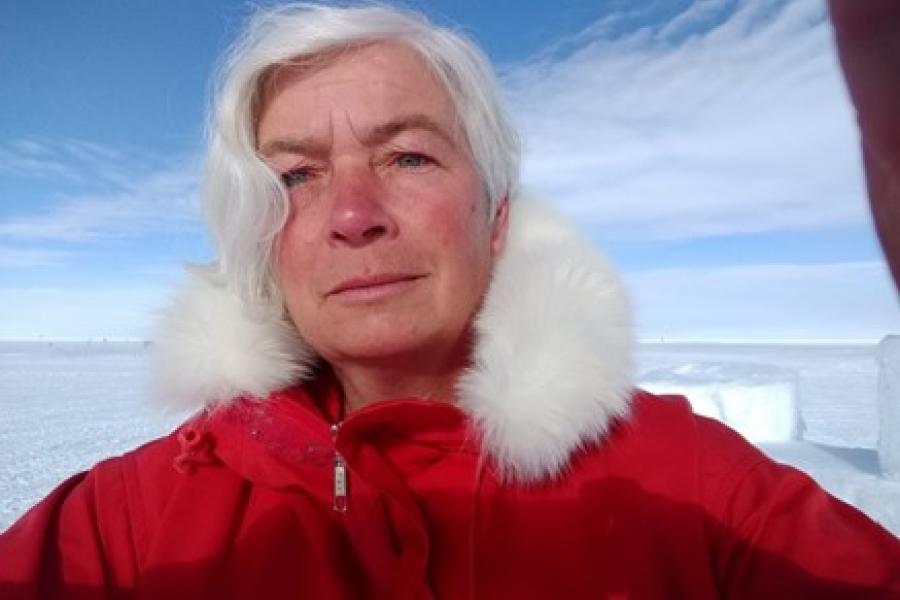
2025 - New clues into Earth's climate history
Dorthe Dahl-Jensen, the Canada Excellence Research Chair in Arctic Sea Ice, Freshwater-Marine Coupling and Climate Change at UM, is part of the international team which extracted the world’s longest ice core in Antarctica, providing new clues into Earth’s climate history.
2026 - Top six in Canada
In TIME’s 2026 World’s Top Universities list, UM ranks among the top six universities in Canada, earning a global ranking of 136. It consistently ranks strongly in the areas of food science and technology; health and life sciences; agriculture, environment and sustainability; and global impact.