
Elders and Traditional Peoples Gathering
The Elders and Traditional Peoples Gathering is an opportunity to learn from Indigenous Elders and share traditional knowledge and teachings with the UM campus and wider community.
Thank you to all who joined us in 2026. More information on the next Gathering coming soon.
Registration and event details
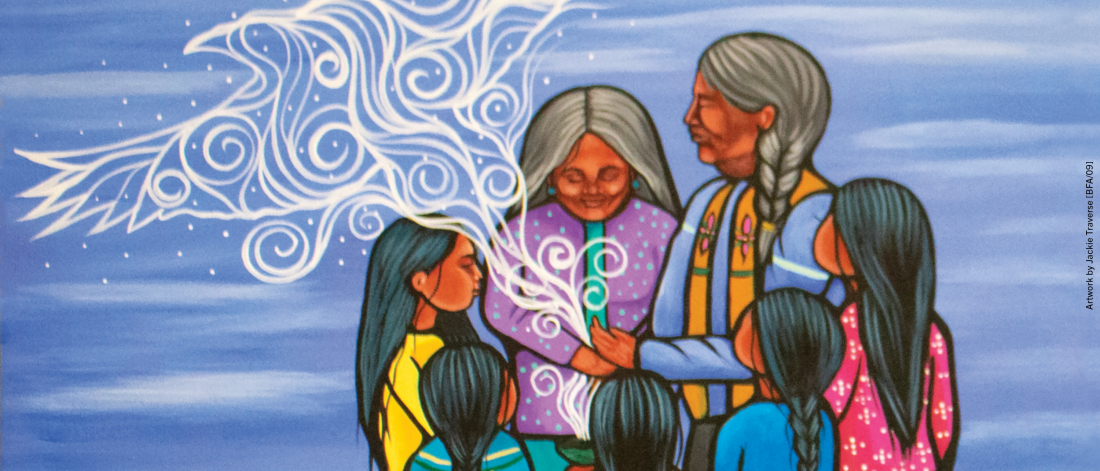
Honouring the Elders and many hands who have shaped this gathering over the past two decades, this year’s theme is "Ancestral Voices Guide Us".
We look forward to welcoming you at this cultural learning event to renew spiritual, mental, emotional and physical wellness through stories, teachings and traditional knowledge.
Background
The University of Manitoba's annual Elders and Traditional Peoples Gathering began in 2002 with the Department of Native Studies (now Indigenous Studies). As it grew, a larger planning committee was formed and the gathering was hosted for many years by the Indigenous Student Centre. With support from the Indigenous campus community, the event is now hosted by Cultural Integration.
Sessions
Select a date to expand and view each day’s schedule.
The event schedule is subject to change. We recommend checking back regularly for the most up-to-date schedule and session information.
The Buller lawn outdoor gathering space will be home to two Tipis and sacred fire, as well as an outdoor visiting area with an additional fire. It is located on Buller Lawn (outside University Centre, northeast side). Please dress appropriately for the weather if you plan to spend time in this space.
Thursday, March 5, 2026
Time | Item | Speaker(s) | Location |
| All day | Visiting in the outdoor gathering space | Buller lawn outdoor gathering space (outside University Centre, northeast side) | |
| 6:30 a.m. | Sacred fire | Buller lawn outdoor gathering space | |
| 7:30 a.m. | Registration opens | Hallway outside the Multi-purpose room | |
| 8:00 a.m. | Opening Pipe and Water Ceremony | Multi-purpose room | |
| 9:30 a.m. | Break | ||
| 10:00 a.m. | Welcoming remarks and opening | Carl Stone, Vanessa Lillie, Michael Benarroch, President and Vice-Chancellor, and Angie Bruce, Vice-President (Indigenous) | Multi-purpose room |
| 11:00 a.m. | Keynote: Importance of youth learning traditional knowledge from Elders | Dan Thomas | Multi-purpose room |
| 11:00 a.m. - 3 p.m. | Maker and quiet space | 5th floor University Centre (543-544)
| |
| 12:00 p.m. | Lunch | Multi-purpose room | |
| 1:00 p.m. | Concurrent sessions: | "Willow Basket: A touchable piece of a community that can come to represent the people themselves" by Andrea Redsky | EITC 3 - 262 (Senate Chambers)
|
| "Reclaiming Identity Through Our Names and Stories" by Karen Courchene | EITC E2 - 229 | ||
| "Spirit of Language" by George Muswaggon and Margaret Lavallee | Multi-purpose room | ||
| "Our Shared Cultural and Intellectual Heritage" with Indigenous Librarians, Lyle Ford, Sarah Lee and Shirley Delorme Russell | Elizabeth Dafoe Library, 3rd floor, Archives Classroom | ||
| "Indigenous Voices in Colonial Collections" with Archivist, Heather Bidzinski | Elizabeth Dafoe Library, 3rd Floor, Archives | ||
| "Li boom ti" with Charlotte Nolin | Buller lawn outdoor gathering space | ||
| 2:00 p.m. | Break | ||
| 2:30 p.m. | Keynote: Fireside Chats | Tom Porter (virtual) and Carl Stone | Multi-purpose room and online (zoom*) |
| 3:30 p.m. | Closing day 1 | Carl Stone and Vanessa Lillie | Multi-purpose room |
*Fireside chat zoom information
URL: https://ca01web.zoom.us/j/65302416862?pwd=6k0E1LX3Pm8xuG7sAALKmc427ylxOW.1
Passcode: 551391
Friday, March 6, 2026
Time | Item | Speaker | Location |
| All day | Visiting in the outdoor gathering space | Buller lawn outdoor gathering space (outside University Centre, northeast side) | |
| 9:00 a.m. | Registration opens | Hallway outside the Multi-purpose room | |
| 9:30 a.m. | Opening remarks | Carl Stone, Vanessa Lillie, and Christine Cyr, Associate Vice-President (Indigenous) — Students, Community, Cultural Integration and Leadership | Multi-purpose room |
| 9:45 a.m. | Qulliq lighting | Tagaaq Evaluardjuk-Palmer | Multi-purpose room |
| 10 a.m. - 2 p.m. | Come and go session | "Stories of the Fur Trade" with Chris Leforte | Buller lawn outdoor gathering space |
| 10:30 a.m. | Break | ||
| 10:45 a.m. | Concurrent sessions: | "Disconnecting to Connect" with Deb Chaboyer | Education building (room 200) |
| "Reclaiming Identity Through Our Names and Stories" by Karen Courchene | EITC 3 - 262 (Senate Chambers) | ||
| "Talk by Duncan" with Duncan Mercredi | 5th floor University Centre (543-544) | ||
| "History of 2S" with Albert McLeod | Multi-purpose room | ||
| "Our Shared Cultural and Intellectual Heritage" with Indigenous Librarians, Lyle Ford, Sarah Lee and Shirley Delorme Russell | Elizabeth Dafoe Library, 3rd floor, Archives Classroom | ||
| "Indigenous Voices in Colonial Collections" with Archivist, Heather Bidzinski | Elizabeth Dafoe Library, 3rd Floor, Archives | ||
| "Métis stories of the land" with Norman Meade | Buller lawn outdoor gathering space | ||
| 12:00 p.m. - 2 p.m. | Maker and quiet space | 5th floor University Centre (543-544)
| |
| 12:00 p.m. | Lunch | Multi-purpose room | |
| 1:00 p.m. | 20th Anniversary Panel | Carl Stone, Christine Cyr, Peter Kulchyski, and Tagaaq Evaluardjuk-Palmer | Multi-purpose room |
| 2:00 p.m. | Slideshow presentation | Carl Stone, Vanessa Lillie and April Bruyere | Multi-purpose room |
| 2:30 p.m. | Closing Remarks | Carl Stone and Vanessa Lillie | Multi-purpose room |
Elder and Presenter profiles
Select a name to expand and view the Elder and Presenter profiles.
Deb Chaboyer
Two-Eyed Seeing Red River Metis University of Manitoba Alumna and Hypnotherapist with a diverse career in Leadership, Adult Education, Student Services, Indigenous Social Services, and Counselling.
Deb’s life and work reflect a deep commitment to walking in two worlds: integrating Indigenous knowledge systems with academic and professional practice to promote wellness, understanding, empowerment, resilience, and cultural safety.
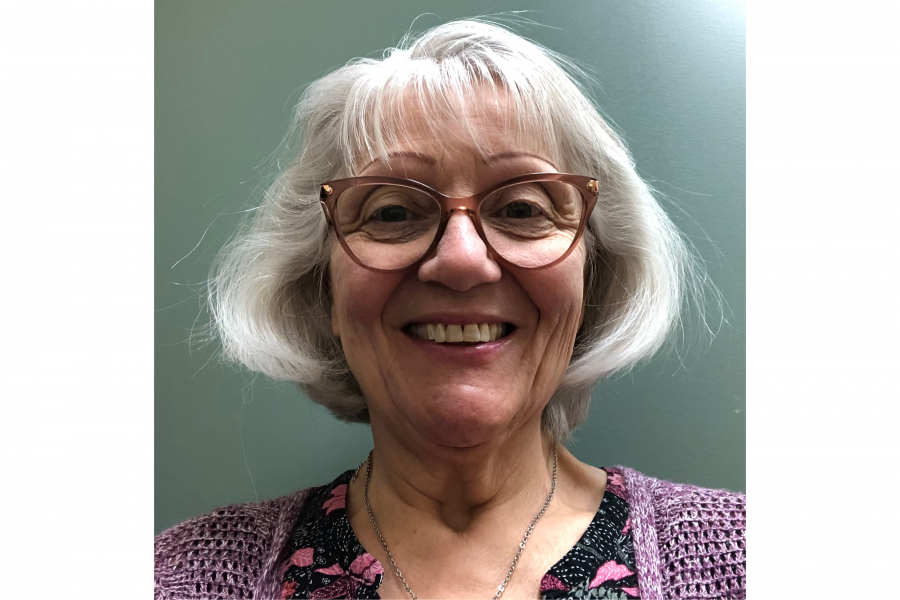
Karen Courchene (Ozhawskwa Bineshii Anakwud)
Karen Courchene, Ozhawskwa Bineshii Anakwud, is Anishinabe from Treaty One Territory; Sagkeeng/Peguis. She is the Grandmother-in-Residence at Migizi Agamik, the Indigenous Student Center at the University of Manitoba.
Prior to coming into this role, Karen was an educator for over thirty years, working in many areas of education. She is an alum of the University of Manitoba. Karen is a mother, grandmother, and great-grandmother. In her role as Grandmother-in-residence, Karen does her best to support the students in any way she can.
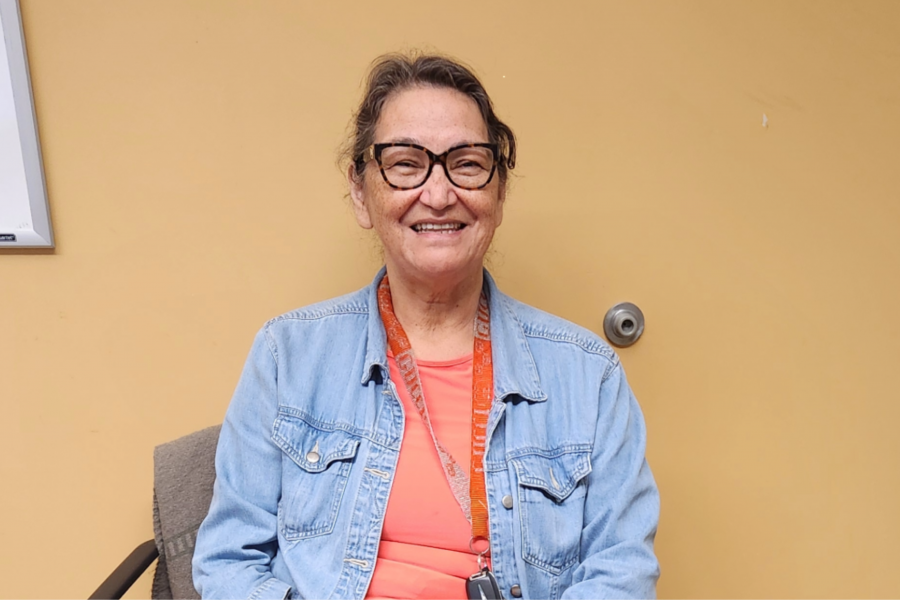
Tagaaq Evaluardjuk-Palmer
Tagaaq Evaluardjuk-Palmer is one of the last generation of Elders born and raised out on the traditional lands of the Inuit. During her youth, Tagaaq survived in a natural environment with her family before they were relocated to Frobisher Bay, Nunavut by the Government of Canada. This resulted in a culture shock as many families were removed from their traditional lifestyles and placed into a settled Canadian styled community.
As a child Tagaaq attended the Apex Federal Day School from 1960 to 1967, then attended Churchill Vocational School from 1967 to 1968 and went on to Keewatin Community College for Office Management. Tagaaq has sat on many boards such as the YMCA, the Mid-Wifery Training Program, the Manitoba Inuit Association Band, Inuit Health Research Committee, and the National Centre for Truth and Reconciliation's Survivors Circle.
Tagaaq is a grandmother and great-grandmother who enjoys being involved in community events and educational programming whenever she can.
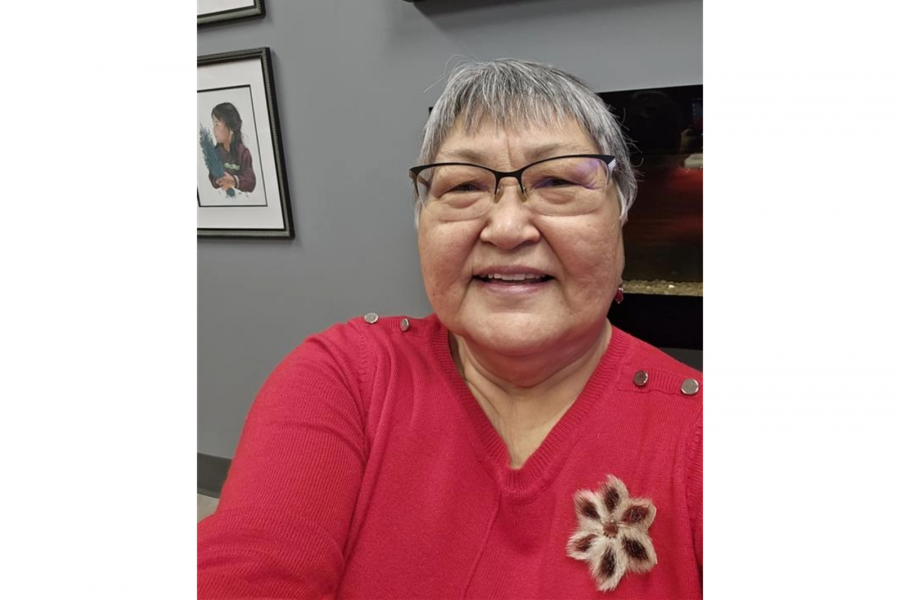
Margaret Lavallee
Margaret Lavallee is an Anishinaabe Ikwe from Sagkeeng First Nation and an Elder in Residence at Ongomiizwin Education from the Indigenous Institute of Health and Healing at Rady Faculty of Health Sciences, University of Manitoba.
Margaret’s experience comes from over 40 years in varied Human Relations responsibilities within the health care field. Margaret holds a degree in Bachelor of General Studies from Brandon University. She was also honoured by the University of Manitoba, Rady Faculty of Health Sciences with an honorary doctorate degree for her lifelong work for the Indigenous community in the health care field. Margaret’s role as Elder in Residence for the last 17 years ensures Indigenous knowledge and world views are incorporated into all levels of student support at the University of Manitoba. Margaret assists with research, classroom presentations, and traditional cultural teachings for both staff and learners.

Albert McLeod
Albert McLeod is a Status Indian with ancestry from Nisichawayasihk Cree Nation and the Metis communities of Cross Lake and Norway House in northern Manitoba.
He has over thirty years of experience as a 2Spirit/Indigenous LGBTQI+ human rights activist and was one of the founders of the 2-Spirited People of Manitoba. He was the director of the Manitoba Aboriginal AIDS Task Force from 1991 to 2001. In 2018, Albert received an Honorary Doctor of Laws from the University of Winnipeg. Albert was also a member of the sub-working group that produced the 2SLGBTQQIA+ Action Plan (2020-2021) for Canada’s national inquiry into Murdered and Missing Indigenous Women and Girls (MMIWG).
In 2020, Albert joined Team Thunderhead, the team that recently won the international competition to design the 2SLGBTQI+ National Monument in Ottawa. He is a current cultural advisor and historian to Communities Alliances and Networks for Indigenous Responses to HIV-STBBI (CAAN).
Albert lives in Winnipeg, where he works as a consultant specializing in Indigenous peoples, HIV/AIDS research, 2Spirit re-emergence, cultural reclamation, and cross-cultural training. 2spiritconsultants.ca
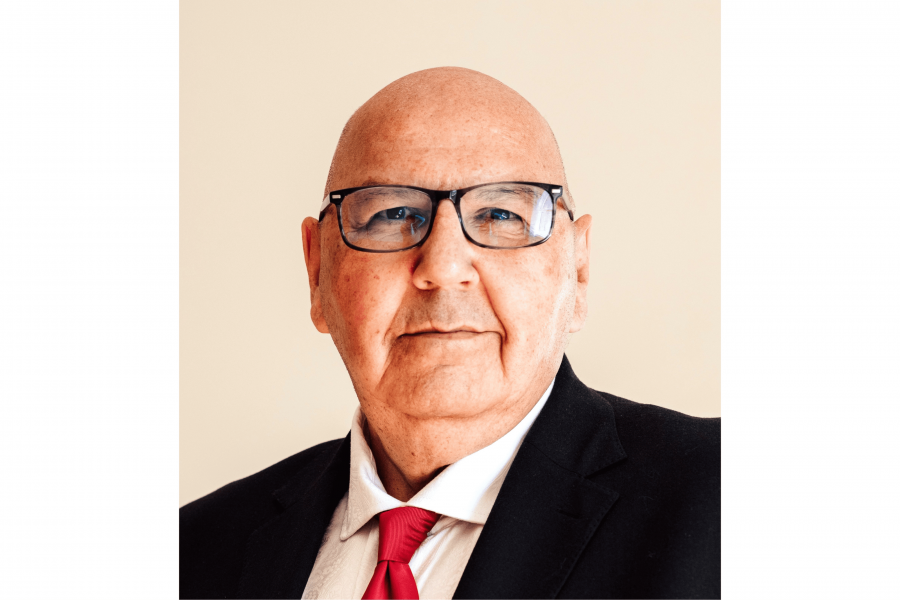
Norman Meade
Norman was born in Bissett, Manitoba, but grew up in the Metis settlement of Mangotagan. He went to the public school in Manigotagan, the Ojibway word for Bad Throat School. He finished Grade 9 in Manigotagan and then went to the San Antonio High School in Bissett.
In the early 1960's, Norman was hired at the gold mine in Bissett where he worked as a labourer and eventually became a full-fledged miner.
During this time, Norman met Thelma Barker of Hollow Water First Nation whom he married in 1967. They have two children and six grandchildren.
In his later years, Norman continues to be active in the community serving as an Elder and a Pastor. He serves on various boards in the city of Winnipeg. He is also an avid curler and is the founder of the Aboriginal Curling League of Winnipeg.
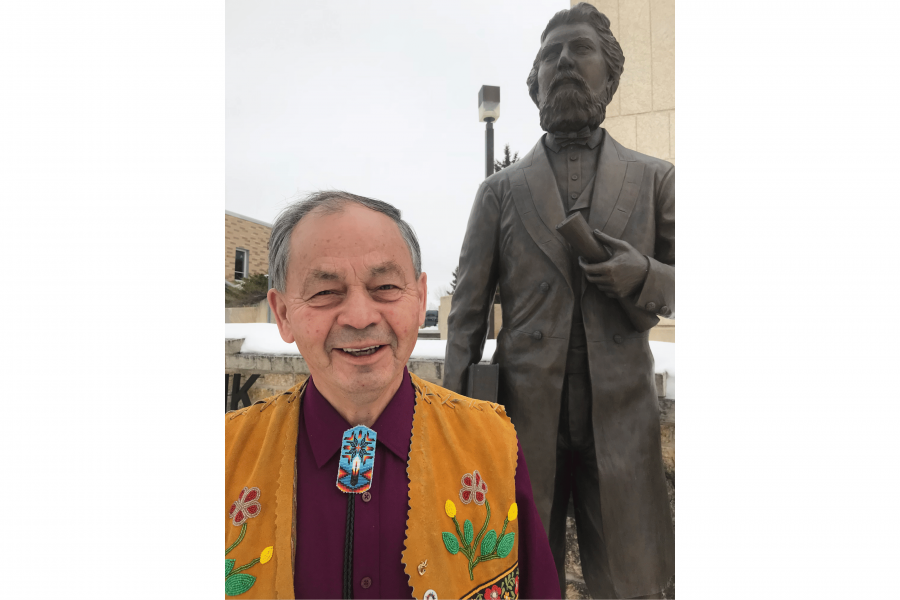
Duncan Mercredi
A prolific Cree and Métis poet, Duncan Mercredi was born and grew up in Misipawistik (Grand Rapids, Manitoba). At sixteen, he moved to Cranberry Portage, Manitoba, where he attended high school, and moved to Winnipeg shortly thereafter. In 2020, he became the second Poet Laureate of Winnipeg. In 2021, he won the Manitowapow Award at the Manitoba Book Awards.
Duncan currently has six published poetry collections, and his forthcoming collection, Only the Scent of You Remained, launched at Mcnally Robinson on September 23 as part of the Winnipeg Writers Festival. All of Duncan’s currently published books are available for borrowing from UM Libraries.
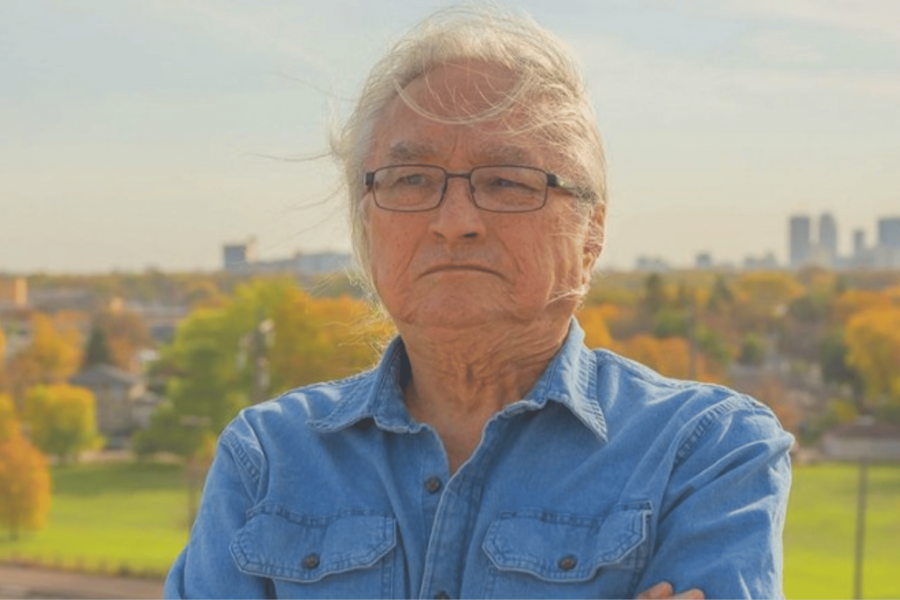
George Muswaggon
Traditional Knowledge Keeper George Muswaggon is from Pimicikamak in Treaty 5 territory. His home community is Cross Lake, which is one of several communities that encompass Pimicikamak. He is a strong advocate for preserving and up-lifting language and Indigenous cultural practices.
At a young age he took on leadership roles. First as an elected councilor in Pimicikamak, for four terms. Before becoming the First Grand Chief of Manitoba Keewatinowi Okimakanak. He has extensive knowledge and experience in various ceremonies and land-based teachings.
George is now a knowledge Keeper-in-residences with Ongomiizwin Education, where he supports Indigenous Learners in the Facility of Rady Health Sciences and offers cultural and spiritual guidance to the wider students, faculty and staff.

Charlotte Nolin
Elder Charlotte Nolin was born in the Red River settlement, what we know call Winnipeg, and is a Proud Red River Metis Citizen. Elder Charlotte is a survivor of the “Sixties Scoop” and a member of the 2Spirit community. Charlotte grew up in an era when homes were still heated with wood stoves and remembers the smell of lye soap being made every fall when the pigs were butchered. Charlotte’s journey took her across most of Canada from the city of Quebec all the way to Victoria BC.
Charlotte worked in the construction industry, and in the field of social work supporting families, youth, and children. Currently, she is an elder in residence at Ongomiizwin Educations, supports Indigenous Learners in the Facility of Rady Health Sciences and offers cultural and spiritual guidance to the wider students, faculty and staff.
Following the passing of her wife 13 years ago, Elder Nolin realized that life is short and it’s important to make a positive impact while we’re here. She is a strong advocate for 2SLGBTQQIA+ community in everything that she does, returning to our traditional ways of life and land conservation. In 2020, with her sister Barbara Bruce started the 2Spirit Sundance, the first of its kind.
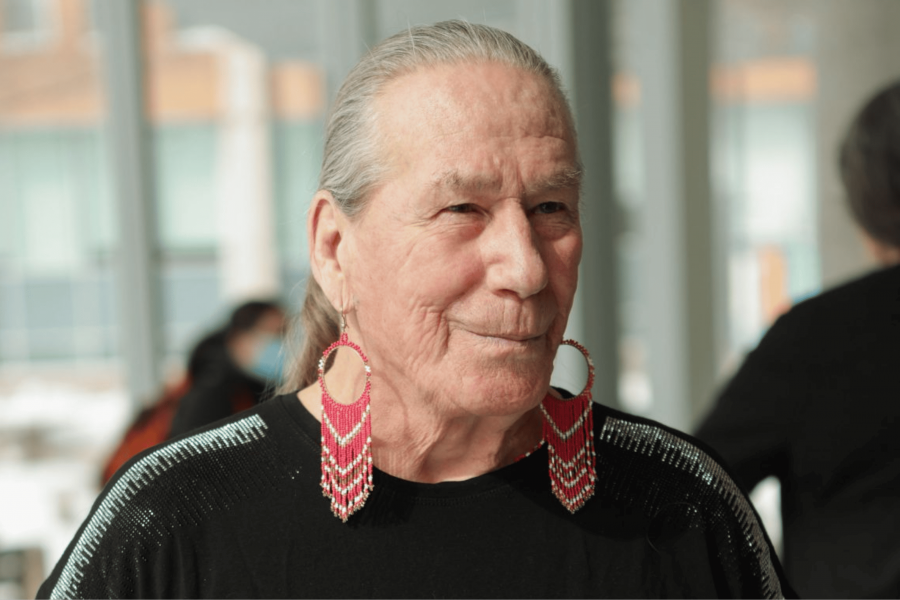
Thomas R. Porter (Sakokwenionkwas “The One Who Wins”)
Thomas R. Porter (Sakokwenionkwas “The One Who Wins”) was the founder, spokesperson and spiritual leader of the Mohawk Community of Kanatsiohareke (Ga na jo ha lay gay) located in the Mohawk Valley near Fonda, New York since 1993. He is a member of the Bear Clan of the Mohawk Nation at Akwesasne. (Akwesasne, also known as the St. Regis Mohawk Reservation, straddles the New York State/Canadian border near Massena, New York.) He is married to Alice Joe Porter who is Choctaw. They have six children.
Mr. Porter held the position of sub-chief for the Tehanakarine Chieftainship title, one of the nine chief titles of the Mohawk Nation, for 21 years (1971-1992). He was the director of and a teacher at the Akwesasne Freedom School and taught at the Kahnawake Survival School. He taught Mohawk language, philosophy and history at both schools as well as carpentry at Kahnawake. Mr. Porter worked as secretary for the Mohawk Nation Council of Chiefs for 8 years and as interpreter for 11 years. Mr. Porter organized the “White Roots of Peace”, a traveling multi-media communications group designed to revitalize Native traditions and beliefs in North America. Mr. Porter was the Native American consultant for the New York State Penitentiary System and Chaplain for all of the Native inmates in the New York State Penal System for 10 years.
Mr. Porter has authored various books and pamphlets, all of which teach about Mohawk traditions and spirituality. Most of them are available through the Craft Store at Kanatsiohareke.

Andrea Redsky
Andrea Redsky is a band member of Shoal Lake 40 in Ontario. She most recently taught middle years in Shoal Lake First Nation. She began her career as a high school teacher by teaching high school mathematics and science. She worked for the Winnipeg school division for 20 years. She was a principal, vice principal, guidance counsellor and resource teacher. Andrea has also worked as a consultant creating land based learning sites and a curriculum.
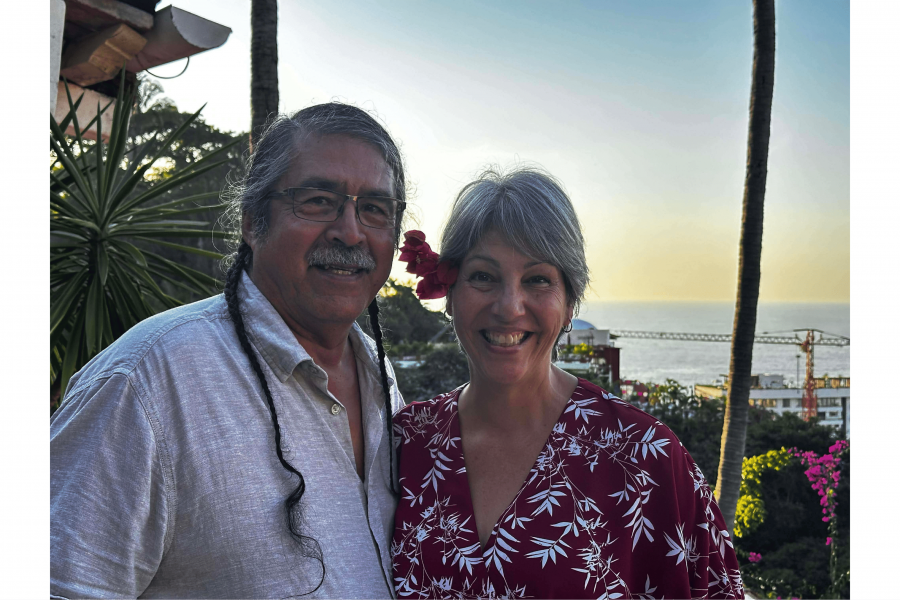
Carl William Stone
Carl William Stone (BA) was born on the Brokenhead Ojibway Nation and raised by his Grandmother Eliza Stone. She was a respected Elder and of the Anishinabe Midaywin Society.
For the last 45 years, Mr. Stone has been active in the reclaiming of the Anishinabe Spiritual and Cultural ways of his people. In the mid nineteen seventies (1970’s), Carl was one of two young men of the Brokenhead Ojibway Nation who played a role in bringing back the Traditional Drum to Brokenhead Ojibway Nation. After 100 years of silence, the Brokenhead Drum sounded its voice once again.
Carl is currently retired but works as an Elder-in-Residence for the Indigenous Student Centre at the University of Manitoba two days a week. Carl also works in ceremonies such as the Sundance, Sweat lodge, and other ceremonies, he is an Elder’s helper, and guest lectures on traditional teachings and spirituality.
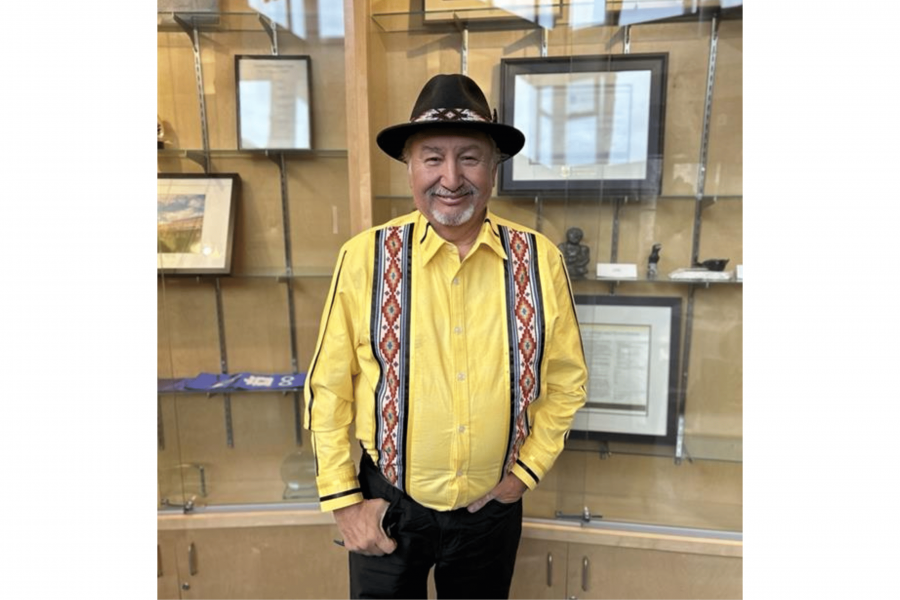
Doctor Daniel Thomas
Doctor Daniel Franklin Thomas is a band member of Sagkeeng First Nation. He was born at Matheson Island Manitoba. Dr. Daniel Franklin Thomas worked at the university of Winnipeg as an elder and an instructor. He tought a course called Indigenous Worldviews and Perspectives for the Masters in Development Practice program. He began his career as a teacher, became a consultant with Manitoba Education and later a specialist with Manitoba First Nations Education Resource Centre.
Daniel currently resides at Gull Lake Mb. and has on his property a ceremony ground with a Sweatlodge, Sundance and Mide Lodge. Each lodge offers an opportunity for individuals to heal, to connect with their identity and grow spiritually.
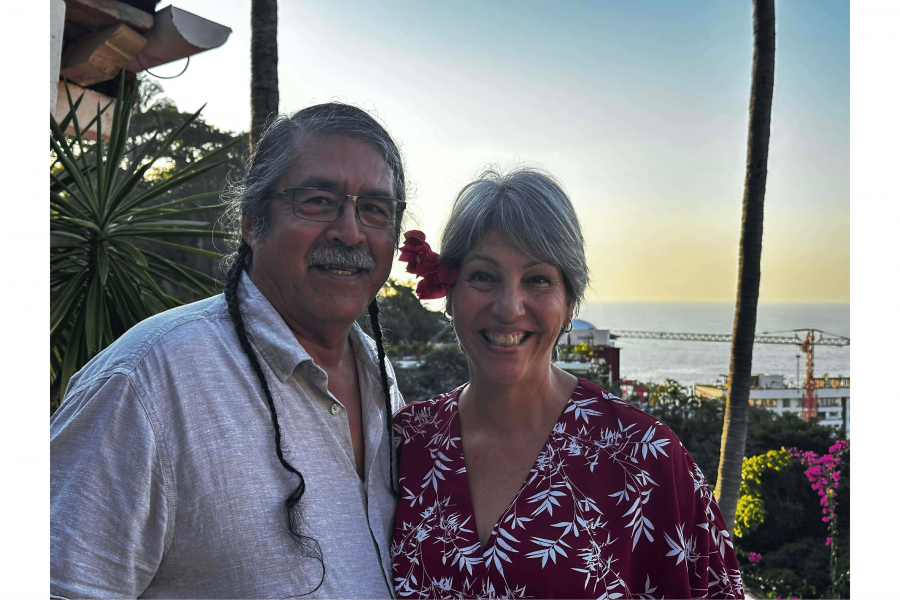
Peter Kulchyski
Peter Kulchyski grew up in northern Manitoba and was one of the few non-Aboriginal students to attend a government-run residential high school. He studied politics at the University of Winnipeg and has a PhD from York University. He is a senior Canadian scholars in Native Studies and has taught in Saskatoon, Peterborough, and the University of Manitoba.
Peter does research at the intersection of Indigenous culture, history, politics and law with a special emphasis on northern Canada. He has written, co-written or edited 10 books including Mode of Production: The Final Horizon of Practice and Theory (with Henry Heller) and numerous scholarly and popular articles and editorials. He is the co-editor of In the Words of the Elders: Aboriginal Cultures in Transition and co-author of Tammarniitt [Mistakes]: Inuit Relocation in the Eastern Arctic, which won the Erminie Wheeler-Voegelin Prize of the American Society for Ethnohistory.
Indigenous Student Makers Market
This student market showcases and celebrates the diverse gifts and culture of First Nations, Métis and Inuit UM students.
Support Indigenous students by visiting the Indigenous Student Market! Throughout the gathering, current UM Indigenous students will be showcasing and selling their creations outside the Multi-Purpose Room in University Centre.
Indigenous Student Market hours:
Thursday, March 5: 9:30 a.m. - 4:00 p.m.
Friday, March 6: 9:00 a.m. - 3:00 p.m.
Plan your visit
Access information and resources to help you plan your visit.
Parking
We expect a large turnout and parking will be limited. Please carpool or use rideshare when possible.
Special-rate reserved parking (SD West Lot): Guests are encouraged to park in the SD West lot, where reserved parking has been arranged for the Elders Gathering. From SD West, take the campus shuttle to be dropped off closer to main campus. Parking in SD West requires payment. The full-day special-rate is $8.00.
Parking Payment options:
- HONK mobile app
- Scan the QR code posted in the lot
- Pay at the meter in the SD lot near the Soccer Complex
Other campus parking: Other campus parking options are available; however, availability and rates are not guaranteed. There is no free daytime parking on campus. From 7:30 a.m. to 4:30 p.m., paid visitor parking is available at meters, Park & Pay areas, and the University Parkade.
Accessibility
Learn more about getting around on our campuses, and the accessible services available on the Accessibility webpage.
Explore the Accessibility on our campuses section for maps of accessible building entrances on the Fort Garry Campus.
Eat on campus
There are a variety of convenient, healthy and affordable options for dining on campus, including several options in the food court on the 100-level of University Centre.
Explore dining options on the Dining Services webpage.
Contact us
Cultural Integration (Indigenous)
University of Manitoba
Winnipeg, MB R3T 2N2 Canada