
Faculty, staff and researchers
Meet our acclaimed faculty, researchers and staff. Learn more about their contributions to climate science and how they are broadening the conversation about climate change and its impacts on us all.
The University of Manitoba campuses are located on original lands of Anishinaabeg, Ininew, Anisininew, Dakota and Dene peoples, and on the National Homeland of the Red River Métis. More
University of Manitoba
Winnipeg, Manitoba Canada, R3T 2N2
peer reviewed publications in the past 10 years
graduate students trained at CEOS
research grants in the past 10 years
authored policy documents, reports, and books in the past 10 years
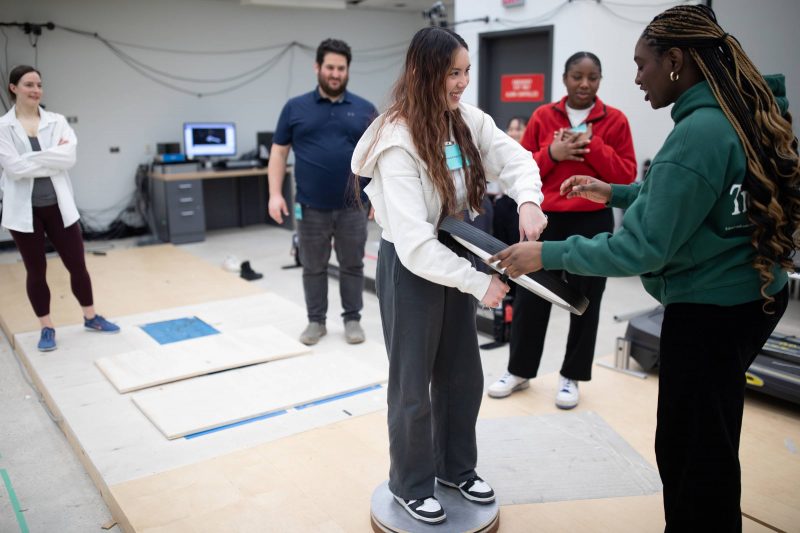
Research and International, Students
Clayton H. Riddell Faculty of Environment, Earth, and Resources, UM Today
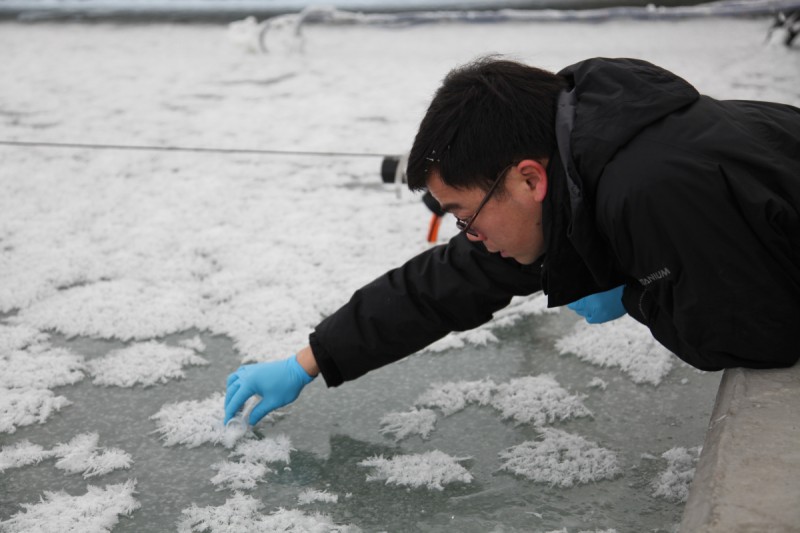
Clayton H. Riddell Faculty of Environment, Earth, and Resources, Donor Relations, Research and International, UM Today
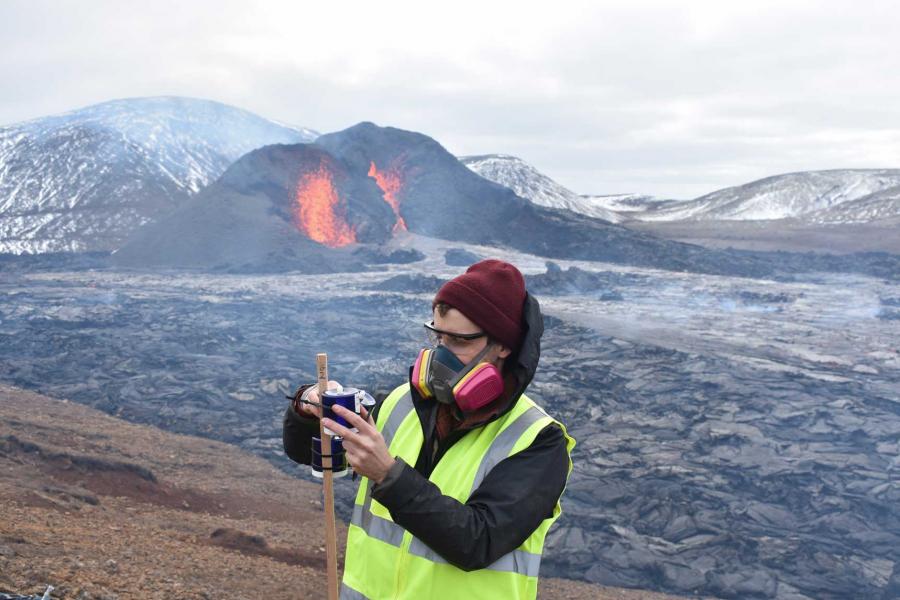
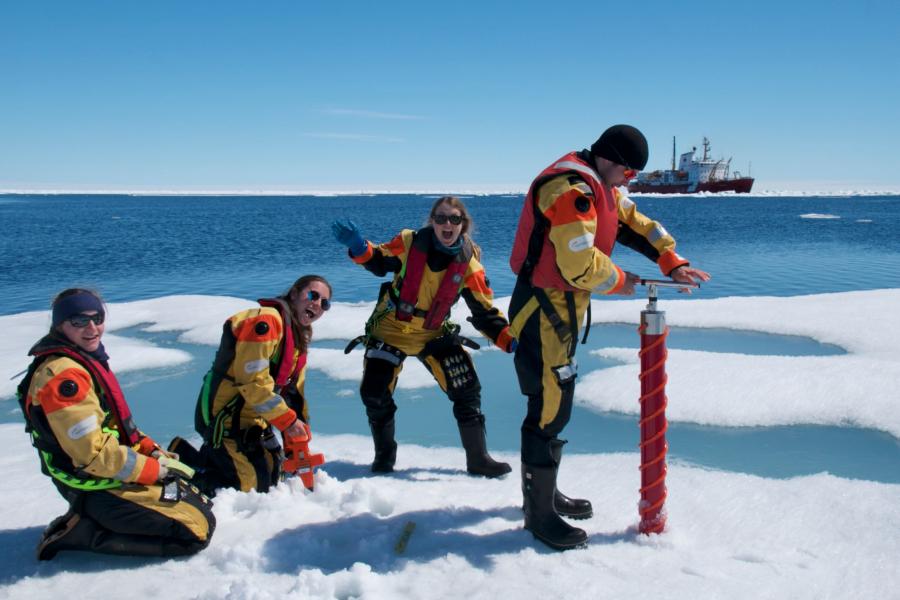
Students in CEOS conduct research that contributes to the global conversation on climate change and its effects on our planet. From their field research, they write stories and bring photos back from their experiences.
Meet our acclaimed faculty, researchers and staff. Learn more about their contributions to climate science and how they are broadening the conversation about climate change and its impacts on us all.
Any faculty member or research associate with affiliation to the University of Manitoba is welcome to join CEOS where there is good fit in research expertise, and there is a desire to positively contribute toward the development of proposals and the subsequent research in support of CEOS activities. Students supervised by CEOS members are encouraged to join CEOS.
Membership application
Dr. David G Barber founded the Centre for Earth Observation Science in 1994. Through his leadership, CEOS has grown into an internationally recognized multidisciplinary and collaborative centre studying the complex inter-relationships between the different systems on Earth. He was a visionary researcher, a scholar with an entrepreneurial spirit, and a generous mentor.
Centre for Earth Observation Science
535 Wallace Building
125 Dysart Rd.
University of Manitoba (Fort Garry campus)
Winnipeg, MB R3T 2N2 Canada