

News and stories
View more news and stories



Asper School of Business
What we offer




Departments
Asper’s academic programs are divided into five departments.
Accounting and Finance
The Department of Accounting and Finance offers undergraduate majors in accounting, finance, and management information systems (MIS). In addition, we offer MBA courses in each of these three areas, and a PhD program in finance. Our mission is to provide high-quality research, teaching and service to further knowledge and understanding of accounting, finance and MIS in a business setting. We deliver high-quality courses that challenge students to develop the critical thinking skills they need to be effective accounting and finance professionals or scholars.
Business Administration
Members of the Department of Business Administration aim to understand human behaviour in organizations and how organizations are designed and function to achieve human objectives. Our faculty and graduate students conduct research on micro- (e.g., leadership, negotiation), meso- (e.g., teams, organizational culture), and macro-level (e.g., business policy, organizational strategy) phenomena in organizations, as well as specific organizational functions (e.g., recruitment), cultural contexts, and institutional frameworks (e.g., industrial and business-government relations). Faculty members contribute to the curricula across our School’s B.Comm., MBA, MSCM, MFin, MSc, and PhD programs.
Marketing
The Asper School of Business Marketing Department is an intimate, collegial, research-focused unit. Our small size fosters an active and collaborative research environment and provides a competitive advantage for our professors to offer innovative courses and programming at the undergraduate and graduate level.
Supply Chain Management
The Asper School of Business Department of Supply Chain Management brings together academic experts in the field of logistics, management science, operations management and transportation. The department works directly with the Transport Institute under a joint mandate to develop a centre of excellence in transportation, logistics, and supply chain management.
Warren Centre for Actuarial Studies and Research
The Warren Centre for Actuarial Studies and Research provides students an opportunity to become an actuary while giving access to Asper’s business and management-oriented courses. Founded in 1912, the University of Manitoba's Actuarial Program is one of the oldest and most successful in North America.
Centres and partners





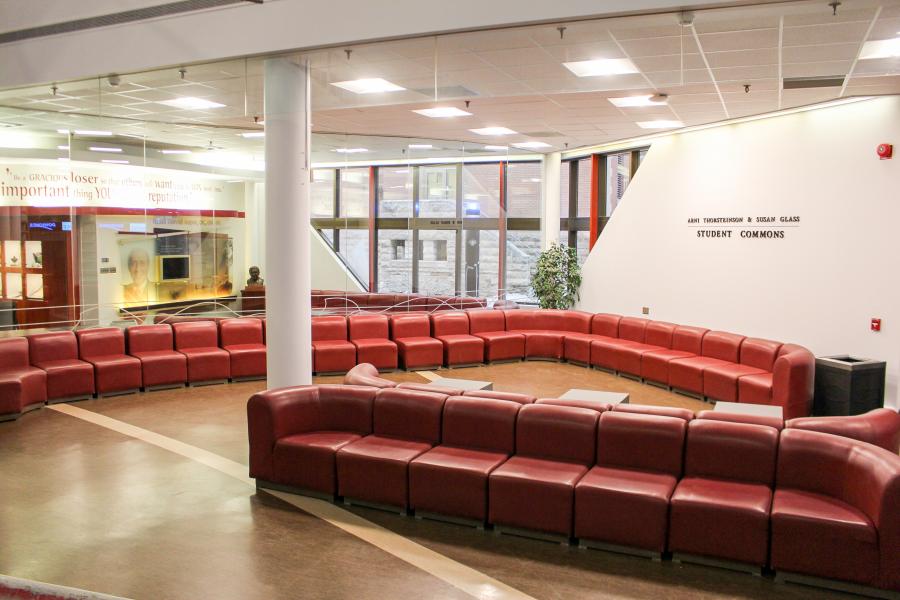
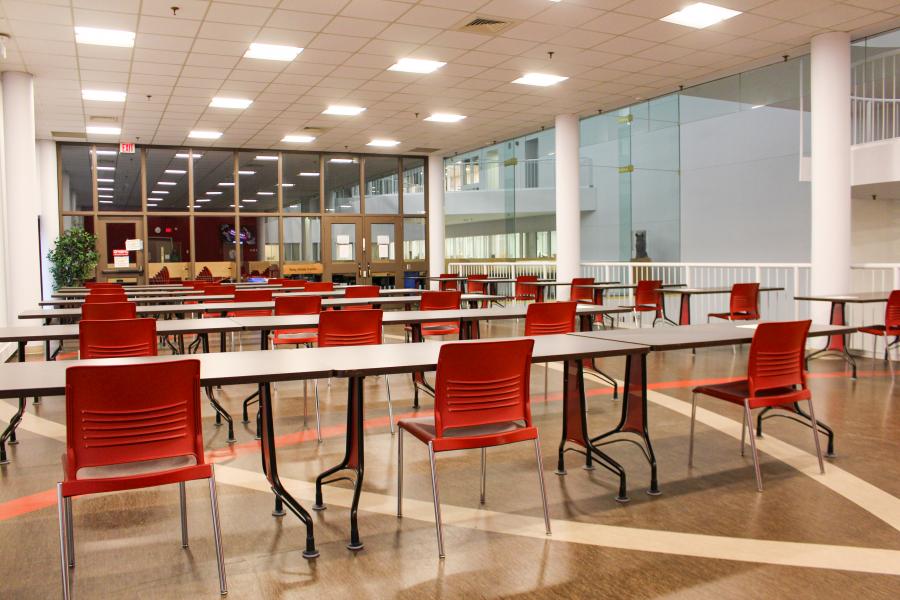
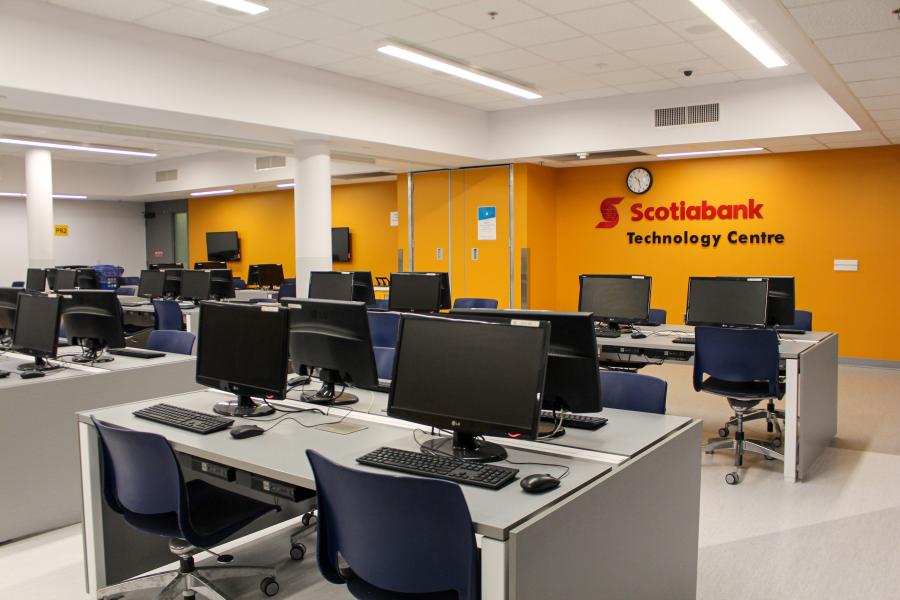
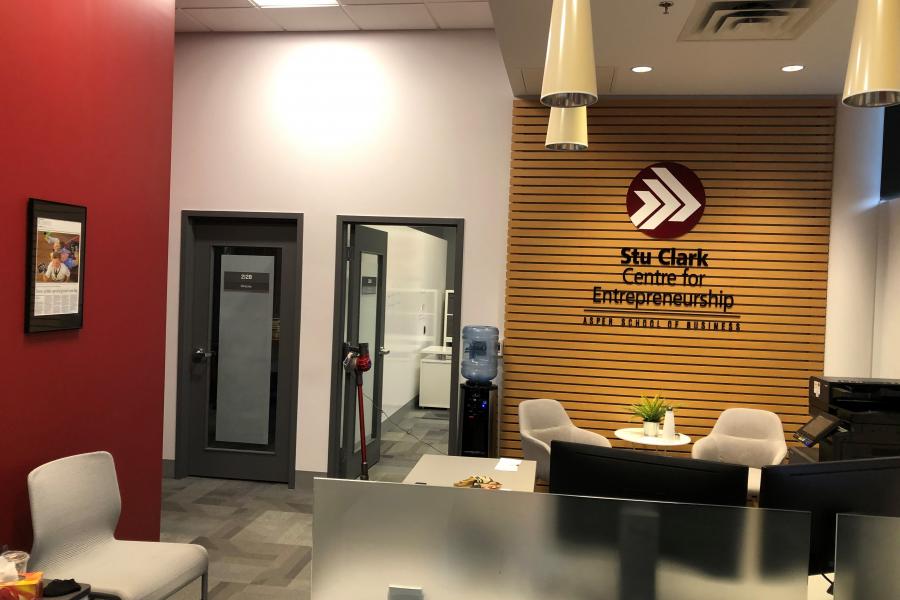
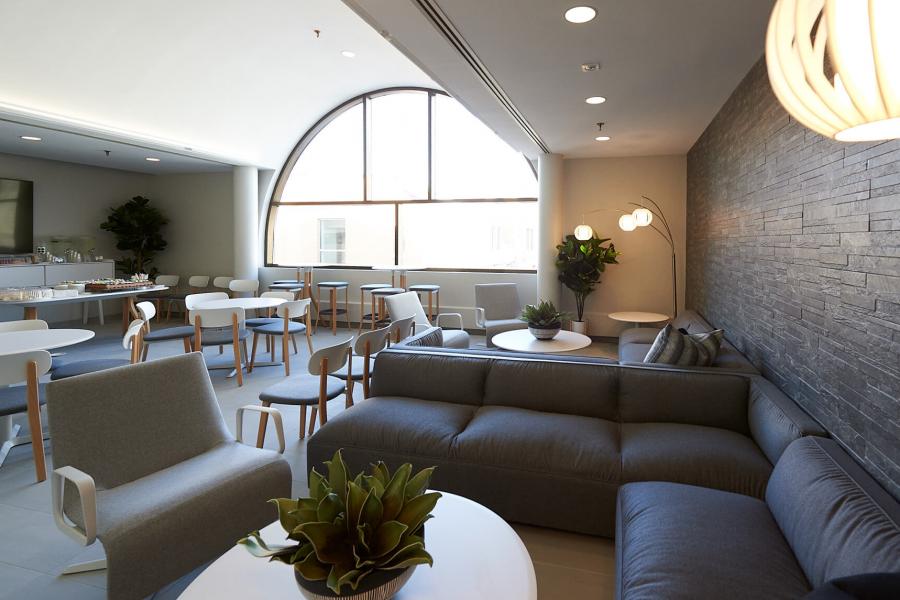
Our spaces


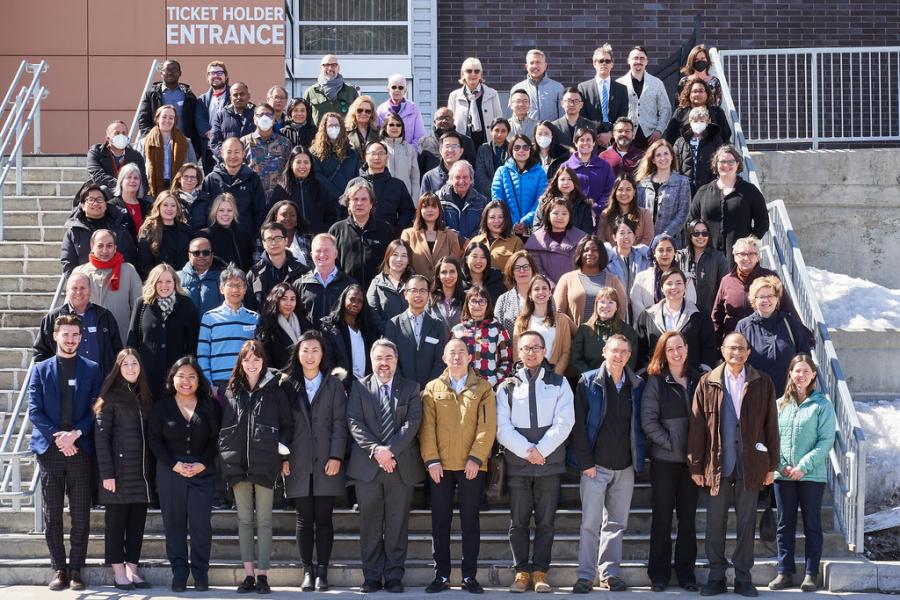
Faculty and staff
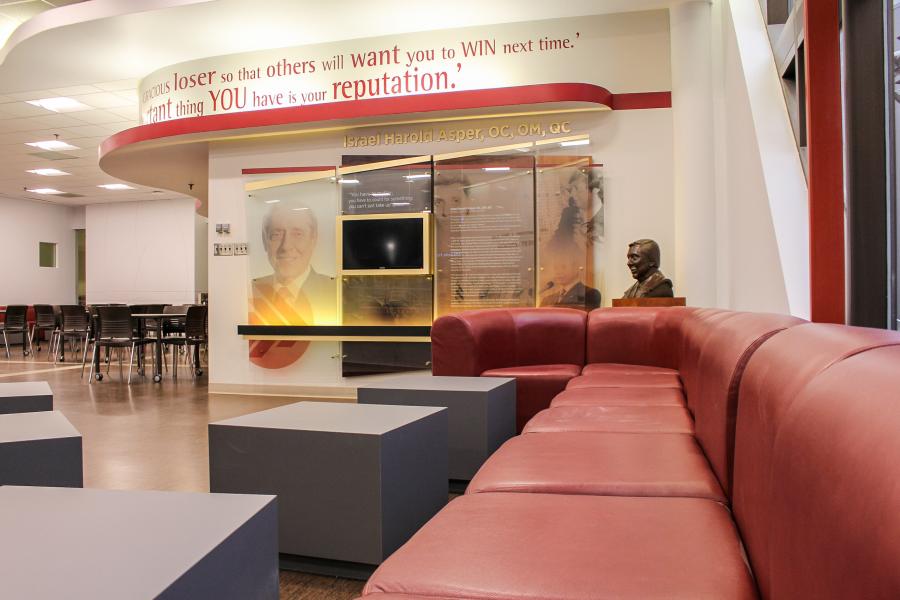
Our benefactor
-
Israel Harold "Izzy" Asper, OC, OM, QC, LLD, PhD
A Manitoba favourite son, Asper gave millions through his foundations to local hospitals, a park, theatre, arts centre, Jewish cultural centre, and the University of Manitoba. Asper was the university’s most generous individual supporter. In 1999, the university received $2 million from Asper to establish the Asper Chair in International Business and Trade Law.
-
With his help, the university also created the Asper Centre for Entrepreneurship and in 2000 and renamed its Faculty of Management the I.H. Asper School of Business, which Asper described as the greatest recognition he had ever received. He also supported programs in Israel and the Jewish-Canadian community and spearheaded plans for the Canadian Museum for Human Rights in Winnipeg. -

Contact us
Asper School of Business
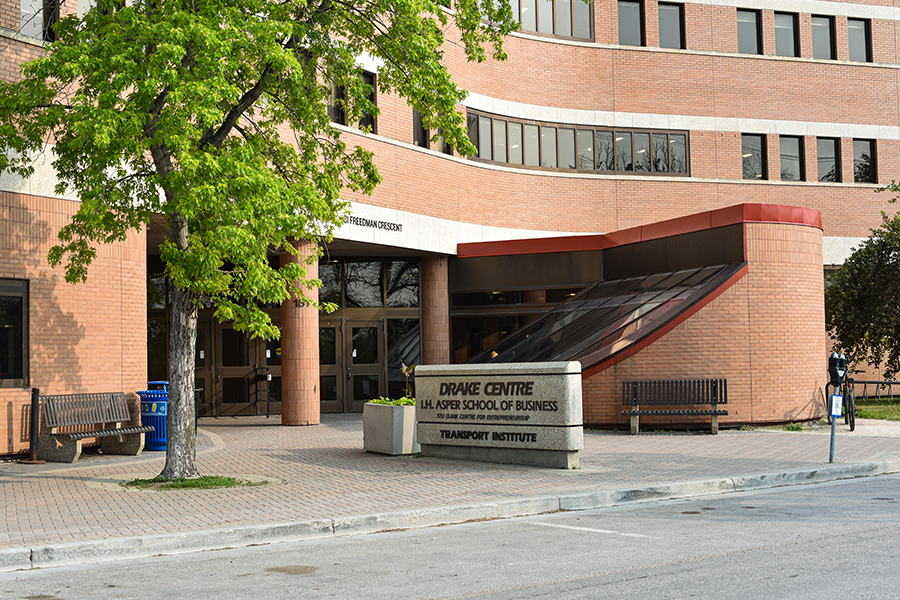
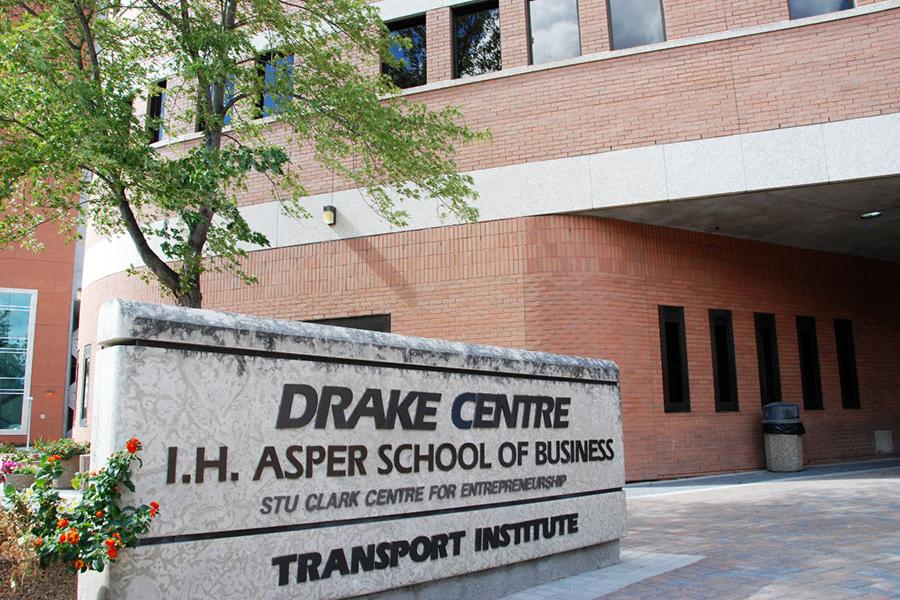
Drake Centre
181 Freedman Crescent
University of Manitoba (Fort Garry campus)
Winnipeg MB R3T 5V4 Canada
Drake Centre hours
Monday - Friday, 7 a.m. - 10 p.m.
Saturday - Sunday, 7:30 a.m. - 6 p.m.
Holiday closures: March 29, May 20, July 1